chris@alfredturbo.com
+86-18112348562
Language
Please Choose Your Language

Views: 38 Author: Site Editor Publish Time: 2026-03-18 Origin: Site


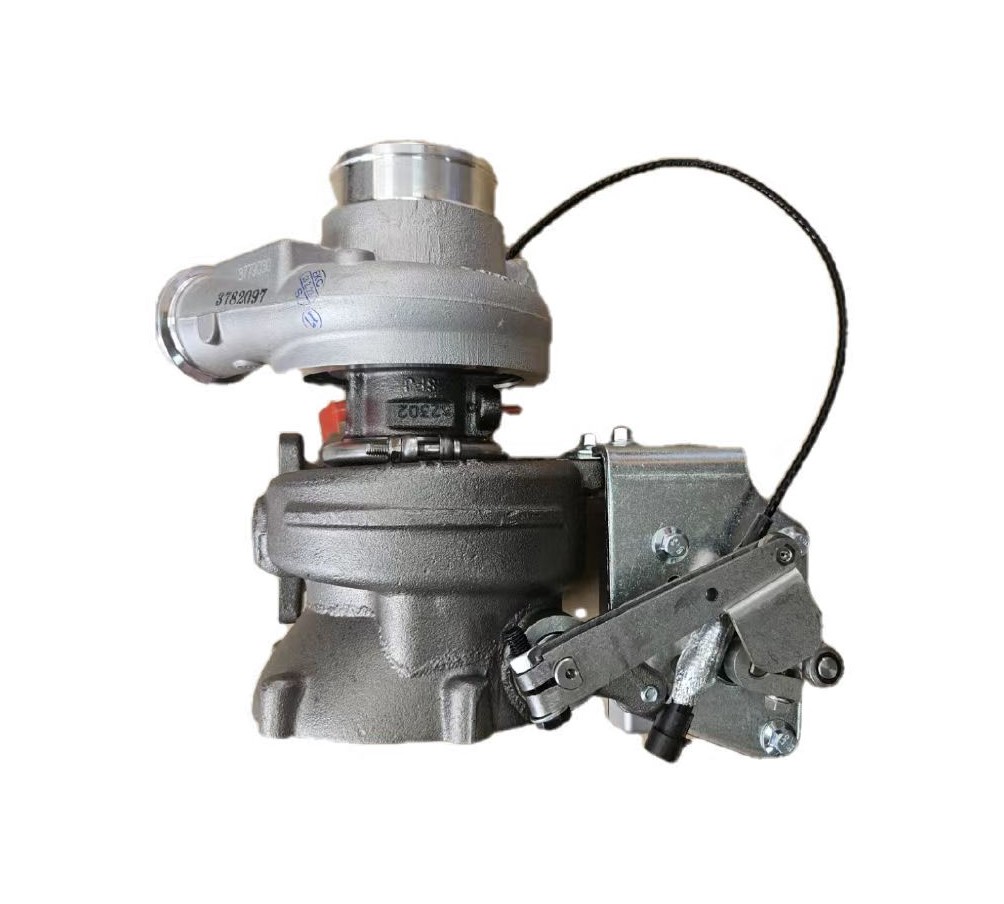
Fellows, anyone who drives a Volvo truck knows that the heart of this vehicle is the engine, and the engine's "vital capacity" relies entirely on the turbocharger. Once this thing breaks down, the truck immediately loses power, climbs hills like a snail, and fuel consumption skyrockets. There are a wide variety of turbochargers on the market, from "small workshop" products that cost a few hundred yuan to "original genuine" ones that cost thousands or even tens of thousands. How do you choose one without wasting money? Today, let's break it down thoroughly and talk about how to pick a reliable "new lung" for our "old buddy".
For a heavy-duty truck like Volvo, the turbocharger is truly the "heart amplifier" of the engine. It's not big, but its role is enormous: whether the power is sufficient, the climbing is strong, the fuel consumption is high, the engine burns oil, or the engine runs stably—all are directly related to it. In reality, many truckers encounter very similar problems: when the turbo breaks down, they go to the service station and find that the original factory price is too high, making a whole trip of goods worthless; if they want to buy an aftermarket part, they are afraid of poor quality, which will lead to oil leakage, abnormal noise, or bearing seizure in a few months; they don't understand the model, so they are afraid of buying the wrong one that can't be installed, causing delays from back and forth; the new turbo breaks down soon after replacement, and they don't know if it's a product problem, an installation problem, or their own usage problem. Today's article will solve these problems one by one, using plain language throughout without any professional jargon—truckers can use it directly after reading.
Replacing a turbocharger is not like changing a light bulb; it can easily cost thousands or even tens of thousands of yuan. Before spending money, we must first confirm if it has really "reached the end of its life", so we won't be fooled by repair shops into replacing parts that are still usable. Many times, it's not the turbo itself that's broken, but small problems that are exaggerated. Learning to judge first before spending money can save us a lot of money.
Turbochargers run at an extremely high speed (up to 300,000 revolutions per minute), so if they break down, there will definitely be obvious noises. We don't need professional tools—just a glance and a listen can tell us the general situation.
* Listen for abnormal noises: If you hear a "rustling" sound like metal friction, or a "hissing" sound of air leakage, it's most likely a problem with the internal bearings or blades, or air leakage in the intake pipe or vacuum pipe. A normal turbo only makes a smooth airflow sound when working; once there is a sharp whistle or metal friction sound, you must be alert.
* Check the exhaust fumes: This is the most intuitive judgment method. If blue smoke comes out of the exhaust pipe, especially when starting or accelerating sharply, it's very likely that the turbocharger is leaking oil, and the oil has entered the engine and burned; if black smoke comes out, it's probably not a problem with the turbo itself, but a pipeline blockage or sensor failure.
* Touch the intake pipe: Open the pipe between the air filter and the turbocharger, shine a flashlight inside, and check for oil stains. If it's greasy, it can basically be determined that the internal oil seal of the turbocharger is damaged, and oil has seeped into the intake system.
Sometimes the truck lacks power, which may not be the fault of the turbocharger, but a blocked intake pipe, a dirty air filter, or a faulty sensor. We must learn to distinguish to avoid wasting money.
* Power test: If the truck feels very "sluggish" when driving, the speed won't go up even when the accelerator is stepped on to the bottom, and climbing hills is particularly strenuous—even requiring several gear shifts to climb up—it may be insufficient boost pressure and reduced turbo efficiency.
* Fuel consumption comparison: If fuel consumption has suddenly increased a lot recently, accompanied by a decrease in power, you should highly suspect that the turbocharger is "slacking off". Under normal circumstances, when the turbo works normally, the power is sufficient and the fuel consumption will remain within a reasonable range; otherwise, it means the turbo may have a problem.
I want to emphasize one thing here: replacing only the turbo without checking the root cause will cause the new turbo to break down soon. Many people find that their new turbo breaks down after two or three months—not because the product is bad, but because the root cause is not found. Before replacing the turbo, you must check these three points first:
* Clean the intake system: The air filter is the first line of defense for the turbo. Dust and sand are the biggest enemies of the turbo impeller. If the air filter is not replaced for a long time, damaged, or not sealed tightly, dust will be directly sucked into the turbo, and the impeller will be damaged in an instant under high-speed rotation. Also check if the intake pipe and intercooler have cracks or blockages.
* Check the oil and lubrication: Volvo turbos run at extremely high speeds and rely heavily on oil for lubrication and cooling. Dirty oil, incorrect oil model, insufficient oil pressure, or blocked oil passages will all directly lead to bearing seizure and turbo scrapping. Before replacing the turbo, it's best to replace the oil and oil filter together.
* Check for pipeline air leakage: If there is air leakage in the intake pipe, vacuum pipe, or intercooler pipeline, it will cause abnormal turbo pressure, frequent opening and closing of the wastegate, and the turbo will work under harsh conditions for a long time, directly halving its service life. Many times, it's not the turbo that's broken, but the aging pipeline that's leaking.
After confirming that the turbo needs to be replaced, the next most troublesome link is: which one to buy? Should you grit your teeth and choose the original factory part, or choose a cheap aftermarket part? There are many tricks here—turbochargersof different prices and types have great differences. Let's explain them one by one and choose according to needs.
Original factory parts are like performing an "organ transplant" for the car, with the highest matching degree. Although they are expensive (usually 30%-50% or more expensive than aftermarket parts), they are actually cost-effective in the long run and suitable for specific groups of people.
* Stable performance: Original factory parts are specially calibrated for Volvo engines, with 100% matching of size, model, and electronic control program. After installation, the power is restored the best, the fuel consumption is the most economical, and there will be no problems such as fault codes or power mismatch.
* Long service life: Original factory parts use high-standard materials and craftsmanship, and can generally be used for more than 3 years, while many inferior aftermarket parts may break down in a year or so, and the cost of repeated replacements is even higher.
* Anti-counterfeiting marks: Original factory parts from regular channels have anti-counterfeiting labels—you can scan them to verify the authenticity, so you can buy with confidence and don't have to worry about buying refurbished or counterfeit goods.
Who is it suitable for: New cars still under warranty, car owners with sufficient budget and pursuing ultimate peace of mind, and special-line fleets with extremely high requirements for vehicle reliability.
If you think the original factory parts are too expensive, or the car is already quite old and you don't want to spend too much money, you can consider "branded parts" from some international big brands. These brands themselves supply supporting parts for Volvo, with guaranteed quality and much lower prices than the original factory—they are the best choice for most truckers.
* Garrett: One of the world's largest turbocharger suppliers, many Volvo trucks use Garrett as the original equipment. The quality of its aftermarket parts is very stable, especially the VNT (Variable Nozzle Turbine) technology for National VI engines, which can effectively improve the "turbo lag" at low speeds and make the power response faster.
* Holset: It is also a veteran in the industry, widely used in heavy-duty trucks, durable and reliable, suitable for many Volvo models, with high cost performance, and deeply recognized by fleets and old truckers.
* BorgWarner: It has strong technical strength and a wide product range, with corresponding aftermarket parts for different displacements and model years of Volvo trucks, stable quality and guaranteed after-sales service.
Who is it suitable for: Vehicles out of warranty, old Volvo trucks, individual car owners, small and medium-sized fleets, truckers who value cost performance and hope to balance "durability + cost saving".
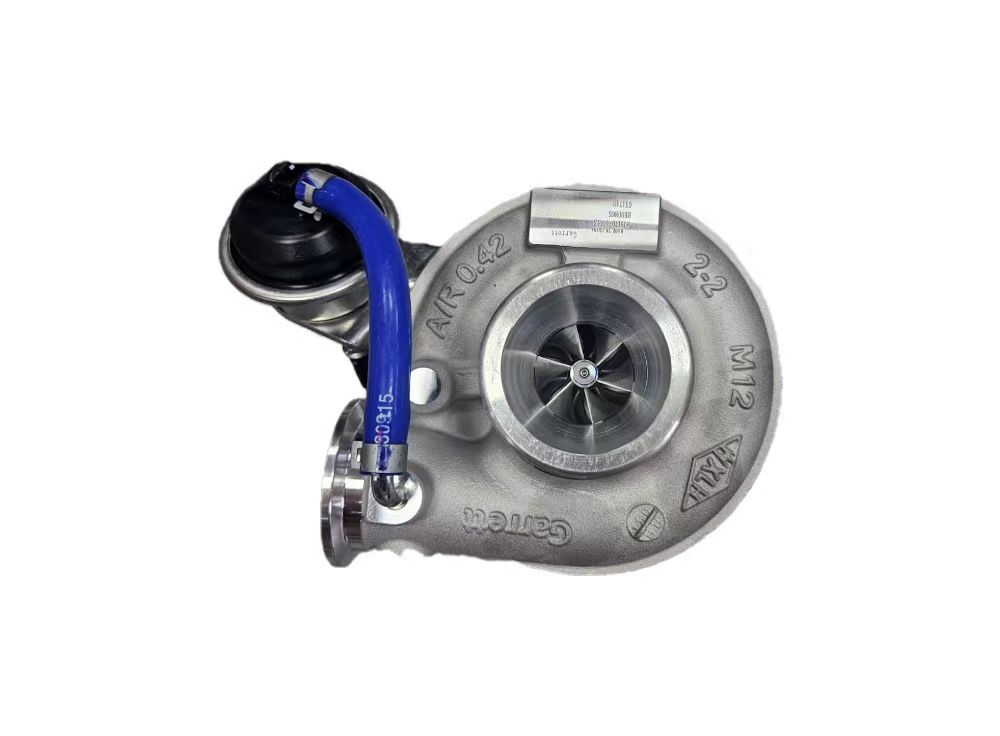
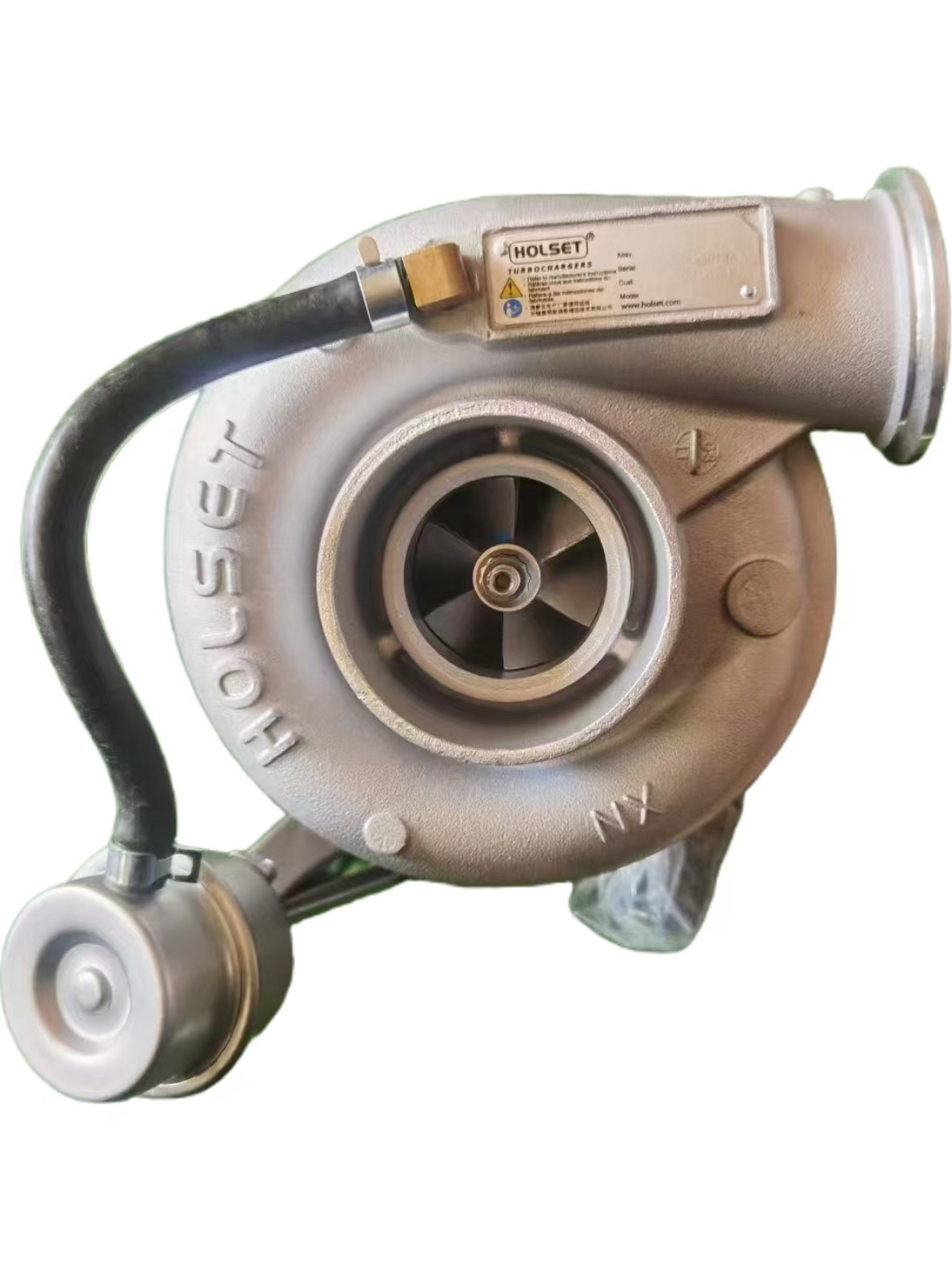
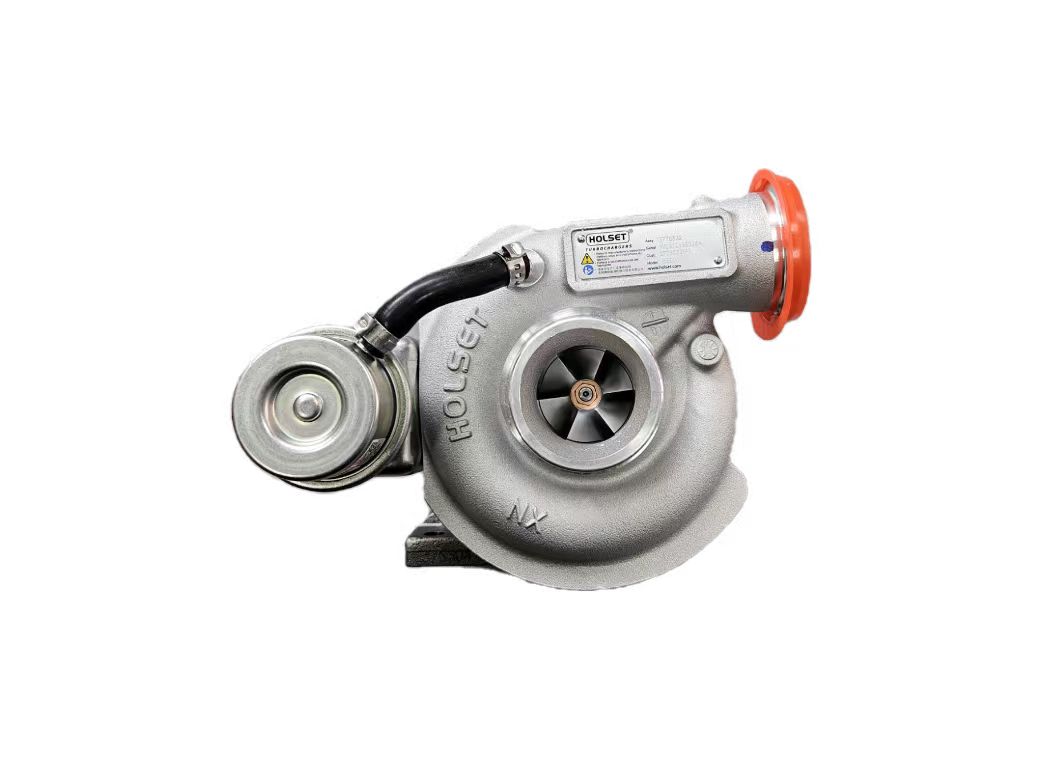
It is recommended that fellows try to avoid aftermarket parts that cost tens or hundreds of yuan. These things look cheap, but they are often "disposable" and easily lead to a chain reaction—eventually, you will be the one who loses.
* Reduced power: Aftermarket parts have insufficient precision. After installation, they may have insufficient pressure, making the truck lack power, or excessive pressure, which will damage the engine, and you will have to spend more money to repair the engine.
* Oil leakage and oil burning: Inferior oil seals and materials are prone to oil leakage, which not only pollutes the environment but also may damage the DPF (Diesel Particulate Filter) at the back. The maintenance cost is very high—even more expensive than buying an original turbo.
* No after-sales guarantee: These aftermarket parts produced by small workshops have no certificate of conformity, no warranty. If they break down, you can only admit bad luck, find no one to take responsibility, delay the truck's operation time, and suffer greater losses.
I'll give you a sincere piece of advice: Volvo is a heavy-duty truck, not a family car. Saving a few hundred or a thousand yuan on the turbo—once it breaks down on the highway or halfway, the towing fee, lost work fee, time limit fine, and cargo damage will add up to ten or even dozens of times more than the turbo. It's really not worth it.
A turbocharger is a precision instrument, and the installation process is even more important than the part itself. Many new turbochargers break down within a few days after installation, often not due to quality problems, but improper installation. We must keep an eye on the installation link and not be careless in every step.
Before installing the new turbocharger, you must find out the "root cause" and clean it thoroughly; otherwise, it's a waste of time to replace it, and the new turbo won't last long.
* Clean the pipelines: The oil and impurities in the intake pipe, intercooler, and oil return pipe must be thoroughly cleaned. If there is still residual oil in the intercooler, when the new turbocharger works, the oil will be sucked in, causing secondary damage—equivalent to the newly replaced turbo being "contaminated".
* Check the oil circuit: The turbocharger is lubricated by the engine oil. If the oil is too dirty or the oil filter is blocked, the new turbo will be burned due to lack of oil. Therefore, when replacing the turbocharger, it's best to replace the oil and oil filter together to ensure the cleanliness and lubrication effect of the oil.
The installation process should not be rushed; it must be careful. Many details can determine the service life of the turbo. We can directly take this part to the repairman and ask him to follow the requirements.
* Lubricate first: Before connecting the oil pipe, pour some clean oil into the oil inlet of the new turbocharger to lubricate the internal bearings first. If you start it dry, the instantaneous high speed will damage the bearings, and the new turbo will be directly scrapped.
* Pipeline sealing: All intake and exhaust pipe interfaces must use new sealing rings or apply sealant to ensure no air leakage. Air leakage will not only lead to insufficient power but also allow dust to enter the turbo, wear the blades, and shorten the turbo's service life.
* Standard operation: Tighten the screws according to the standard torque, do not install violently; the electronic control plug should be inserted tightly and fixed in place to avoid loosening due to vibration, otherwise, electronic control faults will occur and the turbo will not work normally.
After the new turbocharger is installed, you can't pull heavy loads immediately—it needs a "break-in period", just like a new car's break-in. Only after a good break-in can it be used for a long time.
* Idle operation: After starting the engine, let the truck idle for 3-5 minutes to allow the oil to fully circulate to all parts of the turbocharger, fully lubricate the bearings and blades, and do not step on the accelerator hard as soon as it starts.
* Avoid sudden shutdown: After a long trip or heavy load, do not shut down the engine immediately. Because the turbo temperature is very high (up to 700-800℃), sudden shutdown will stop the oil circulation, and the heat cannot be dissipated, which will damage the internal parts. It's best to let the engine idle for 1-2 minutes before shutting down to let the turbo cool down slowly.
* Low-speed break-in: For the first few hundred kilometers, avoid heavy loads and violent driving, let the turbo fully break in, adapt to the engine's working state, and then drive normally.
Although the turbocharger is expensive, it can be used for hundreds of thousands of kilometers with proper maintenance. Instead of spending a lot of money to replace it when it breaks down, it's better to spend a little money on daily maintenance—it's worry-free and cost-saving.
Turbochargers have high speed and high temperature, so they have very strict requirements on oil—never be careless.
* Oil quality: Be sure to use fully synthetic oil that meets Volvo standards. Never use inferior oil, otherwise, it is easy to produce carbon deposits, block the oil passages, and cause turbo damage due to lack of oil.
* Oil change cycle: If you often drive long distances or in poor road conditions, you can appropriately shorten the oil change cycle to keep the oil clean and ensure the turbo is always in a good lubrication state.
Although filters are cheap, they play a great role and are directly related to the service life of the turbo—be sure to replace them regularly.
* Air filter: This is the "mask" of the turbocharger. If the air filter is dirty or broken, dust and impurities will directly enter the turbo, wearing the high-speed rotating blades like sandpaper. Be sure to regularly replace the high-quality air filter; don't ruin the thousands-yuan turbo to save dozens of yuan.
* Oil filter: This is the "kidney" of the turbocharger, responsible for filtering impurities in the oil. If the filter is blocked, the oil cannot pass through, and the turbo will be burned due to lack of oil. Be sure to replace the oil filter synchronously when changing the oil.
Replacing the turbocharger for a Volvo truck is not that complicated—just remember these points: first, judge whether the turbo is really broken to avoid being fooled; when choosing a turbo, give priority to original factory parts or big-brand parts such as Garrett and Holset—although they are a bit expensive, they are worry-free and durable; don't be greedy for cheap and buy inferior aftermarket parts; during installation, be sure to clean the pipelines thoroughly, do a good job in lubrication, operate standardizedly, and keep an eye on every detail; for daily maintenance, use good oil, change filters frequently, and develop good driving habits.
Fellows, the saying "cheap goods are not good, good goods are not cheap" is absolutely true for trucks. Greed for a few hundred yuan of cheapness may eventually cost you thousands of yuan in maintenance fees, and delay the golden time of truck operation. What we want when driving a truck is stability and peace of mind. Choosing the right turbo, installing it well, and maintaining it well can make our Volvo run stably on long trips, earn more money, and repair less.