chris@alfredturbo.com
+86-18112348562
Language
Please Choose Your Language

Views: 2 Author: Alfredturbo Publish Time: 2026-04-20 Origin: Site


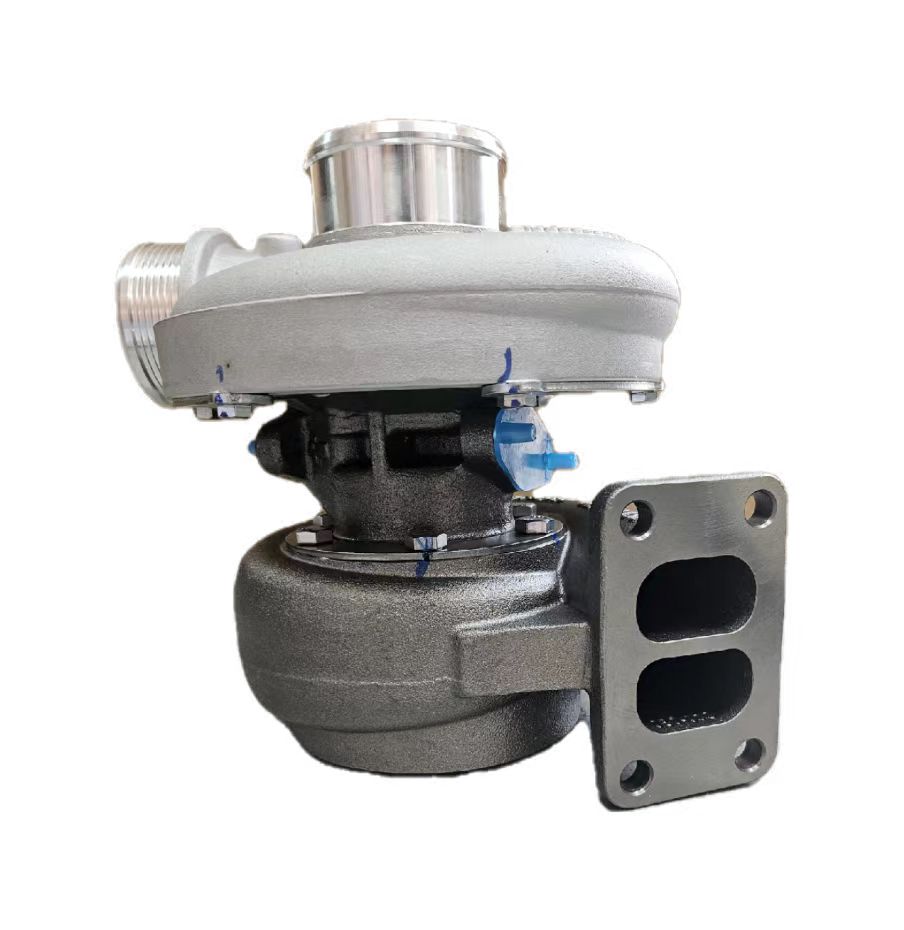
For Mack heavy-duty truck owners and fleet managers, the turbocharger is definitely the "lungs" of the engine, just as important as our truckers' breathing—it can make the truck more powerful and fuel-efficient, and it is indispensable whether you are running long-haul freight, heavy-duty transportation, or mountainous roads. However, many truckers feel anxious when they encounter turbocharger problems: they don’t know whether to repair or replace it, they are afraid of messing it up if they do it themselves, and they are afraid of being cheated if they go to a repair shop; if they want to upgrade performance, they are worried about damaging the engine, violating regulations, and even wasting money without results.
When many truckers find something wrong with the turbocharger, their first reaction is to "replace it with a new one", which is actually unnecessary—some minor problems can be repaired and continue to be used, saving a lot of money compared to buying a new one; but if the damage is serious, forced repair is not only a waste of effort, but may also damage the engine. More importantly, many times insufficient power is not necessarily caused by the turbocharger itself, but may be a problem with its "neighbors". Doing a few checks before taking action can save you a lot of money.
If the following situations occur, it is likely that there is a problem inside the turbocharger (bearings, blades). At this time, judge whether to repair or replace it to avoid blind operation:
If your Mack truck’s turbocharger only has the following minor faults, you don’t need to rush to replace it. Finding a professional mechanic to repair it can restore it to normal, with high cost performance:
First, slight oil leakage or air leakage: If you find a small amount of engine oil traces in the engine compartment while driving, or the power drops slightly but there is no strange noise, it is likely caused by aging turbocharger seals or loose pipelines. In this case, there is no need to replace the turbocharger. You can solve the problem by replacing the seals, tightening the pipelines, and checking the oil level, and the cost is not high. Here is a reminder: regularly check the turbocharger’s pipelines and interfaces at ordinary times, and tighten them in time if they are loose, which can reduce the occurrence of such minor problems and extend the service life of the turbocharger.
Second, severe turbocharger carbon deposition and weakened power: Long-term heavy-duty operation, using low-quality diesel, or insufficient maintenance can easily lead to carbon deposition inside the turbocharger, resulting in poor air intake, reduced power, and increased fuel consumption. In this case, as long as you perform a professional carbon deposition cleaning and replace with high-quality engine oil and air filter, the turbocharger can restore power, saving more than half of the money compared to buying a new one. Key point: Be sure to find an experienced mechanic to clean the carbon deposition. Do not use home remedies yourself, otherwise it may damage the turbocharger blades, which will do more harm than good.
If the turbocharger has the following faults, it means the damage is relatively serious. The maintenance cost is high and the effect is not good. Replacing it with a new one directly is more worry-free, and it can also avoid greater faults in the future:
First, abnormal noise accompanied by blade damage or deformation: In addition to the normal "swooshing" airflow sound, if you hear a metal friction "rustling" sound or a sharp whistling sound, it means the internal blades may be scraping the shell and the bearings are severely worn; if you hear a strange "sizzling" or "clicking" noise in the engine compartment, the power drops suddenly, and even black smoke appears, it is likely that the turbocharger blades are hit by foreign objects, or deformed and broken due to long-term high-temperature aging. In this case, the blades cannot be repaired, and the entire turbocharger can only be replaced, otherwise it will cause uneven air intake of the engine and seriously damage the engine.
Second, severe wear of turbocharger bearings: Turbocharger bearings are core components responsible for driving the blades to rotate. Once severely worn, the turbocharger will rotate unsmoothly with excessive clearance, which is manifested as fluctuating power, rapid oil consumption, and may also be accompanied by blue smoke (engine oil enters the combustion chamber, usually caused by worn turbocharger shaft seals). After the bearings are worn, the maintenance difficulty is high, and the service life after repair is not long. It is better to replace them with new ones directly to avoid frequent problems in the later period and affect the transportation schedule.
Third, cracked or damaged turbocharger housing: If there is a crack in the turbocharger housing, it will cause severe air leakage and oil leakage, and even fail to work normally. In this case, it cannot be repaired, and the turbocharger can only be replaced. In addition, if the turbocharger is frequently faulty after multiple repairs, it is also recommended to replace it directly. The total cost of long-term maintenance is already enough to buy a new one.
Fourth, a sudden drop in power and abnormal supercharging: When climbing or accelerating, you feel the engine is "stuffy", the speed cannot go up, and it is accompanied by abnormal boost pressure gauge readings. It is likely that the turbocharger is severely damaged internally. In this case, it is recommended to replace it directly, and there is little significance in maintenance.
Many so-called "turbocharger failures" are actually caused by the following components. Check these three places first, and you may not need to repair theturbocharger to solve the problem:
If the filter element is blocked, the turbocharger cannot "suck" in air, so there is naturally no power. Many truckers will mistakenly think that the turbocharger is broken. This situation is very simple: first try replacing the air filter. If the power is restored, there is no need to toss the turbocharger, which is both cost-effective and time-saving.
Check the turbocharger’s rubber hoses and clamps. If there are cracks or looseness, the boost pressure will leak, resulting in insufficient power, which looks very similar to a turbocharger failure. You can solve the problem by replacing the damaged pipelines and tightening the clamps, which is much simpler than repairing the turbocharger.
If the exhaust pipe or after-treatment system (DPF/SCR) is blocked, the exhaust gas cannot be discharged, the turbocharger cannot rotate, and there is naturally no power. In this case, the exhaust pipe or after-treatment system needs to be cleaned, and there is no need to replace the turbocharger.
Suggestion: Before disassembling the turbocharger, use a pressure gauge to measure the pressure at the intake and exhaust ends. If the pressure is abnormal and the above pipeline problems are ruled out, then decide to disassemble the turbocharger to avoid unnecessary damage caused by blind disassembly.
Many truckers ask: "Can I replace the Mack turbocharger myself?" The answer is: If you have basic tools, strong hands-on ability, and know the correct steps, you can replace it simply by yourself; if you have no experience, it is recommended to find a professional mechanic to avoid damaging the engine due to incorrect operation. The following practical details are "life-saving" rules that are not often taught in textbooks but are known by experienced mechanics. Whether you do it yourself or find a mechanic, you can have a clear idea.
Before replacing the turbocharger, you must do a good job of preparation, otherwise it is easy to have problems such as failure to install or malfunction after installation, which will delay time and cost money. Focus on these two points:
This is the most critical step! Different models of Mack trucks (such as those equipped with MP7 and MP8 engines) have different specifications of turbochargers. You must choose a turbocharger that is completely compatible with your truck model and engine model. Do not buy the wrong model for cheap—if you buy the wrong one, it cannot be installed; even if it is installed, it will lead to insufficient power, increased fuel consumption, and even damage the engine.
It is recommended that when purchasing, you must provide the model of your Mack truck and the engine model, and place an order only after confirmation; priority should be given to original or reliable aftermarket parts, which have guaranteed quality and are not prone to problems in the later period. At the same time, prepare the required tools and consumables: wrenches, screwdrivers, jacks, rags, as well as new engine oil, seals, and air filters (when replacing the turbocharger, it is recommended to replace these consumables together to avoid old consumables affecting the service life of the new turbocharger). Note: The tools must be complete. For example, choose a wrench of the appropriate size to avoid slipping when tightening bolts and damaging parts; it is best to prepare a torque wrench, which will be used when installing bolts later.
Cleaning is the top priority: New turbochargers are most afraid of metal debris and dust. Before disassembling the old turbocharger, be sure to blow the surrounding area clean with compressed air, and block all openings with clean cloth to prevent dust and debris from entering the engine or the new turbocharger and causing damage.
Check oil quality: If the old turbocharger is scrapped due to bearing wear, you must check if there are metal chips in the engine oil. If there are, you must thoroughly clean the oil pan and oil pipelines, otherwise the new turbocharger will be damaged within a few days after installation, which is not worth the loss. In addition, before replacing the turbocharger, you must let the engine cool down completely (at least 1-2 hours), because the turbocharger is very hot when working, and you will be scalded if you start working directly; you also need to disconnect the negative pole of the battery to avoid short circuit and ensure operational safety.
After the preparation work is done, you can start the replacement. The steps are very simple. The key is to grasp the following "golden details", which determine the service life of the new turbocharger:
First, open the engine compartment and find the turbocharger (usually on the side of the engine, easy to find), then sequentially remove the intake pipe, exhaust pipe, oil pipe and coolant pipe connected to the turbocharger, then use a wrench to unscrew the bolts fixing the turbocharger, and gently take down the old turbocharger. Note: When removing the pipelines, make marks to avoid wrong connection when installing the new turbocharger; keep the removed bolts and parts properly and do not lose them.
After taking down the old turbocharger, use a rag to clean the installation position of the turbocharger, remove carbon deposits and oil traces; at the same time, check the surrounding pipelines and interfaces to see if there are aging or damaged conditions. If there are, replace them by the way to avoid air leakage and oil leakage in the later period.
First, pre-lubrication (the most critical step): The inside of the new turbocharger is dry. After installing the oil pipe, do not start the engine immediately. You should disconnect the ignition system and crank the starter for a few seconds to let the oil pump deliver oil to the turbocharger bearings; or manually inject clean engine oil from the oil inlet. This step can prevent dry friction at the moment of startup and greatly extend the service life of the turbocharger.
Second, bolt torque: The turbocharger connecting bolts of Mack engines have strict torque requirements. Too tight will damage the housing, and too loose will cause air leakage. It is recommended to use a torque wrench and tighten it according to the torque specified by the manufacturer, do not operate by feeling.
Third, replace all gaskets: The gaskets at the intake and exhaust interfaces must be replaced with new ones. Reusing old gaskets is the main cause of air leakage. Do not save money on small things, which will lead to frequent problems in the later period. During installation, apply a small amount of engine oil on the seals to enhance sealing and avoid air leakage and oil leakage.
After installation, add new engine oil, then start the engine and let it idle for 3-5 minutes, observe if there is engine oil or coolant leakage in the engine compartment, and listen for any strange noise to ensure there is no leakage or abnormality.
Many truckers immediately run heavy loads and accelerate sharply after installing a new turbocharger, which is easy to damage the new turbocharger. Be sure to do a good job of running-in:
First, cold start idling: After the first start, let the engine idle for 3-5 minutes, observe for oil or air leakage, allow the engine oil to fully circulate, and preheat the turbocharger.
Second, avoid sudden acceleration: Do not step on the accelerator sharply in the first 50-100 kilometers to allow the bearings and blades to run in naturally; try not to run heavy loads or accelerate sharply in the first 1000 kilometers to allow the turbocharger and engine to adapt slowly and extend the service life.
Third, test run: After the idle operation is normal and running-in for a period of time, drive on the road to test, check if the power is restored, if the fuel consumption has changed, and if there is any abnormal noise. If everything is normal, it means the replacement is successful; if there is a problem, stop the car in time to check if the pipeline is connected incorrectly or the bolts are not tightened.
Whether you replace or repair it yourself or find a mechanic, you must pay attention to the following points, otherwise it is easy to cause turbocharger damage and engine failure:
1. Before installing a new turbocharger, be sure to check the appearance for damage or missing parts to avoid installing a turbocharger with quality problems;
2. After replacing the turbocharger, be sure to replace the engine oil and air filter in time to avoid impurities in the old engine oil damaging the new turbocharger;
3. When repairing the turbocharger, be sure to find an experienced professional mechanic, especially for internal turbocharger faults. Do not disassemble it blindly yourself, otherwise it will get worse;
4. The repaired turbocharger should also be test-run according to the running-in requirements of the new turbocharger to avoid heavy loads too early.
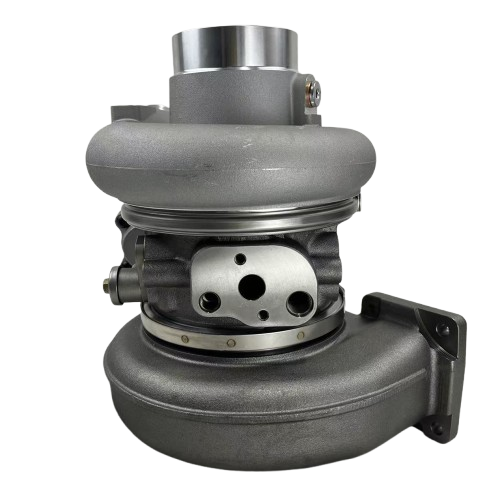
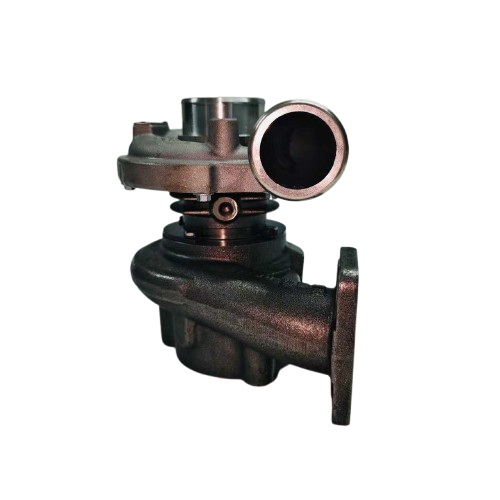
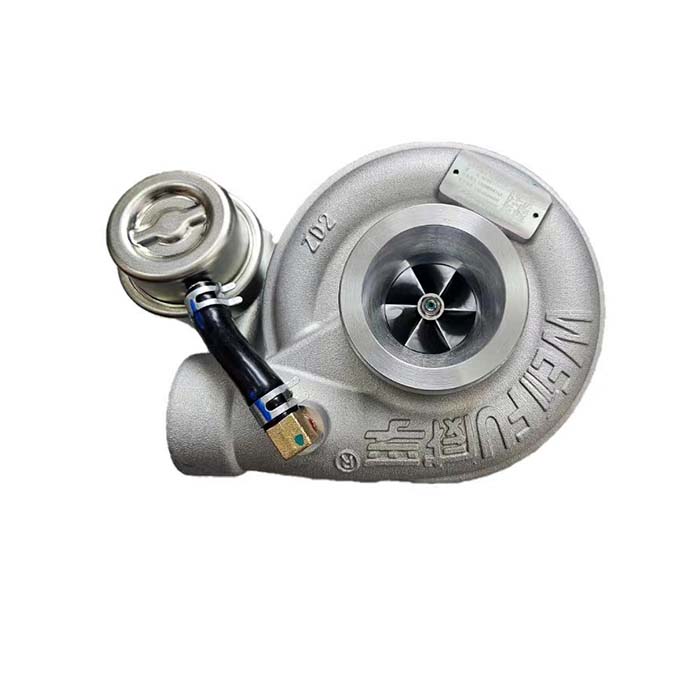
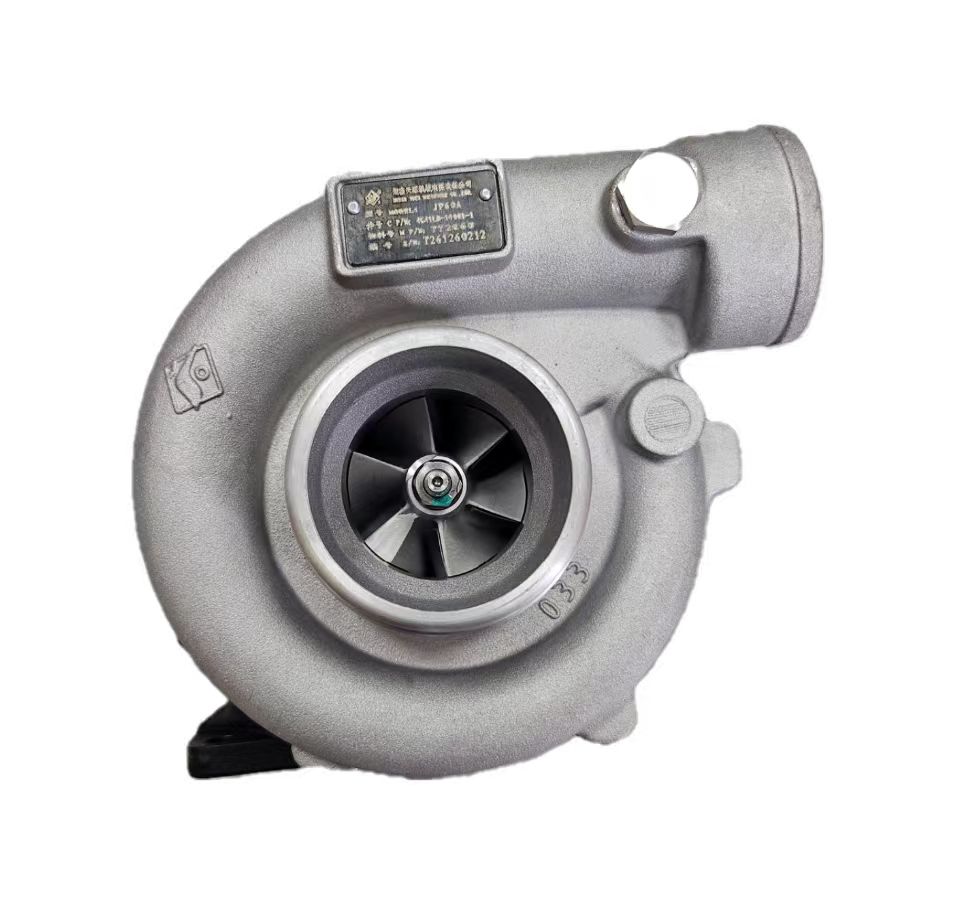
Many truckers think that turbocharger performance upgrade is "the more powerful the better", which is actually not the case. For common engines such as the Mack MP8, a simple turbocharger upgrade can bring a significant torque increase, especially for heavy-duty climbing scenarios. However, it is necessary to combine your own usage scenario for moderate upgrade, not only to improve power, but also to protect the engine and comply with relevant regulations, otherwise the upgrade will be useless, and may even lead to penalties and engine damage. Below, we will clearly explain how to scientifically and moderately upgrade turbocharger performance.
Not all truckers need to upgrade turbocharger performance. First, look at your own usage scenario, then decide whether to upgrade:
If you only run ordinary freight and the power is sufficient, there is no need to upgrade; if you often run heavy loads, mountain roads and the power is insufficient, or often run in high-altitude areas (needing to compensate for power loss caused by high-altitude oxygen deficiency), or want to improve fuel economy, you can consider moderate upgrade.
Key point: When upgrading turbocharger performance, it must be based on "protecting the engine". Do not blindly pursue high power, otherwise it will cause excessive engine load and shorten the engine service life.
Many truckers are confused about the use of upgrading the turbocharger. In fact, the benefits are very practical, mainly 3 points:
In order to balance durability and cost, the original turbocharger often has slow response at low speeds (turbo lag), making the engine feel "weak" when starting and climbing. Upgrading to a high-flow turbocharger can improve this situation, making you more powerful when starting and climbing, and improving transportation efficiency.
More efficient supercharging means more sufficient combustion. Under the same power, the upgraded turbocharger can make fuel burn more thoroughly, which may be more fuel-efficient, saving a lot of fuel costs in the long run.
For vehicles that often run in mountainous and high-altitude areas, thin air will lead to insufficient turbocharger air intake and serious power attenuation. Upgrading the turbocharger can compensate for the power loss caused by high-altitude oxygen deficiency, allowing the vehicle to maintain sufficient power in high-altitude areas.
The turbocharger performance upgrade of Mack trucks does not require complex modifications. There are mainly 2 simple, practical and cost-effective plans, suitable for most truckers, which can be selected according to their own needs and budget:
Replace core components (such as a larger compressor impeller) while retaining the original housing and actuator. This plan has low cost, suitable for truckers who want to improve mid-range torque, enhance starting and climbing power, and do not want to spend too much money. Moreover, it does not require major modifications and has little impact on the engine.
Replace the entire turbocharger assembly, and upgrade the intercooler and intake and exhaust pipelines. This is to pursue maximum horsepower, suitable for truckers who often run heavy loads and have high power requirements. It usually needs to be combined with ECU (computer program) flashing to fully release performance.
Turbocharger performance upgrade seems simple, but there are many pits. Truckers must pay attention to avoid problems after upgrade, wasting money and damaging the engine:
Not all large turbochargers can be installed. It is necessary to confirm that the interface of the new turbocharger (especially the oil pipe interface) and the mounting seat are completely compatible with your Mack engine (such as MP7, MP8), otherwise it cannot be installed and may even damage the engine.
After replacing with a large turbocharger, the exhaust gas flow increases. If the original exhaust pipe is too thin, or the exhaust pipe and after-treatment system are blocked, it will instead limit performance and increase the turbocharger load. It is recommended to check whether the exhaust system is unobstructed when upgrading the turbocharger, and optimize it moderately if necessary.
If you only replace the hardware without tuning the computer, the engine may not recognize the new boost pressure, leading to fault codes or failure to fully release performance. It is recommended to find a professional diesel tuning service provider to perform ECU flashing together with hardware upgrade to ensure normal performance and protect the engine.
Turbocharger upgrade involves intake, exhaust, control and other aspects, requiring professional technology and tools. Novices should not do it themselves. It is recommended to find an experienced professional mechanic to ensure the upgrade effect and avoid engine damage due to incorrect operation. In addition, do not over-modify when optimizing the exhaust system, otherwise it will violate relevant regulations and be punished by the traffic police; it is recommended to choose exhaust accessories that meet national standards and optimize moderately.
In fact, many turbocharger faults of Mack trucks are caused by insufficient daily maintenance. Turbochargers are afraid of dirt, heat and lack of oil. Doing these three key steps can make you go to the repair shop less, make the turbocharger last longer, and save money with small investments. The following maintenance tips are simple and easy to operate, and truckers can pay more attention to them at ordinary times.
The turbocharger speed is as high as 100,000 revolutions per minute, which has extremely high requirements on engine oil cleanliness. The quality of engine oil directly determines the service life of the turbocharger, so it must be taken seriously:
For the turbocharger of Mack trucks, it is recommended to use the engine oil of the model recommended by the manufacturer. Do not buy low-quality engine oil for cheap—low-quality engine oil has poor lubrication effect and is easy to deteriorate at high temperatures, which will seriously damage the turbocharger and engine. In addition, try to choose fully synthetic engine oil, which has better lubrication effect, can better protect turbocharger bearings and blades, and adapt to the high-temperature and high-speed working environment of the turbocharger.
Be sure to change the oil in strict accordance with Mack’s maintenance cycle, do not delay. Under normal circumstances, the engine oil and oil filter need to be replaced every 10,000-15,000 kilometers; if you often run heavy loads, mountain roads, or often drive in high-temperature environments, it is recommended to shorten the replacement cycle to every 8,000-10,000 kilometers.
Each time you change the oil, you should also check if there are metal powder or thinning in the old oil, which is an early signal of bearing wear. If a problem is found, check the turbocharger in time to avoid expanding the fault.
Many truckers have bad driving habits, which seem trivial but can seriously damage the turbocharger. They must be corrected:
After the vehicle is parked overnight, the engine oil has flowed back to the oil pan, and the inside of the turbocharger is in a state of lack of oil. After starting the engine, do not accelerate sharply immediately. First, let the engine idle for 1-2 minutes to allow the engine oil to fully circulate to all parts of the turbocharger, preheat the turbocharger, and avoid wear of the turbocharger due to lack of lubrication during cold start.
After running at high speed or heavy load, the turbocharger temperature is extremely high (up to several hundred degrees Celsius). If the engine is turned off immediately, the engine oil circulation will stop, and the heat of the turbocharger cannot be dissipated, which will cause the engine oil to coke (turn into carbon deposits) at high temperatures, block the oil passage, and seriously damage the turbocharger bearings and blades. It is recommended to let the engine idle for 2-3 minutes to cool down the turbocharger before parking, then turn off the engine.
Checking more at ordinary times can find small problems of the turbocharger in time, avoiding small problems from becoming big faults. It is recommended to do these 2 points:
Open the engine hood every week to check if there are oil stains around the turbocharger, and touch the inner wall of the intake pipe to see if there is engine oil (this is a sign of oil leakage); at the same time, check the turbocharger’s pipelines and clamps for looseness or damage, and deal with problems in time if found.
Familiarize yourself with the normal working sound of your vehicle’s turbocharger (usually a "swooshing" airflow sound). Once the sound changes, such as a "rustling" sound, sharp whistling sound or "clicking" sound, stop the car immediately to check and do not continue driving to avoid expanding the fault.
Long-term heavy-duty operation, using low-quality diesel, or insufficient maintenance can lead to a lot of carbon deposits inside the turbocharger and intake pipelines, resulting in poor air intake, reduced power, increased fuel consumption, and even damage to the turbocharger blades. It is recommended that everyone: clean the turbocharger carbon deposits every 20,000 kilometers; when refueling diesel, choose high-quality diesel from regular gas stations, and you can also add fuel injector cleaner regularly to reduce carbon deposits.
Although the turbocharger of Mack trucks is precision, as long as you understand its working principle and master the skills of judgment, replacement, repair and upgrade, maintenance and repair are not mysterious. Remember that clean engine oil and air are the secrets of its long life. Only through moderate upgrade and scientific maintenance can the turbocharger be both "powerful" and "durable".
In fact, the core of replacing, repairing and upgrading the turbocharger of Mack trucks is 3 points: first, learn to judge, distinguish between "false faults" and turbocharger本体 faults, and decide whether to repair or replace to avoid wasting money; second, do a good job in daily maintenance, regularly change engine oil, check pipelines, and develop good habits to make the turbocharger have fewer problems; third, upgrade moderately, combine your own usage scenario, do not blindly pursue high power, and protect the engine.
It is hoped that this integrated guide can help every Mack truck owner and fleet manager. Whether you encounter turbocharger faults or want to upgrade performance, you can refer to this article to avoid detours and save costs. If you have any other questions, welcome to discuss with us.