chris@alfredturbo.com
+86-18112348562
Language
Please Choose Your Language

Views: 11 Author: Alfredturbo Publish Time: 2026-04-27 Origin: Site


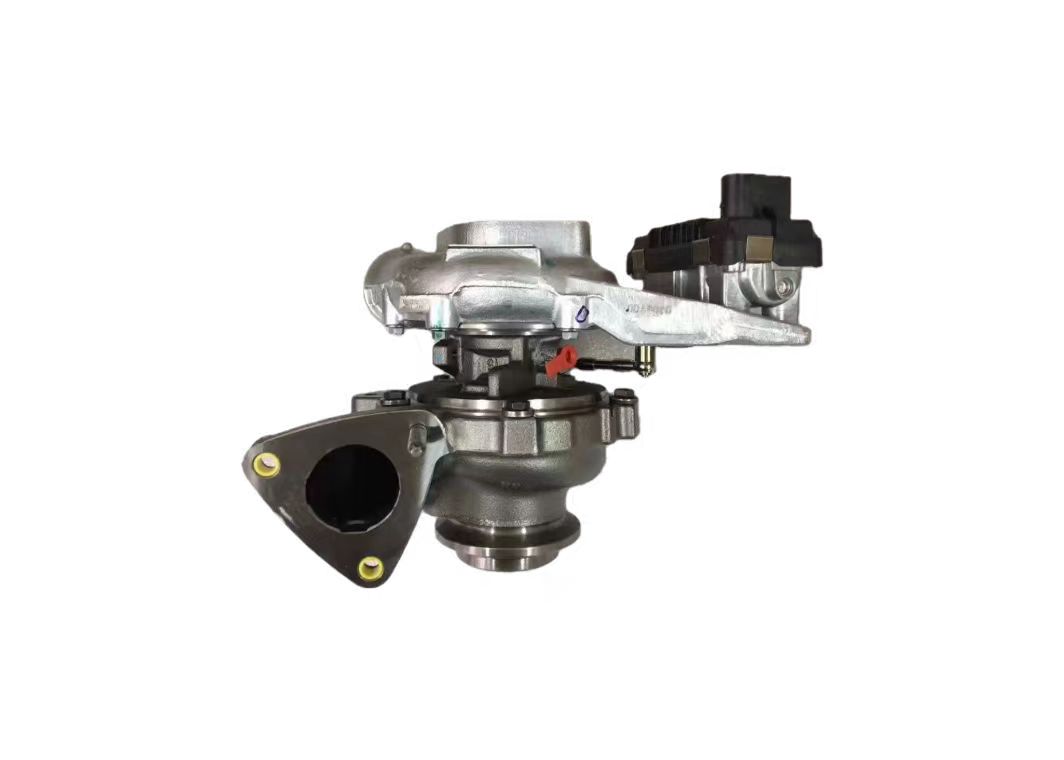
Today, let's talk about the topic of "truck turbo for vehicles". You may have seen many posts about truck modifications online, or heard friends say "change a turbo, and the horsepower will double immediately". Sounds tempting, right? After all, for many truck drivers and car owners, increasing power means more efficient transportation, easier climbing, and even a more "cool" driving experience. But is it really that simple? A simple turbo modification involves a lot of things behind it — from compatibility to performance, and even the modification risks you may not have thought of. Every link needs careful consideration.
Many people think that a turbo is just a "supercharging device", and there's no difference between a truck's and a car's. In fact, that's not the case. The difference between the two is huge, just like a large truck's tire can't be directly installed on a car. It's not a size issue, but their "temperament" and "purpose" are fundamentally different.
What's the core demand of a truck? It's to haul heavy goods and run long distances. So the design of a truck turbo prioritizes "large torque, durability, and sturdiness". Whether it's empty or fully loaded, it must output power stably. Even at low speeds, it must have enough power to pull dozens of tons of goods. This completely matches the usage scenarios of the long-distance freight trucks and engineering vehicles we usually see — they need continuous and stable power support and can't break down halfway.
In contrast, the design purpose of an ordinary passenger car turbo is to "balance daily commuting and occasional performance needs". It must be fuel-efficient and smooth, and have power when you step on the gas pedal, adapting to frequent starts and stops on urban roads. It doesn't need to "bear" heavy loads like a truck turbo. Simply put, a truck turbo is a "hardworking strong man", and a car turbo is a "flexible and agile young man". Their "working styles" are completely incompatible, which is the core reason why they can't be randomly interchanged.
You don't need to remember complex parameter terms here. Let's just talk about two of the most intuitive ones: first, "size", and second, "boost pressure". These are the two most important points buyers need to pay attention to when purchasing.
Truck turbos are generally larger in size than car turbos because they need to provide supercharging for large-displacement diesel engines. A small size simply can't meet the power demand; while passenger car engines have small displacements, installing a large truck turbo is like "a small horse pulling a big cart" — it can't drive it at all. In addition, the boost pressure setting of a truck turbo is designed for diesel engines, which can withstand much higher pressure than gasoline engines of passenger cars. If the boost pressure of a truck turbo is directly used on a gasoline engine, the engine will easily "can't stand it" and break down.
First, we need to understand a truth: not all turbos are suitable for your vehicle (whether it's a truck or a passenger car). It's like wearing shoes — no matter how expensive the shoes are, they will rub your feet if the size is wrong. Compatibility is the most basic and crucial step. If you make a mistake here, everything else may be in vain.
You may ask: "Isn't it just a turbo? Can't we just install it?" Actually, it's not that simple. There are many types of trucks, such as heavy-duty freight trucks, medium-sized engineering vehicles, and even some special vehicles. Their designs, engine models, and usage environments are different; passenger cars are also divided into large-displacement, small-displacement, gasoline versions, and diesel versions, with different compatibility requirements. The working method of the turbo is closely matched with the engine. If you randomly choose one, it may lead to mismatches, such as:
- Uncoordinated power: If the turbo is too large, the engine "can't stand it", which will instead lead to low-speed weakness; if the turbo is too small, it won't work at high speeds. Whether it's a truck hauling goods or a passenger car commuting, it will be very awkward.
- Difficult installation: If the size or interface is incorrect, it can't be installed at all, or it needs major modifications, increasing additional costs. Especially for foreign trade customers, high modification costs are likely to cause disputes.
- Shortened service life: A mismatched turbo will accelerate engine wear and even cause failures. Neither car owners nor foreign trade customers want to see the situation of "breaking down just after installation".
Therefore, compatibility is not a trivial matter. It is directly related to whether the vehicle can run normally and efficiently. Ignoring this point may end up being a waste of money and trouble.
Then how do you know if a turbo is suitable for your vehicle? Don't worry, we can start with several simple and easy-to-check aspects.
This is the most basic step. Every vehicle (truck, passenger car) has a clear vehicle model and engine model, such as brand, displacement, horsepower, etc. Before purchasing a turbo, first figure out this information. Usually, regular turbo products will indicate the applicable vehicle range, which you can directly compare. If you're not sure, ask the seller or manufacturer, and they should be able to give suggestions.
Here, we need to remind you that when recommending to customers, you must first ask clearly about the customer's vehicle model, displacement, and usage scenario. For example, whether the customer is hauling goods with a heavy-duty truck or commuting with a passenger car, recommend the corresponding turbo model. Remember, don't believe the publicity of "universal type". Try to find a special model for a specific vehicle, which can greatly reduce the risk of incompatible failure.
For example, large-displacement passenger cars above 2.0L and diesel passenger cars have higher compatibility; while small-displacement gasoline cars below 1.5L are not recommended to install truck turbos, to avoid problems after customers modify them.
A turbo doesn't work independently. It needs to be connected to the engine's intake and exhaust system, lubrication system, etc. Therefore, the matching of the interface is very important. Check whether the installation position, bolt holes, and pipe diameter of the turbo are consistent with the vehicle. If the size is a little off, additional adapters or modifications may be needed, which is not only troublesome but also may affect the sealing, leading to oil leakage and air leakage later.
The most worry-free method is to find original factory or verified compatible accessories. Foreign trade sellers can also focus on such accessories when stocking to reduce after-sales problems. For example, a turbo suitable for light trucks below 4.0L has good compatibility when installed on a passenger car of 2.0L-3.0L; if you choose a large turbo suitable for heavy trucks and install it on a passenger car, not only the power can't keep up, but also the engine will overheat and fuel consumption will soar.
What is the vehicle mainly used for? Is it a truck for long-distance highway transportation, or for heavy-duty climbing on construction sites? Is it a passenger car for daily commuting, or for occasional off-road hauling? Different usage scenarios have different requirements for turbos. For example:
- Long-distance highway (truck/passenger car): You may need a turbo that focuses on high-speed response to improve fuel economy, which is suitable for customers who often run long distances.
- Heavy-duty climbing (truck/SUV): You may need a turbo that emphasizes low-speed torque to ensure strong starting and climbing, which is also the core demand of many truck drivers.
Understand your own needs, or the usage scenario of foreign trade customers, and then choose the corresponding turbo type, so that you can maximize the effect. With the right compatibility, you can lay a good foundation for the subsequent performance improvement and reduce many unnecessary troubles.
Some vehicles are inherently unsuitable for installing truck turbos. Whether it's customer consultation or your own modification, you should avoid them to avoid wasting money and damaging the vehicle. Foreign trade sellers should remember this even more to avoid recommending the wrong model.
First, small-displacement gasoline cars below 1.5L have fragile engine structures and can't withstand the pressure of truck turbos. After installation, it's easy to have engine cylinder scuffing and oil burning problems; second, old vehicles (vehicle age over 8 years) have worn engines themselves, and installing a turbo will accelerate engine aging and lead to frequent failures later; third, hybrid vehicles have their own power assistance from the hybrid system. Installing a truck turbo is not only unnecessary but also will damage the original power balance of the vehicle and even affect the normal work of the hybrid system; fourth, small passenger cars are originally designed for urban commuting and don't need the large power of truck turbos. Forced modification will only be counterproductive.
Okay, assuming you have found a compatible turbo, the next thing you are most concerned about is: how "powerful" can your vehicle become after modification? Performance is the original intention of many people to modify, and it is also the most concerned selling point for foreign trade customers. But we need to look at it rationally — it's not just about horsepower improvement, but also involves driving experience, fuel consumption, and other aspects. We can't be deceived by the publicity of "doubling horsepower".
Replacing a suitable turbo can usually bring several obvious changes. These are not empty words, but the effects experienced by many car owners. Foreign trade sellers can directly share them with customers to increase persuasiveness.
This is the most direct effect. The turbo compresses more air into the engine, making combustion more sufficient, thereby increasing horsepower and torque. Simply put, the vehicle becomes more powerful. You will find:
- Faster acceleration: It's easier for trucks to overtake and passenger cars to start, no longer "sluggish". Especially when trucks are hauling goods, starting and accelerating are no longer strenuous.
- Stronger climbing: Facing steep slopes or heavy loads, there's no need to step on the gas pedal hard. Trucks can easily climb slopes with heavy loads, and passenger cars are more confident when off-roading.
- More stable at high speeds: When cruising on the highway, there is more power reserve, making driving more confident. Trucks can also be more efficient when running long distances, reducing the situation of insufficient power halfway.
Generally speaking, it's common for power to increase by 20%-30% after modification, depending on the matching degree between the turbo and the engine. But don't expect the myth of doubling — that usually requires overall major modifications, which is unrealistic. Foreign trade sellers should also explain truthfully when introducing to customers to avoid disputes caused by exaggerated publicity.
You may think: "If the power is stronger, the fuel consumption will definitely soar, right?" Not necessarily. In fact, a good turbo modification may instead save fuel. Because:
- Higher efficiency: The turbo makes the engine work more efficiently under the same output, reducing energy waste. This advantage is more obvious especially when trucks run long distances.
- Changed driving habits: With sufficient power, you may not need to step on the gas pedal frequently, so fuel consumption naturally decreases. For example, when a truck is hauling goods, there's no need to step on the gas pedal hard all the time. The power is available on demand, and fuel consumption is instead reduced.
Of course, if you always race, fuel consumption will definitely increase. But under normal driving, many car owners report that fuel consumption on long distances has decreased. However, this varies from vehicle to vehicle and is not absolute. Foreign trade sellers should explain this to customers in advance to avoid misunderstandings.
In addition to hard indicators, driving experience is also very important. After modification, the response of trucks and passenger cars may be more sensitive, and the noise may be lower (depending on the turbo type), making the overall driving more comfortable. Especially for long-distance drivers, a good driving experience can reduce fatigue and improve work efficiency; for passenger car owners, they can also get better driving pleasure.
However, performance improvement is not unlimited. We need to avoid some common misunderstandings. Whether it's car owners modifying themselves or foreign trade sellers explaining to customers, they should avoid these pitfalls and not be deceived by exaggerated publicity.
Some people think that the bigger the turbo, the stronger the power, so they choose an overly large model. This may lead to "turbo lag" — the turbo doesn't start at low speeds, and the vehicle is instead weak. It's not until the speed increases that the power suddenly bursts out, making driving like a "roller coaster" and difficult to control. Especially when trucks are hauling goods, this situation is very dangerous. Therefore, balance is very important. Choosing the right size for your engine is the key.
A turbo is not a lone hero. It needs the cooperation of "teammates" such as the engine, gearbox, and cooling system. If the engine is old, or the gearbox can't withstand greater torque, blindly modifying the turbo may be counterproductive and even damage other parts. For example, if the engine of a truck is already worn, installing a large turbo will accelerate engine aging and lead to frequent failures; if the cooling system of a passenger car can't keep up, the engine will overheat.
Before modification, it's best to evaluate the overall vehicle condition and upgrade relevant components if necessary. Foreign trade sellers can also remind customers when recommending, according to their own vehicle condition, consider whether it is necessary to upgrade the cooling system, oil system, etc. synchronously to improve modification effect and reduce later failures.
Let's give you a few real cases for reference. Whether it's your own modification or explaining to foreign trade customers, it's more persuasive.
Case 1: A 2.8L diesel SUV installed a light truck turbo. The power increased by about 30%, the low-speed start was more powerful, the high-speed overtaking was very easy, the long-distance fuel consumption decreased by 0.5-1 L/100km, but the urban fuel consumption increased by about 1 L/100km, and the noise increased slightly.
Case 2: A 2.0L gasoline car installed a small truck turbo. The power increased by about 25%, the start was not sluggish, but the urban fuel consumption increased by 1.5 L/100km, the noise was much louder than the original car, and the comfort decreased.
Case 3: A 1.6L gasoline small car was forced to install a truck turbo. The power improvement was not obvious, but instead, there were problems of engine overheating and soaring fuel consumption. It was removed after half a month, which was a waste of money.
Case 4: A heavy-duty freight truck was equipped with a corresponding truck turbo. The power increased by 28%, making hauling and climbing easier. The long-distance fuel consumption decreased by 1-1.5 L/100km, which greatly improved transportation efficiency, and the car owner's feedback was very good.
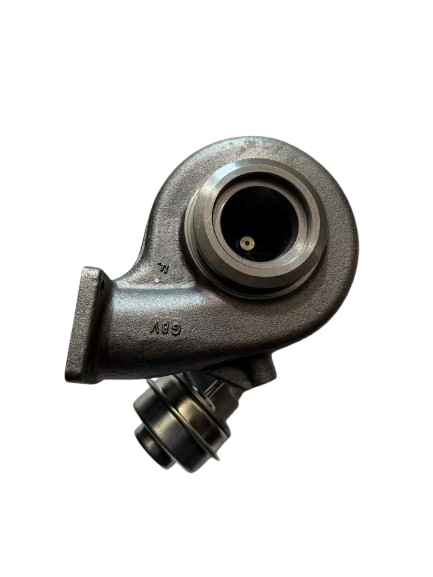
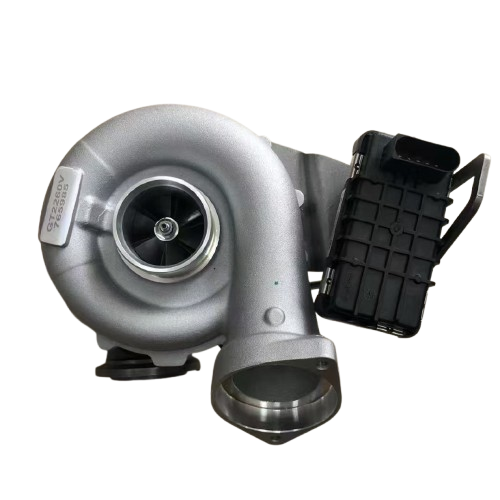
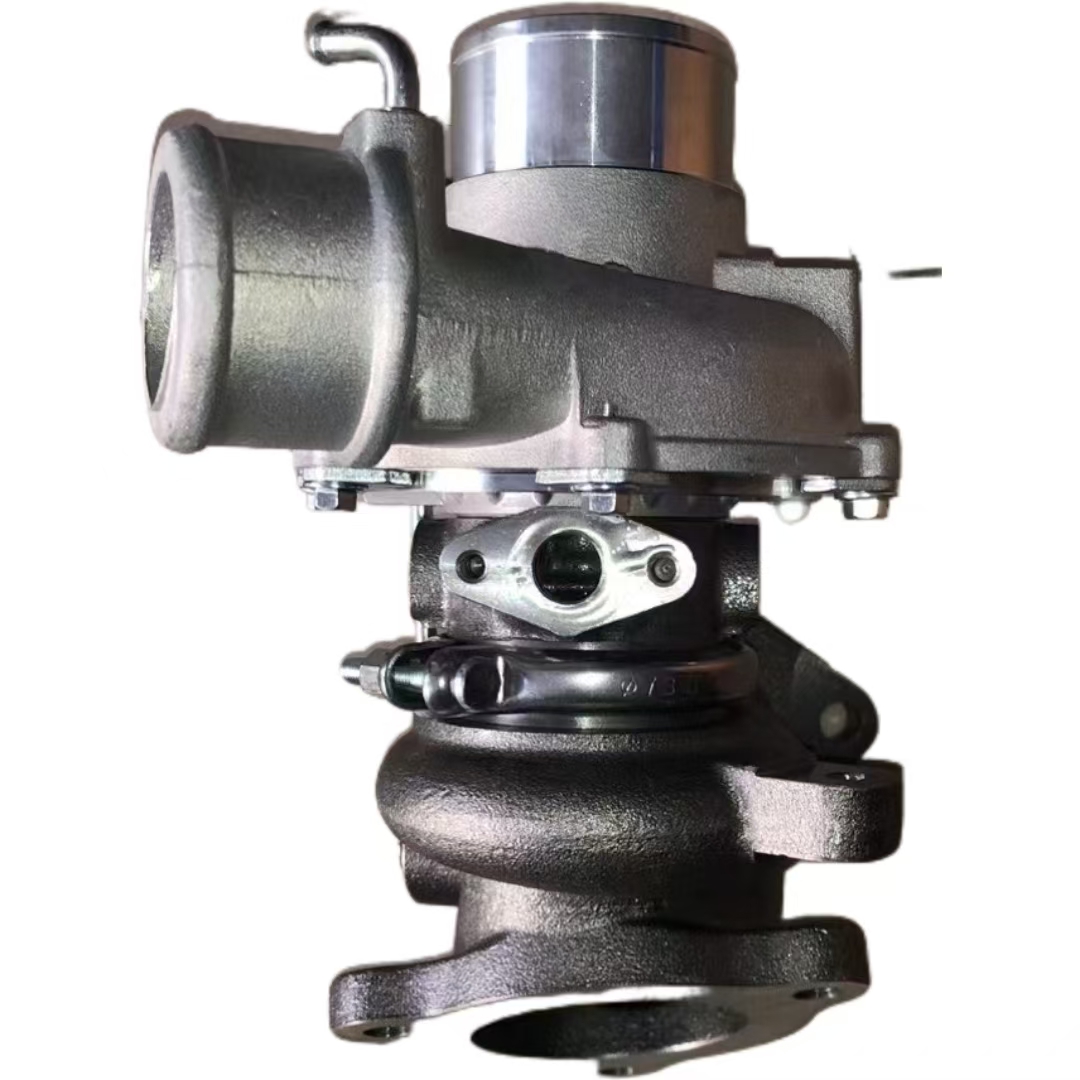
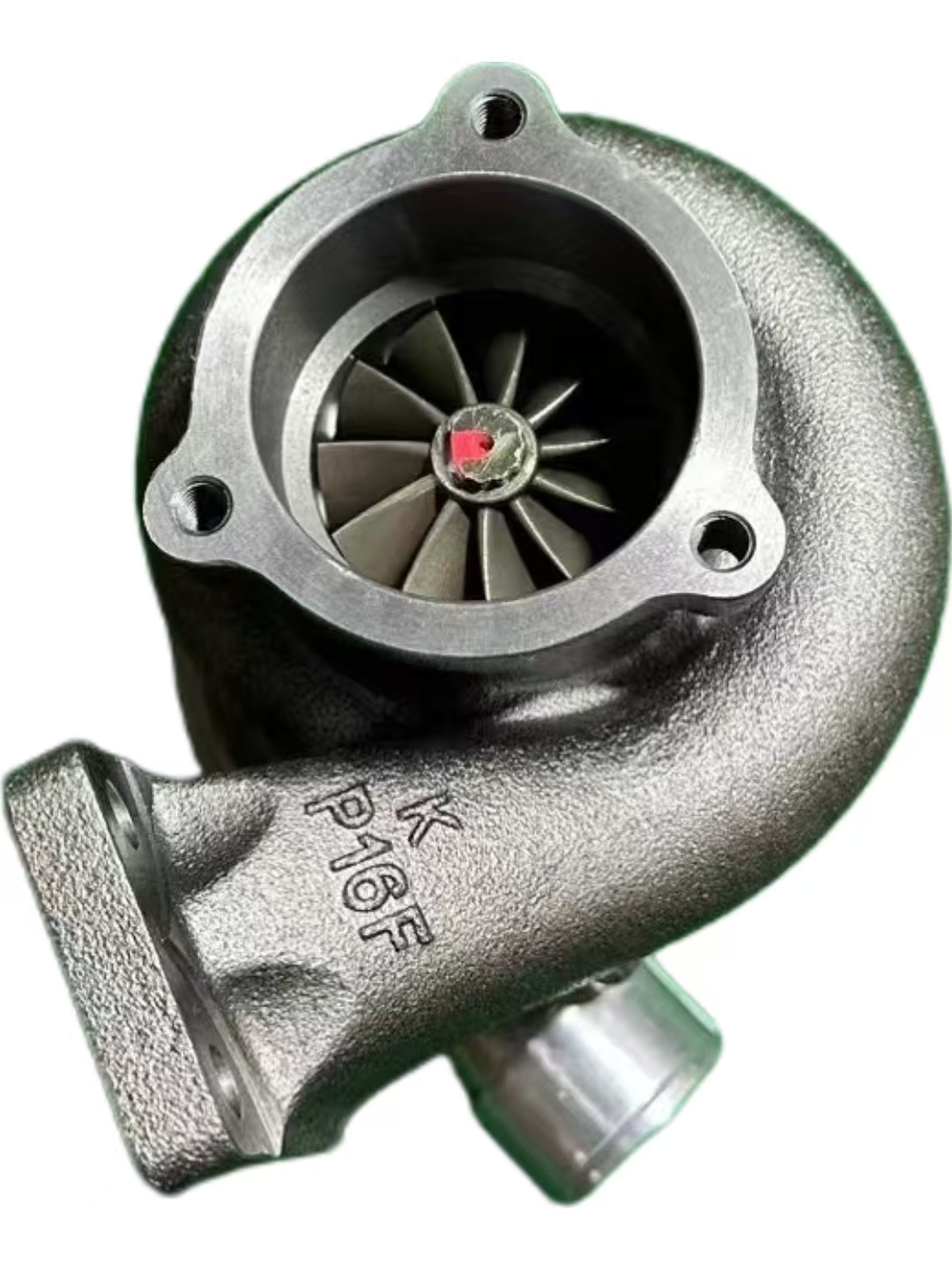
After talking about compatibility and performance, we enter the most crucial part: modification risks. This is what many people easily ignore when making impulsive purchases. Modifying a turbo is not as simple as "installing it and it's done". It may bring a series of problems. If not handled well, it may even endanger safety and money. We need to understand in advance to prevent problems before they occur. Foreign trade sellers can also inform customers in advance to reduce after-sales disputes.
In the modification process, technical links are most likely to go wrong. Even if a compatible turbo is selected, if the installation or commissioning is improper, troubles will come. This is also one of the most frequently reported after-sales problems by customers.
Turbo installation is a technical job that requires professional knowledge and tools. If you randomly find an unreliable repair shop, it may:
- Loose connections: The intake and exhaust pipes or oil pipes are not connected properly, leading to air leakage and oil leakage, affecting performance and even causing danger, such as oil leakage may cause fire.
- Damaged parts: Excessive force during installation may damage surrounding parts, increasing maintenance costs, and customers are likely to complain about this.
- Wiring errors: Modern vehicles have complex electronic systems. Wiring errors may cause the fault light to stay on, or even system paralysis. Especially for high-end trucks and passenger cars, the electronic system is more precise and more likely to have problems.
Therefore, be sure to find an experienced master to operate. Don't do it yourself to save money. Foreign trade sellers can recommend reliable modification masters to customers, or remind customers in the product description to choose a professional modification shop. Installation quality directly determines the success or failure of the modification.
This is one of the most serious risks. The turbo increases power, but the original design of the engine may not be able to withstand long-term high pressure. If not paid attention to, it may lead to:
- Overheating: The cooling system can't keep up, the engine temperature soars, shortening the service life, and even causing flameout and fault light on.
- Accelerated wear: Parts such as pistons and cylinders wear faster under high load, requiring early overhaul. The maintenance cost is amazing, especially for trucks, the engine overhaul cost is very high.
- Detonation or damage: In severe cases, it may even cause detonation or direct engine damage, making the car owner lose more than gain.
Before modification, confirm the engine's bearing capacity and strengthen the cooling or upgrade internal parts if necessary. For example, when installing a truck turbo, it is necessary to upgrade the cooling system at the same time, such as increasing the water tank and adding an intercooler, otherwise, it is easy to have engine overheating problems. Foreign trade sellers can also remind customers to upgrade relevant components synchronously when recommending to reduce risks.
Many functions of modern trucks and passenger cars are controlled by computers. After turbo modification, it may be necessary to re-program the ECU (engine control unit) to adapt to the new air intake, fuel injection, etc. If the program is mismatched, it will appear:
- Frequent alarms: The fault light stays on, affecting driving judgment. Customers will think it is a turbo quality problem and cause complaints.
- Unstable performance: The power output is sometimes good and sometimes bad, and the driving experience is poor. For example, when a truck is hauling goods, the power is unstable, which greatly affects transportation efficiency.
- Excessive emissions: It may lead to unqualified exhaust gas, which can't pass the annual inspection in strict areas. Especially for foreign trade customers, the emission regulations of the target market may be stricter, making it easy to have problems with registration.
Finding professional personnel for computer matching is the key to avoiding such problems. Don't believe the false publicity of "no debugging required". Foreign trade sellers can also choose turbo products that provide debugging services when stocking to improve customer experience.
In addition to technical problems, modification may also involve legal and safety aspects, which are easily ignored but have serious consequences. Especially for foreign trade buyers, they need to pay close attention to the relevant regulations of the target market to avoid being unable to clear customs after the goods arrive.
Different countries and regions have different regulations on vehicle modification. If the vehicle is used for commercial operation, modifying the turbo may:
- Affect compliance: In some places, illegal modification will lead to the vehicle being unable to be registered, unable to pass the annual inspection, and even face fines. For example, the regulations on vehicle modification in Europe and the United States are very strict.
- Insurance issues: If the insurance company is not informed, the insurance company may refuse to compensate in case of an accident after modification, which may cause losses to both car owners and foreign trade customers.
- Liability risks: If third-party damage is caused by modification, you may have to bear additional legal liabilities.
Before modification, be sure to understand the local laws and regulations to ensure that the operation is legal. Foreign trade buyers should pay more attention to the import regulations of the target market to avoid being unable to clear customs after the goods arrive; foreign trade sellers should also understand the laws and regulations of different markets in advance and provide compliance suggestions to customers to reduce return disputes.
Improved performance does not mean safer. If driving habits are not adjusted, the risk will increase instead:
- Difficulty in control: The power suddenly becomes stronger. If you are not familiar with it, it is easy to lose control in rainy and snowy weather or complex road conditions. Especially for trucks, which are heavy, the consequences of losing control are more serious.
- Braking pressure: The speed is faster, but if the braking system is not upgraded, the braking distance may become longer, increasing the risk of rear-end collision.
- Tire wear: Greater torque may accelerate tire wear. Regular inspection becomes more important, otherwise, it is easy to have tire blowouts and other dangers.
After modification, it is recommended that the driver receive simple training to adapt to the new vehicle performance. At the same time, check the overall vehicle safety system to ensure everything is safe. Foreign trade sellers can also remind customers to check the brakes, tires and other components after modification to ensure driving safety.
Modification is not a one-time effort. The turbo itself and other related components work under high pressure and may require more frequent maintenance:
- Shortened maintenance intervals: Oil, filters, etc. need to be replaced more frequently, increasing daily expenses. Especially for trucks, the maintenance cost will increase a lot after long-term operation.
- Increased failure rate: If the turbo quality is poor or the installation is improper, the later maintenance frequency is high, affecting the attendance rate. Truck drivers may lose income because of this.
- Reduced resale value: Major modifications may reduce the second-hand value of the vehicle, because buyers will worry about hidden problems, whether it is a truck or a passenger car.
Before deciding to modify, calculate a long-term economic account. Don't only look at the immediate power improvement and forget the subsequent investment. Foreign trade sellers can also remind customers to consider long-term maintenance costs when recommending, and choose rationally.
It's not that modifying a truck turbo is necessarily risky. As long as you do the following points, you can greatly reduce the risks, enjoy the power improvement, and not damage the vehicle or violate the law. Foreign trade sellers can also reduce after-sales disputes.
First, find a professional modification shop. Don't do it yourself or find a small workshop. A professional modification shop can choose the right turbo model according to the vehicle, adjust the boost pressure, and upgrade relevant components to avoid damaging the vehicle due to improper modification; second, don't force to increase the boost pressure. Adjust to the appropriate pressure according to the vehicle model and needs, which is enough; third, when installing the turbo, upgrade the cooling system and oil system to ensure that the engine can withstand the pressure and heat of the turbo; fourth, understand the local modification regulations in advance to ensure that the vehicle can be legally driven after modification. Foreign trade customers should pay close attention to the regulations of the target market; fifth, choose reliable turbo products, prioritize original factory or verified compatible accessories. For second-hand turbos, choose those with good condition and no damage. Foreign trade sellers should pay attention to product quality when stocking.