chris@alfredturbo.com
+86-18112348562
Language
Please Choose Your Language

Views: 56 Author: Alfredturbo Publish Time: 2026-04-19 Origin: Site


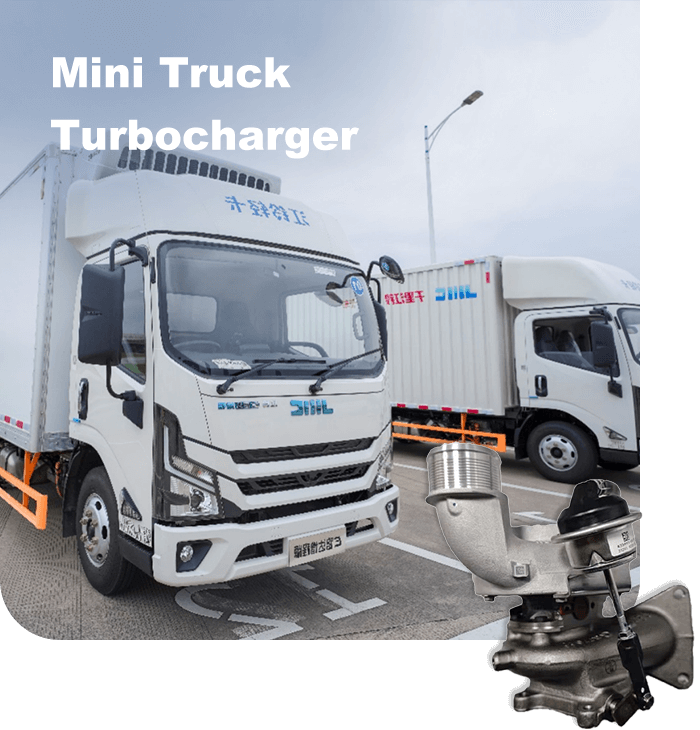
Every day, we receive inquiries from customers all over the world—truck drivers in the United States, fleet managers in Germany, parts wholesalers in Dubai, individual transporters in Malaysia, and short-haul transport bosses in Spain. The question they care most about is always: "Can this turbocharger fit my truck? How should I choose to avoid mistakes?"
In 2026, the global diesel truck ownership continues to rise, and the demand for the after-sales replacement market is strong. However, the turbochargers on the market are of various models and uneven quality, and many customers are prone to pitfalls—either buying mismatched models that cannot be installed, or experiencing oil leaks and power attenuation soon after use, which instead delays transportation and increases costs.
This guide is tailor-made for you. We do not talk about obscure professional terms, but only practical skills: helping you quickly judge whether the turbocharger is really damaged, accurately select the turbocharger suitable for your truck, choose the right product according to your budget and needs, avoid common pitfalls in procurement and installation, and make you worry-free, cost-saving, and less detours. Whether you drive a long-haul Freightliner in North America, a heavy-duty Scania in Europe, or various freight vehicles in Southeast Asia and the Middle East, you can easily get started after reading this guide.
Many customers' first reaction when they find their vehicle lacking power or emitting black smoke is "the turbocharger is broken, buy a new one quickly". As a result, after replacing the new turbocharger, the problem still exists, which not only wastes money but also delays the transportation schedule. In fact, many times, these symptoms are not caused by turbocharger failure. Only by doing a good job in troubleshooting can we avoid "misdiagnosis".
Before deciding to buy a new turbocharger, please spend a few minutes completing these 3 inspections, which can probably help you save an unnecessary expense. This is also practical experience summed up by us after serving global customers for many years.
Check the intake system: Is the air filter clogged? Is there any air leakage in the intake pipe? This is the most common problem, especially in dusty regions such as the Middle East and Africa. A clogged air filter will lead to insufficient air intake, and the symptoms are almost the same as those of a damaged turbocharger. In many cases, it can return to normal after replacing or cleaning the air filter.
Check the exhaust system: Is the DPF (Diesel Particulate Filter) or SCR (Selective Catalytic Reduction System) clogged? In the European and North American markets with strict emissions, clogging of the after-treatment system is very common, which will directly cause the vehicle to lack power and emit black smoke, not a turbocharger failure.
Check the fuel system: Failures of fuel injectors or high-pressure fuel pumps can also lead to decreased power and increased fuel consumption. Many customers mistakenly think it is a turbocharger problem and replace it blindly, which instead increases costs.
Real Case: We have an American customer named John. His Freightliner truck had insufficient power and occasionally emitted black smoke. He insisted that the turbocharger was broken and urged us to deliver the goods. We suggested that he first check the EGR (Exhaust Gas Recirculation) valve. Later, it was found that the EGR valve was just stuck, and the problem was completely solved after cleaning, helping him save a sum of money for buying a turbocharger and making him our long-term customer. In fact, such "misdiagnosis" is very common. EGR valve failure will reduce the air content on the intake side of the cylinder, leading to insufficient fuel combustion, and then black smoke and insufficient power will occur, which are highly similar to the symptoms of turbocharger failure.
If it is confirmed that the turbocharger is damaged after troubleshooting, the next most critical step is to select the right model—turbochargers are not universal parts and must be accurately matched with your truck's engine and model. These 3 key pieces of information can ensure that you choose 100% correctly and avoid wrong purchases and returns.
Different engines have completely different displacements and designs, and the corresponding turbochargers are also completely different. This is the core of model selection and must be confirmed first.
Common North American engines: Cummins ISX, Detroit Diesel DD13/15/16, Paccar MX, suitable for mainstream heavy-duty trucks such as Peterbilt, Kenworth, and Freightliner.
Common European engines: Volvo D11/D13, Mercedes-Benz OM 460/470, suitable for models such as Volvo FH series and Mercedes-Benz Actros.
How to obtain: You can find the engine model on the engine nameplate, or check the vehicle's motor vehicle registration certificate or factory certificate of conformity, which will be clearly marked. If you are not sure, you can also take a photo and send it to us, and we will help you confirm.
This is the "safety bolt" to avoid mismatch. In many cases, for the same engine (such as Cummins ISX15), turbochargers may not be universal for different years and emission standards (EPA 10 vs EPA 13), and only the OEM part number can correspond 100%.
How to obtain: Remove the old turbocharger and take a photo of the Part No. on the nameplate. A clear photo can avoid misreading numbers and reduce errors.
Our support: As a professional factory, we provide online cross-reference services. You only need to send us the OEM part number, and we can directly find the suitable product model of ours for quick matching, which is worry-free and accurate.
If the nameplate of the old turbocharger is worn and unclear, or your vehicle is still in operation and cannot be disassembled temporarily, the VIN code is the last backup, and matching can be completed without disassembling parts.
How to use: The 4th to 8th digits of the VIN code usually contain engine information. Many professional parts query systems (such as Turbo Key) support VIN code query. After inputting, you can accurately lock the turbocharger model; you can also send the VIN code to us, and we will help you quickly query the suitable model.
After locking the model, choosing the turbocharger type according to your daily usage scenario can make the turbocharger more durable and suitable for your needs, avoiding "overkill" or "insufficient power".
Long-haul trunk transportation (European cross-border logistics, North American inter-state freight): Driving 800-1000 kilometers every day with more constant speed driving, priority should be given to turbochargers that are durable, fuel-efficient, and stable in medium and high-speed power (such as fixed-section turbochargers), which have low failure rate and fuel-efficient, helping you reduce long-term operating costs.
Short-haul heavy-duty/construction site transportation (South American mines, African infrastructure construction sites): Frequent climbing, idling, and frequent start-stop, priority should be given to turbochargers with sufficient low-speed torque and fast response (such as variable geometry turbochargers VGT), which have strong starting power, easy climbing, and are suitable for complex road conditions.
Light-duty daily distribution (European and American urban express delivery, supermarket replenishment): The goods are not heavy, and cost-effectiveness is pursued. You can choose basic and cost-effective turbochargers without blindly pursuing high performance to save procurement costs.
After confirming the suitable model, the next step is to choose the right product type. In the global after-sales turbocharger replacement market in 2026, there are 3 mainstream choices. Combining your budget, vehicle conditions and usage needs, you can choose quickly. We will help you analyze in detail based on the feedback from global customers, so you will no longer be entangled after reading.
Suitable for: Fleet managers (pursuing high attendance rate), repair shops focusing on quality assurance, new vehicles used for less than 3 years, and customers with high requirements for reliability (especially European and North American customers).
Advantages: Zero wear, stable performance, using the same materials and craftsmanship as original parts, usually providing 12-24 months of quality assurance. After installation, there is basically no need to worry about it, which can minimize vehicle downtime and avoid delays in transportation due to turbocharger failure.
Disadvantages: The price is higher than that of remanufactured parts, usually 800-2000 US dollars, which is 1.5-2 times that of remanufactured parts.
Our suggestion: If your truck is mainly used for long-haul transportation (such as Peterbilt, Kenworth), it is recommended to choose new aftermarket parts—once it breaks down on the road, the delayed transportation schedule and the resulting liquidated damages will far exceed the price difference of the parts. Just like a fleet manager in Hamburg, Germany, feedback: "My Scania S500 has been running for more than 2 years with your new aftermarket parts, and there is no problem at all. The power is the same as that of a new car. Although it is expensive, it is worry-free and does not delay delivery."
Suitable for: Individual drivers with limited budget, old models used for more than 8 years (the car is almost scrapped, so there is no need to install a new turbocharger), and customers in price-sensitive markets such as Southeast Asia and Africa.
Advantages: Low price, usually 60%-70% of new parts, about 500-1200 US dollars, which can maximize the reduction of your procurement costs.
Disadvantages: Uneven quality. Remanufactured parts produced by small workshops are only simply cleaned and assembled without strict testing. It is common that they break down immediately after installation, which instead delays time and increases costs.
Our commitment: Our remanufactured parts are all from reputable remanufacturing factories, with new bearings replaced and strict dynamic balance testing to ensure durability and avoid you stepping into pitfalls. Just like a short-haul transport boss in Madrid, Spain, feedback: "My old Mercedes-Benz Actros has been running for 12 years. I replaced it with your remanufactured turbocharger, which is cheap! It has been used for more than half a year and there is no problem so far. Anyway, the car is almost going to be replaced, so it's okay to make do with it."
Suitable for: Pickup truck owners (such as Ford F-350), modification enthusiasts, and some individual drivers pursuing stronger power.
Notes: Performance parts (such as larger turbochargers) usually need to be matched with ECU tuning (Tuning) to exert their effects, otherwise, they may report fault codes, power mismatch, or even damage the engine. When the engine leaves the factory, the ECU program is adjusted relatively conservatively. ECU tuning can optimize fuel injection, ignition timing and turbocharger pressure control to tap the engine potential, but it requires additional debugging costs, please be aware in advance.
Combining our 10 years of experience in serving global customers, we give you 3 straightforward suggestions to help you make a quick decision:
Sufficient budget, pursuing ultimate reliability (European and American high-end fleets, new vehicles): Choose new aftermarket parts;
Medium budget, pursuing cost-effectiveness (most individual drivers, small and medium-sized fleets): Choose the new aftermarket parts of our factory, which have the highest cost-effectiveness and guaranteed quality;
Extremely tight budget, transition for old trucks (short-term use, price-sensitive): Choose our reliable remanufactured parts.
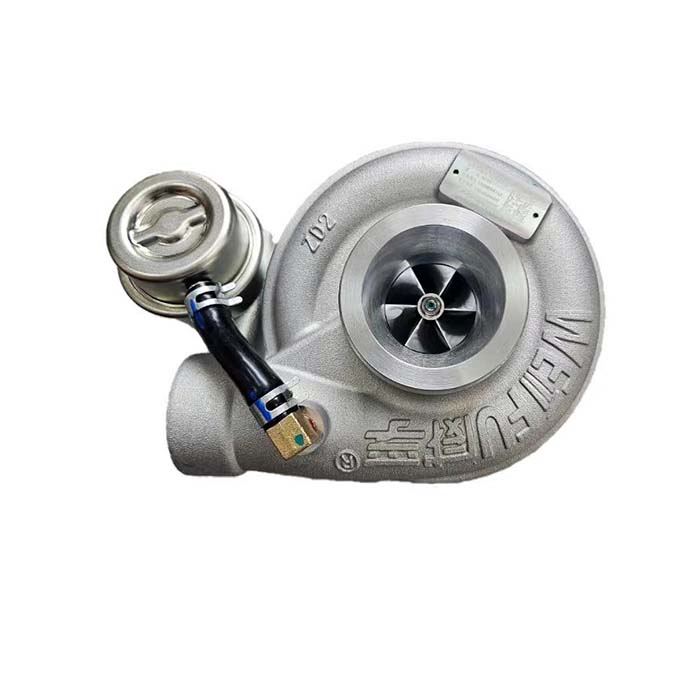
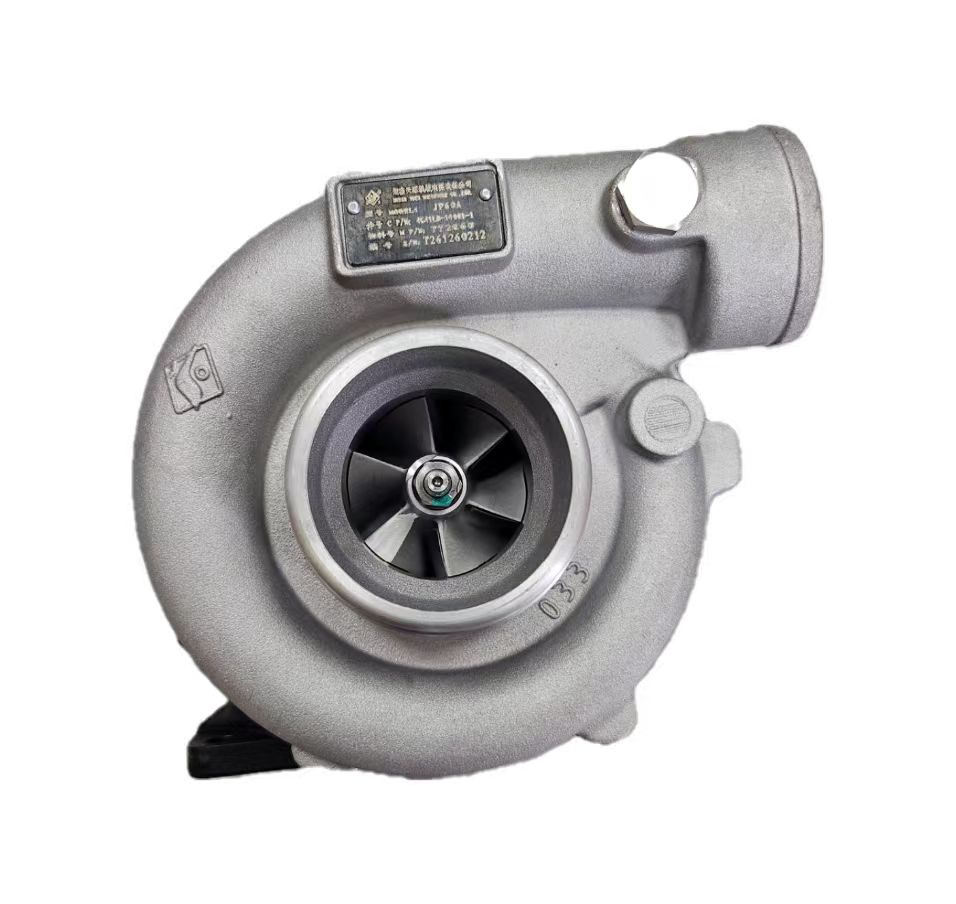
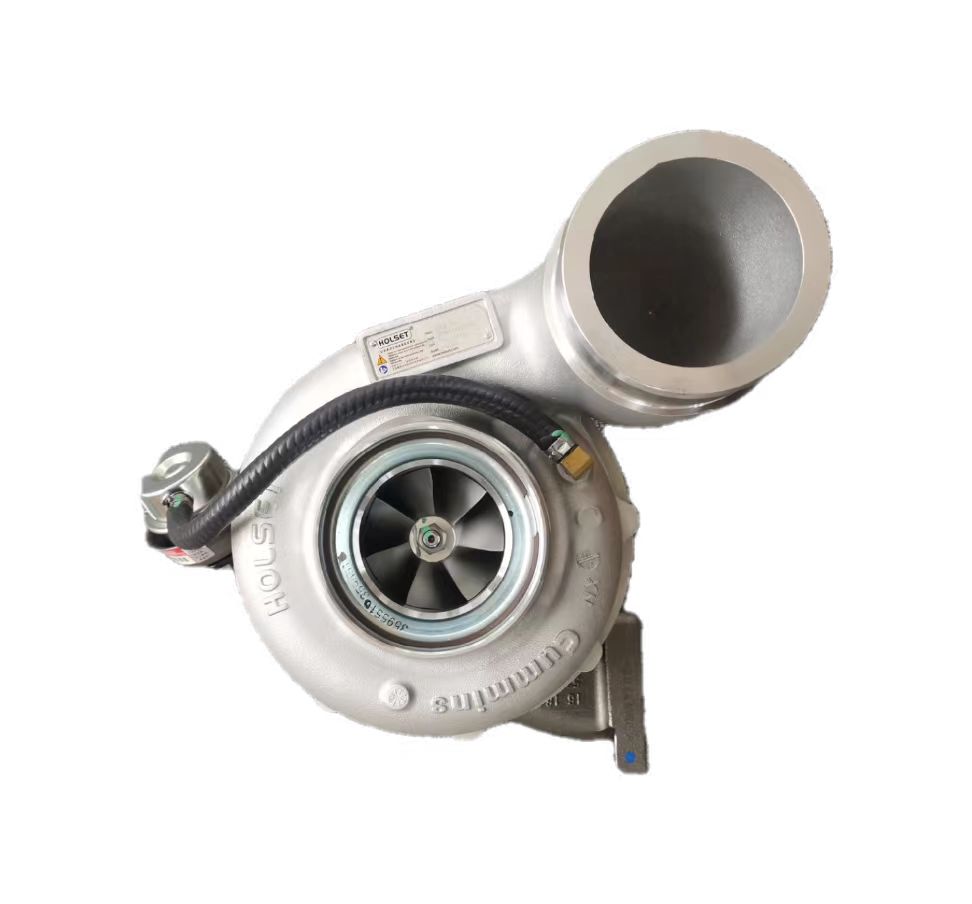
As a factory focusing on the overseas market, we deeply understand your concerns when purchasing—fear of buying the wrong product, fear of poor quality, fear of customs clearance obstacles, and fear of no after-sales support. The following are the 4 most common pitfalls for global customers. Understanding them in advance can help you avoid losses and purchase smoothly.
This is the most troublesome problem for European customers such as Germany and Poland. Once a mistake is made, the turbocharger cannot be used, and you may also face penalties from local regulatory authorities.
Core problem: Turbochargers for Euro 5 (Euro 5) and Euro 6 (Euro 6) look almost the same in appearance, but their internal actuators and blade designs are different, and the adapted after-treatment systems are also different. Incorrect installation will lead to excessive emissions, and the vehicle will not pass the annual inspection, or even be fined. Euro 6 engines improve combustion efficiency by optimizing internal structure, which has higher requirements for turbocharger adaptability, which is one of the key reasons why turbochargers are not universal.
Solution: Before purchasing, be sure to inform us of your vehicle's emission standards, and we will recommend a suitable model for you; our product catalog will also clearly mark "For Euro 6 Only" or "For Euro 5" for your convenience to check by yourself.
For foreign trade procurement, customs clearance is the key. Once a problem occurs, the entire container of goods may be detained, resulting in heavy losses and delaying the construction period. We have helped many customers avoid pitfalls in this regard and share it with you.
CE Certification: A must for exporting to Europe. It is a mandatory certification issued by the European Union for product safety. Without the CE mark, the goods cannot be picked up at the port. All our products have passed CE certification, and we will put a copy of the CE certificate directly in the box when delivering goods to facilitate your customs clearance.
ISO 9001 Certification: Although it is not mandatory, it is a proof of our factory's quality system, which can make you more assured of purchasing and also a guarantee of our product quality.
Real Case: We have a Turkish customer who, when cooperating with other suppliers before, had the entire container of goods detained by the customs because the other party could not provide the CE certificate, resulting in a loss of more than 100,000 US dollars. Later, when cooperating with us, we provided CE certification-related materials in advance and attached a copy of the certificate with each shipment. His goods have never had customs clearance problems again, and he has been cooperating with us for 3 years now.
This is a point often ignored by Middle Eastern customers (such as customers in Saudi Arabia and the United Arab Emirates). Although it seems like a small thing, it can prevent you from falling into trouble during installation.
Common problem: Many customers only buy theturbocharger but not the installation kit. As a result, when installing the car, they find that the old oil pipes and gaskets have aged and damaged, and the car is stopped halfway waiting for parts, delaying the construction period for several days and affecting transportation.
Our suggestion: We strongly recommend that you purchase the installation kit as a package. Our turbochargers are usually provided with: new intake and return oil pipes, new gaskets (Gasket Set), and installation bolts (high-temperature anti-seize). You can directly install the car when you get it, avoiding work stoppage and saving time. Many parts wholesalers in Dubai feedback that after purchasing as a package, the installation efficiency is greatly improved, and subsequent troubles are also reduced.
As a truck practitioner, time is money. Before purchasing, be sure to confirm the delivery cycle and logistics method to avoid delays in transportation due to delayed arrival of parts.
Delivery cycle: 7-15 days for regular models, 15-30 days for special models. We will arrange production first according to your needs to ensure timely delivery.
Logistics method: Sea freight (cheap, 30-45 days), air freight (fast, 7-10 days). You can choose according to your construction period needs, and we will assist you in arranging the most suitable logistics plan.
According to our statistics, more than 50% of turbocharger failures are not caused by product quality problems, but by improper installation. This part of the content can be forwarded to your repairman. Correct installation and maintenance can greatly extend the service life of the turbocharger and reduce after-sales troubles; at the same time, our perfect after-sales service can also make you worry-free about purchasing.
Many customers feedback that "the new turbocharger leaks oil or makes abnormal noise after installation". 90% of them are caused by irregular installation, not related to the quality of the turbocharger. During installation, be sure to let the repairman do these 3 steps:
If the old turbocharger is burned out due to lack of oil, metal debris will contaminate the engine oil circuit. Installing a new turbocharger without cleaning the oil circuit is equivalent to "murdering" the new turbocharger. Please be sure to replace the new engine oil and oil filter, and flush the oil pipes to remove impurities and carbon deposits in the oil circuit. The turbocharger rotates at hundreds of thousands of revolutions per minute when working, relying entirely on engine oil for lubrication and cooling. Clean engine oil can greatly extend the service life of the turbocharger, which is also one of the core points of turbocharger maintenance.
Do not start the engine directly after installing the new turbocharger. The correct method is: first pull out the fuse or relay, let the starter rotate the engine (without fuel injection) until the oil pressure is established, then install the fuse back and start. This is called "Dry Start Protection" (Dry Start Protection), which can avoid dry friction of the turbocharger bearings and reduce initial wear. When starting a cold engine, the engine oil has high viscosity and needs a certain time to reach the turbocharger bearings. Pre-lubrication in advance can effectively protect the turbocharger and avoid increased bearing wear.
After starting the engine, idle for 5-10 minutes to allow the engine oil to fully lubricate the turbocharger bearings and avoid dry friction; in the first 500 kilometers, do not step on the accelerator sharply, do not drive at high speed, do not climb with heavy loads, and take it step by step to allow the turbocharger and engine to run in and extend the service life. At the same time, note that after running at high speed or heavy load, do not turn off the engine immediately. Idle for 3-5 minutes to let the turbocharger speed drop slowly, and the engine oil continues to lubricate the bearings to avoid high temperature sudden cooling and bearing burnout. This is also a key habit to protect the turbocharger.
We know that you value the warranty most when purchasing, which is also our confidence in product quality. The following is our standard warranty policy, which is informed to you in advance to avoid subsequent disputes:
Warranty scope: 6-month warranty period
Warranty premise: When a quality problem occurs, please provide photos of the old parts and installation videos. This is to judge whether the installation is standardized and the basis for us to provide warranty services.
Non-warranty situations: Foreign objects entering (such as air filter failure, sand entering the turbocharger), burnout due to lack of oil, manual installation errors (such as wrong pipeline connection), and unauthorized modification of the turbocharger. These situations are not covered by the warranty, please be sure to note.
Even if you are on the other side of the world, we can provide timely technical support when you encounter any problems. This is also one of the core reasons why we can serve customers in more than 50 countries around the world:
WhatsApp/WeChat video support: Let your repairman turn on the video, and our technical staff will remotely guide him to check the pipeline connection, troubleshoot installation problems, and solve problems in real time.
Fault code interpretation: If a fault code is reported after installation (such as P0234 overpressure), please contact us in time. We will assist in troubleshooting whether it is a turbocharger problem, a sensor problem, or an installation problem, helping you solve it quickly and reduce downtime.
Daily maintenance guidance: We will provide a simple turbocharger maintenance manual, informing you to replace engine oil and air filter regularly, avoid long-term idling, etc., to help you extend the service life of the turbocharger and reduce after-sales problems. For example, every month you can find a section of road with few cars, keep the speed at 3000-3500 rpm and drive at a constant speed for 2-3 minutes to remove carbon deposits on the turbocharger blades and improve turbocharger performance.
For every truck practitioner, the truck is your "livelihood". Choosing the right turbocharger is the key to ensuring smooth transportation and reducing operating costs. We deeply understand your needs—accurate adaptation, reliable quality, reasonable price, and worry-free after-sales service, which is also our pursuit for many years.
In 2026, the diesel truck after-sales turbocharger market is highly competitive, but we have always focused on providing cost-effective and high-quality turbochargers for global customers, helping you avoid detours, save worry and money with professionalism and service.
As a factory with 10 years of experience in turbocharger production and foreign trade export, we are located in Jiangsu, China, with more than 2000 models, covering mainstream global diesel truck engines such as Volvo, Scania, Mercedes-Benz, Cummins, and Detroit. Our products have passed CE and ISO 9001 certifications, exported to more than 50 countries and regions around the world, and support bulk procurement, customized production, and fast delivery.
If you are not sure which turbocharger is suitable for your truck, or have any questions about procurement, installation, or maintenance, please contact us at any time. We have 10 years of overseas customer service experience and data accumulation, and will provide you with one-on-one solutions to help you choose and use the turbocharger correctly.