chris@alfredturbo.com
+86-18112348562
Language
Please Choose Your Language

Views: 78 Author: Site Editor Publish Time: 2026-04-13 Origin: Site


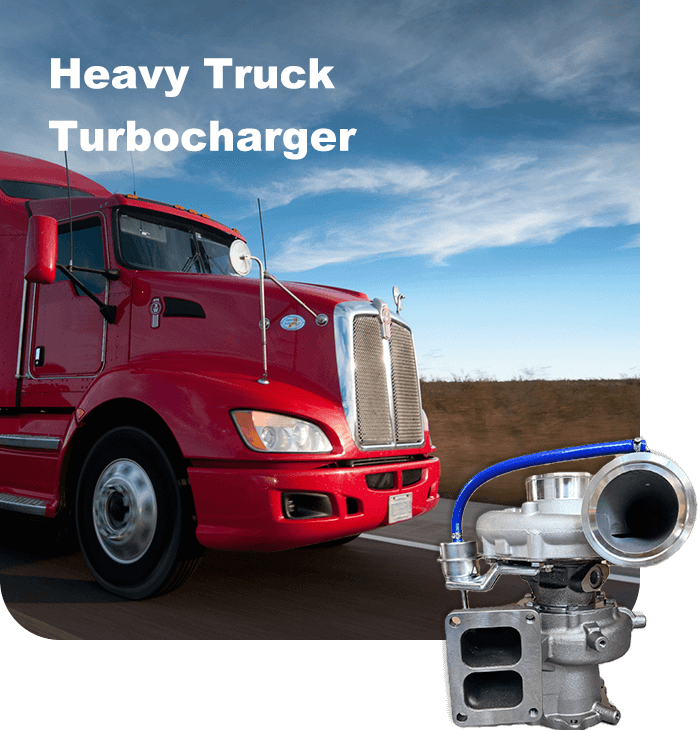
If you work in the trucking industry, the term "turbocharger" is definitely no stranger to you. But do you really understand how it boosts truck performance and how to maintain it correctly? Today, we’re going to talk about all aspects of truck turbochargers to help you make informed decisions when purchasing or using them. If you own or operate a truck, you’ve probably heard of turbochargers too—but do you really understand how they work, what benefits they bring, and which misconceptions you should ignore? Today, we break down all the practical information about truck turbochargers, so whether you’re a novice or an experienced driver, you can understand and put it to use right after reading.
First, let’s get the basics straight—a truck turbocharger is not a complex device that only mechanics can understand. Its original design purpose is to help the truck’s engine perform better. The entire working process is actually very easy to understand once broken down; the core is "turning waste into treasure," using the waste gas wasted by the engine to generate tangible power. Many overseas customers feel that the turbocharger is very "mysterious" when they first come into contact with it, but in fact, you can fully understand its working logic by grasping the core of "breathing."
Simply put, a truck turbocharger is like a "super respirator," and its core function is to help the truck’s engine "breathe deeply," inhale more air, and release stronger power. We all know that engine power comes from fuel combustion, and fuel combustion cannot do without sufficient air. A naturally aspirated engine can only passively inhale air, while a turbocharger takes the initiative to "work hard," using the exhaust gas discharged by the engine to drive the turbine to rotate at high speed, and at the same time drive the compressor at the other end to "force" more, denser air into the engine cylinders. More air means more fuel can burn fully, thereby generating stronger power—just like letting the truck take a deep breath, making it run more powerfully, even when carrying heavy loads, it won’t feel "powerless." Moreover, the working process of the turbocharger consumes almost no additional energy from the engine; it completely uses the exhaust gas that would otherwise be wasted, truly realizing "turning waste into treasure."
A typical turbocharger consists of two key parts, which work together to ensure the stable operation of the entire device—that’s also the key to the turbocharger’s ability to continuously output power. These two core components are the exhaust-driven turbine and the intake-side compressor, which are installed on the same shaft; as long as one rotates, the other will rotate synchronously. Specifically, when the truck’s engine is running, it will discharge a large amount of high-temperature and high-pressure exhaust gas. This exhaust gas will enter the turbine chamber of the turbocharger along the exhaust pipe, pushing the turbine blades to rotate at high speed—even reaching hundreds of thousands of revolutions per minute. The shaft connected to the turbine will drive the compressor blades on the other side to rotate synchronously at the same time. The compressor blades will quickly suck in fresh air from the outside, compress it into high-density air, and then send it into the engine cylinders through the intake pipe. The entire process is smooth and efficient, with no unnecessary energy waste, and it will not add extra burden to the engine—this is one of the reasons why turbochargers are more practical than other power-boosting devices.
Unlike ordinary passenger cars, trucks often need to carry heavy loads, climb slopes, and drive long distances, which have very high requirements for torque and continuous power. Naturally aspirated engines are prone to "running out of breath" under high-load conditions—insufficient air intake leads to incomplete fuel combustion, and power will drop significantly, which not only affects transportation efficiency but also may increase fuel consumption. The turbocharger can perfectly solve this problem: it can continuously provide high-density air to the engine to ensure full fuel combustion. Even a small-displacement engine, with the help of a turbocharger, can output power comparable to a large-displacement engine while also taking into account fuel economy. In addition, to ensure smooth operation and avoid damage to components due to excessive turbine speed, most truck turbochargers are also equipped with a small component called a wastegate. The function of this component is to control the amount of exhaust gas entering the turbine. When the exhaust gas pressure is too high, the wastegate will automatically open to release part of the exhaust gas, thereby protecting the engine and the turbocharger itself, ensuring the stable operation of the entire system and extending its service life.
Now that we understand the working principle, let’s talk about the actual benefits a turbocharger can bring to you—after all, no matter how good a device is, solving practical problems is the key. Every advantage of a truck turbocharger can help you reduce operating costs and improve transportation efficiency, whether you are an individual owner or a fleet operator, you can benefit from it. Many overseas customers are most concerned about "what benefits it can bring to me" when purchasing a turbocharger.
The most direct and obvious advantage of a turbocharger is "small displacement, large power," which is also the core reason why it is widely used in trucks. Under the same displacement, a truck equipped with a turbocharger can output 20%-40% more power. Whether climbing slopes, overtaking, or starting with heavy loads, it is easier than a naturally aspirated truck, so you don’t have to worry about delayed transportation due to insufficient power. What’s even better is that many people mistakenly think that a turbocharger will consume more fuel, but the opposite is true—a turbocharger can make fuel burn more fully, avoiding fuel waste. Under common working conditions such as highway cruising, fuel consumption is even lower than that of a naturally aspirated engine. For fleets, this can save a lot of fuel costs in the long run, especially for long-distance transportation where fuel costs are one of the main expenses. The fuel-saving advantage of the turbocharger will be more obvious, which is equivalent to "spending a little money to save a lot of money."
For trucks that often run in high-altitude areas, the turbocharger is simply a "magic tool." In high-altitude areas with thin air, the power of ordinary naturally aspirated engines will drop significantly, and even "halve"—difficulty climbing slopes, inability to increase speed, which seriously affects transportation efficiency. However, the turbocharger can effectively compensate for the loss of air density caused by altitude through active pressurized air intake, allowing the engine to still obtain sufficient air at high altitudes and maintain strong power, making the truck still "energetic" at high altitudes. In addition, more complete fuel combustion also means that the emission of harmful substances (such as particulate matter and nitrogen oxides) in the exhaust gas will be reduced, making it easier to meet the increasingly strict international emission standards. Whether you operate in Europe, the Americas, or other regions, you can avoid fines due to non-compliant emissions, and also better respond to environmental policies and improve the environmental image of your fleet.
Many people may not expect that a correctly used turbocharger can actually protect the engine and extend its service life. Because the turbocharger improves fuel combustion efficiency, it reduces the damage of carbon deposits and unburned fuel to components such as cylinders and pistons, avoiding engine failures caused by excessive carbon deposits. At the same time, the lubrication and cooling systems of modern turbochargers are very mature. As long as they are regularly maintained and used correctly, the turbocharger itself can work stably for hundreds of thousands of kilometers without easy damage. Many overseas truck drivers feedback that after installing a reliable turbocharger, the engine’s major maintenance cycle is extended, and maintenance costs are also reduced—this is also a hidden advantage of the turbocharger.
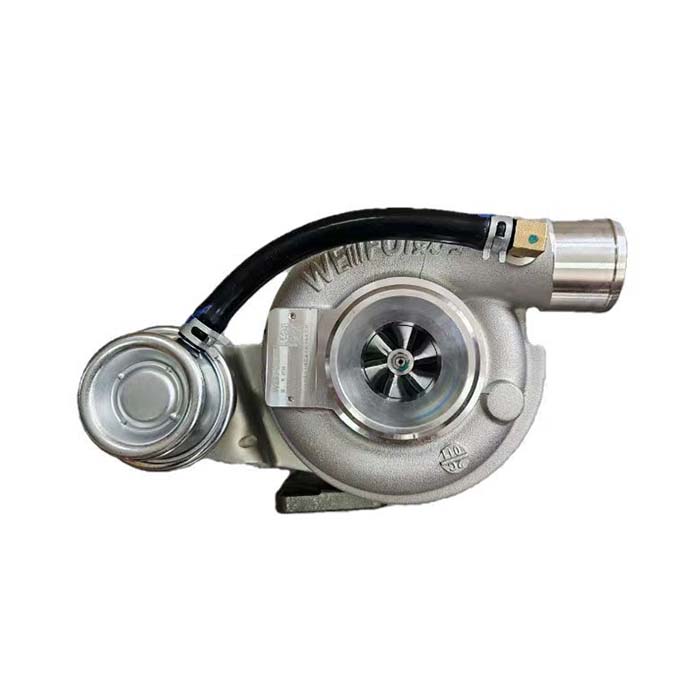
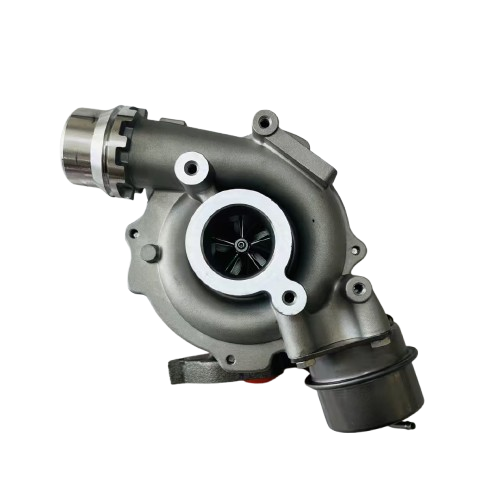
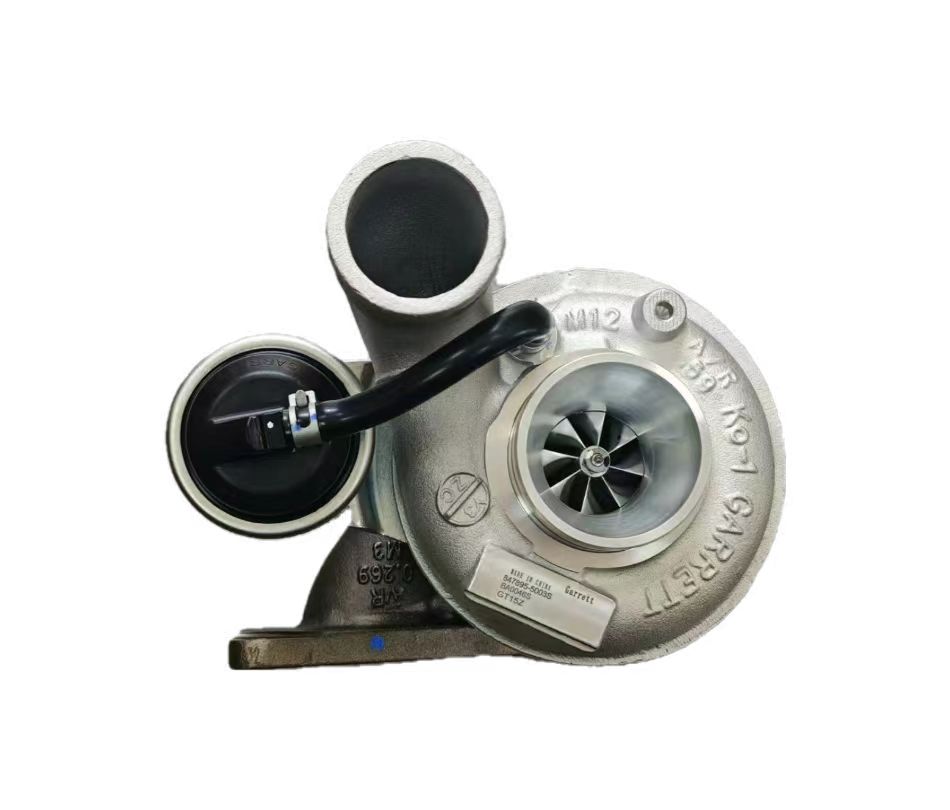
Although turbochargers are already very popular and more and more trucks are equipped with them, many overseas customers still have misunderstandings about them. These misunderstandings will not only affect your use of the turbocharger but also may lead to unnecessary damage and even affect purchasing decisions. Today, we will clarify these common misunderstandings in response to the questions often asked by overseas customers, helping you correctly understand the turbocharger and avoid pitfalls.
This is a classic and common misunderstanding, and many overseas customers worry about this when purchasing. In fact, early turbochargers were indeed sensitive to high temperatures and lubrication and prone to failures due to immature technology, but today’s turbocharger technology is very mature, and its durability has been greatly improved. As long as you do three things, your turbocharger can accompany you "all over the world": first, use qualified engine oil and replace it regularly—engine oil is the "lifeline" of the turbocharger, which can play a role in lubrication and cooling; second, after a cold start, idle for 1-2 minutes to warm up before heavy-load operation, allowing the turbocharger enough time to preheat and avoid wear due to insufficient lubrication during cold start; third, before turning off the engine, let it idle for a while to help the turbocharger dissipate heat, avoiding component damage caused by sudden power and oil cut-off when the turbine is still rotating at high speed. In fact, the turbocharger is a reliable partner, not a "porcelain doll" that needs to be held carefully. As long as it is used correctly, its service life is almost the same as that of the engine.
This is also a question that overseas customers are very concerned about. Many people worry that installing a turbocharger will increase additional maintenance costs. In fact, it is not the case—the turbocharger itself does not require special maintenance, and its maintenance has been integrated into the regular maintenance of the engine, requiring no extra time and money. The only thing you need to pay attention to is to regularly check the intake pipeline and air filter to keep the intake air clean, preventing impurities from entering the turbocharger and damaging the internal impellers and bearings. Compared with the fuel-saving benefits, power improvement brought by the turbocharger, and the reduction in maintenance costs due to extended engine life, this maintenance cost is almost negligible. Moreover, choosing a regular brand of turbochargerensures its durability and spare parts supply, so you won’t encounter the situation of "unable to find spare parts when broken," which further reduces maintenance costs.
Many overseas customers will ask whether their old trucks can be equipped with a turbocharger and if all trucks are suitable. In theory, most diesel trucks can be equipped with a turbocharger either as original equipment or as an after-market addition, but this is not absolute. Two core factors need to be considered: first, the strength of the engine itself, whether it can withstand the higher pressure brought by the turbocharger. If the engine itself is not strong enough, installing a turbocharger may cause damage to components such as the engine block and pistons; second, the vehicle’s cooling system, whether it can meet the additional heat dissipation needs when the turbocharger is working. The turbocharger generates a lot of heat during operation; if the heat is not dissipated in time, it will affect its service life and work efficiency. For old models, it is recommended to consult a professional technician first to evaluate the vehicle’s compatibility before deciding whether to install it. However, mainstream modern trucks on the market have reserved installation space and supporting interfaces for turbochargers during design, making installation very convenient without the need for large-scale modifications to the vehicle.
To make the turbocharger last longer and perform better, correct selection and daily maintenance are essential. These skills are very simple and can be operated by yourself without professional tools—the key is to develop good habits. Whether you have just purchased a turbocharger or have been using it for a period of time, these practical suggestions can help you extend the service life of the turbocharger and reduce operating costs.
There are many turbocharger brands on the market with varying quality. It is recommended to choose a brand with a good reputation and high popularity in the trucking industry. Don’t just look at the price—low-priced turbochargers may have low initial investment, but they have poor durability and are prone to failures, which will increase subsequent maintenance costs and downtime losses. More importantly, you should choose a turbocharger that perfectly matches your engine model, displacement, and operating conditions (such as long-distance freight, construction site heavy loads, high-altitude driving, etc.). Different operating conditions have different requirements for turbochargers; for example, trucks that often run at high altitudes need a turbocharger with higher boost pressure and better heat dissipation performance. A good turbocharger supplier will provide detailed technical parameters and installation guidance, and even make fine-tuning recommendations according to your main driving conditions to ensure that the turbocharger can play its best effect.
The installation of a turbocharger requires high precision, especially the sealing of the intake and exhaust pipelines and the connection of the lubricating oil pipelines. Even a small leak will lead to reduced performance of the turbocharger or even early damage. Many overseas customers choose to install it themselves or by non-professionals to save costs, resulting in the turbocharger not working normally, which is not worth the loss. It is strongly recommended to have it operated by experienced professional technicians and use original or certified seals and gaskets to avoid problems caused by unqualified accessories or improper installation. After installation, it is best to conduct a preliminary test to check for abnormal noise, oil leakage, or pressure abnormalities in the turbocharger, and put it into use only after ensuring that it is installed correctly and can work normally.
To make your turbocharger "live a long and healthy life," just remember a few small habits—simple and easy to operate, but they can greatly extend its service life. First, after a cold start, drive gently for a few minutes to allow the engine oil to fully lubricate the turbocharger bearings. Do not drive at high speed immediately after starting to avoid wear of the turbocharger due to insufficient lubrication. Second, avoid sudden shutdown, especially after long-distance driving. The turbocharger is still in a high-temperature, high-speed rotation state; sudden shutdown at this time will cause the engine oil supply to be interrupted, making it impossible to effectively cool and lubricate, which will seriously shorten its service life. The correct approach is to let the engine idle for 1-2 minutes before turning it off to help the turbocharger dissipate heat. Third, regularly check the air filter and intake pipeline to keep the intake air clean, preventing dust and impurities from entering the turbocharger and damaging the impellers and bearings. Fourth, strictly follow the requirements of the engine manual to replace the engine oil and oil filter, and choose high-quality engine oil that meets the specifications. The quality of the engine oil directly affects the service life of the turbocharger—never use inferior engine oil to save costs. As long as you treat it well, it will reward you with surging power and escort your transportation career.
Turbochargers are no longer exclusive to racing cars or luxury cars; they have become an important tool for modern trucks to improve efficiency and reduce total costs. Whether it is long-distance transportation, heavy-load transportation, or high-altitude transportation, turbochargers can play an important role, helping truck drivers solve practical problems such as insufficient power, high fuel consumption, and non-compliant emissions. We hope this popular introduction can help you fully understand the great power of this small device. Whether you are choosing a turbocharger for your fleet or considering purchasing a truck with a turbocharger, you are now more confident in making decisions.
If you have more questions about specific brands or models of turbochargers, or want to know their actual performance in your region (such as high-altitude, high-temperature environments), feel free to contact us! We also hope that every truck driver can correctly use the turbocharger, making it a good helper on your transportation road, driving safely and smoothly all the way. At the same time, we remind all overseas customers that when purchasing a turbocharger, you must choose formal channels and reliable brands to ensure product quality and after-sales service, avoiding the impact on operation due to product quality problems, and truly letting the turbocharger create more value for you.