chris@alfredturbo.com
+86-18112348562
Language
Please Choose Your Language

Views: 28 Author: Site Editor Publish Time: 2026-03-21 Origin: Site


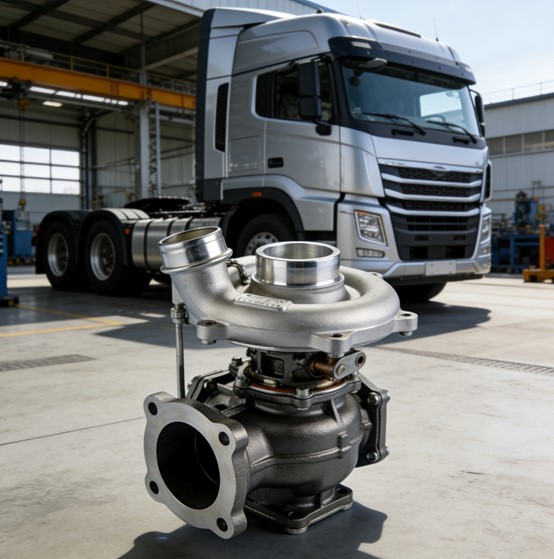
What do truckers fear the most? It’s not traffic jams or rising fuel prices, but breaking down on the road. The "heart" of a semi-truck is its engine, and the "lungs" of the engine are the turbocharger. Once this thing breaks down, the truck immediately becomes a "limp dishrag"—no power for climbing hills, skyrocketing fuel consumption. Not only do you end up working a whole trip for nothing, but the repair costs can also be several thousand yuan, or even over ten thousand. Choosing the right supplier is like buying a "full attendance insurance" for your fleet. Today, we’ll talk about how to use the most practical perspective to pick a reliable partner that can accompany you on long hauls and heavy loads.
Choosing a supplier is not like buying luxury goods—it’s not about the most famous brand, but whether it "clicks" with your trucks and meets the needs of your fleet. This is the first and most crucial step in selecting the right supplier.
If your trucks are mainstream brands like Weichai, Cummins, or Sinotruk, prioritize suppliers that provide OEM-matched turbochargers. Examples include international giants like BorgWarner and Garrett (Honeywell), or domestic leaders like Hunan Tianyan and Kangyue Technology. Why? Because they are developed alongside the engine, with the most accurate data matching—install them, and you’ll get sufficient power without fault codes. Aftermarket parts are cheaper, but they have large tolerances, which can easily lead to oil leaks and unstable pressure. In the long run, the money you save may not be enough to cover the losses from vehicle breakdowns.
Now we’re in the National VI era, and turbochargers are no longer clunky iron blocks—they’re full of electronic control valves and sensors. Suppliers must understand electronic control and be able to handle new issues like DPF regeneration and after-treatment system alarms. Avoid small workshops still stuck in the "replace the iron shell" mindset; otherwise, the fault light will come on frequently, and even service stations won’t be able to find the cause.
The biggest fear for fleets is "waiting for parts." Does the supplier have stock on hand? Does it cover a full range of truck models? For example, if your fleet has both Jiefang J6P and Auman GTL, can the supplier get both models ready with just one phone call? Suppliers that require on-order production and a 3-5 day wait can be directly passed on in the time-sensitive logistics market.
Turbochargers are precision parts, and installation techniques and debugging standards directly affect their service life. For our fleets, whether a supplier can follow up after selling the product and help in emergencies is much more important than being a few hundred yuan cheaper—that’s the key to testing if a supplier is reliable.
If a truck breaks down at a highway service area, can the supplier provide a diagnosis plan within 2 hours? Will they remotely guide the driver to check for air leaks in the pipeline, or immediately send a nearby maintenance point with parts for rescue? Those with unanswerable calls, delayed WeChat replies, or who only say "tow it to the shop" should be firmly rejected. In fleet management, time is money—delaying one day can cost thousands of yuan.
A good supplier’s technician can almost accurately judge whether it’s aturbocharger jam or an intercooler leak just by hearing the driver describe "lack of power and black smoke." They can even guide the driver to pull a pipe or measure pressure via video to get the truck moving to a repair shop first, instead of letting it break down completely. This kind of technical capability is much more important than being two hundred yuan cheaper.
Don’t just listen to salespeople boasting about a "one-year warranty"—check the details. Does it only cover the part itself, or does it also cover engine cylinder scuffing and after-treatment blockage caused by turbocharger failures? Reliable suppliers dare to promise, "We will bear the collateral losses caused by the quality of our products"—that’s true confidence. Those who make excuses like "it’s because your engine oil is bad" when problems occur during the warranty period should be blocked immediately.
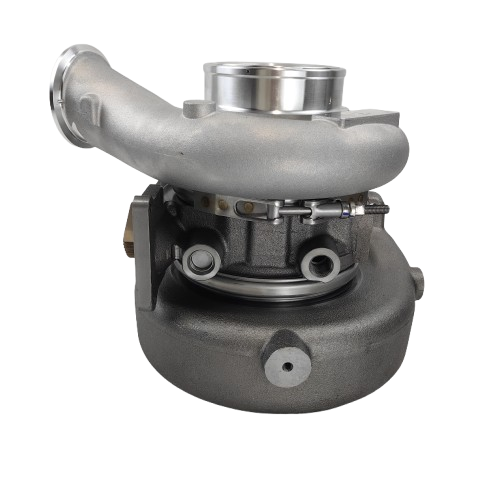
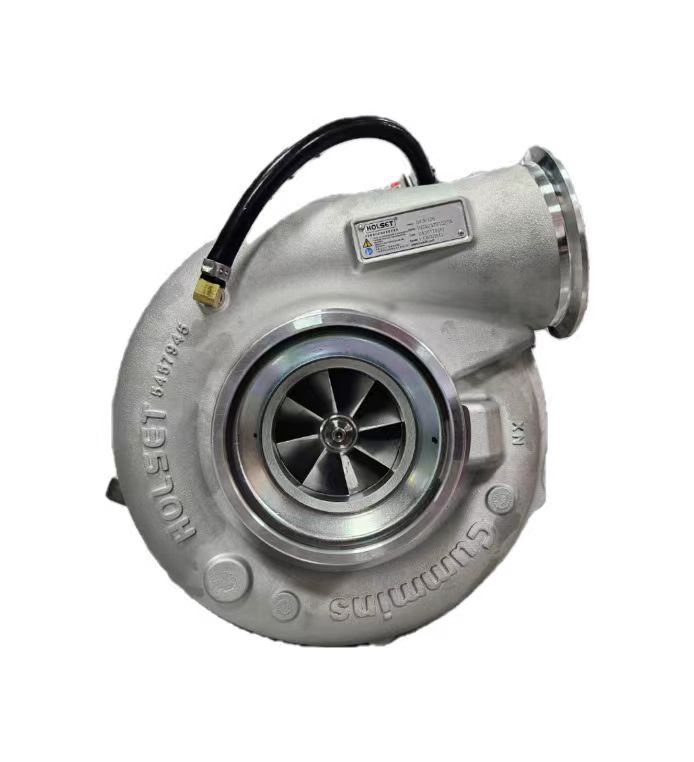
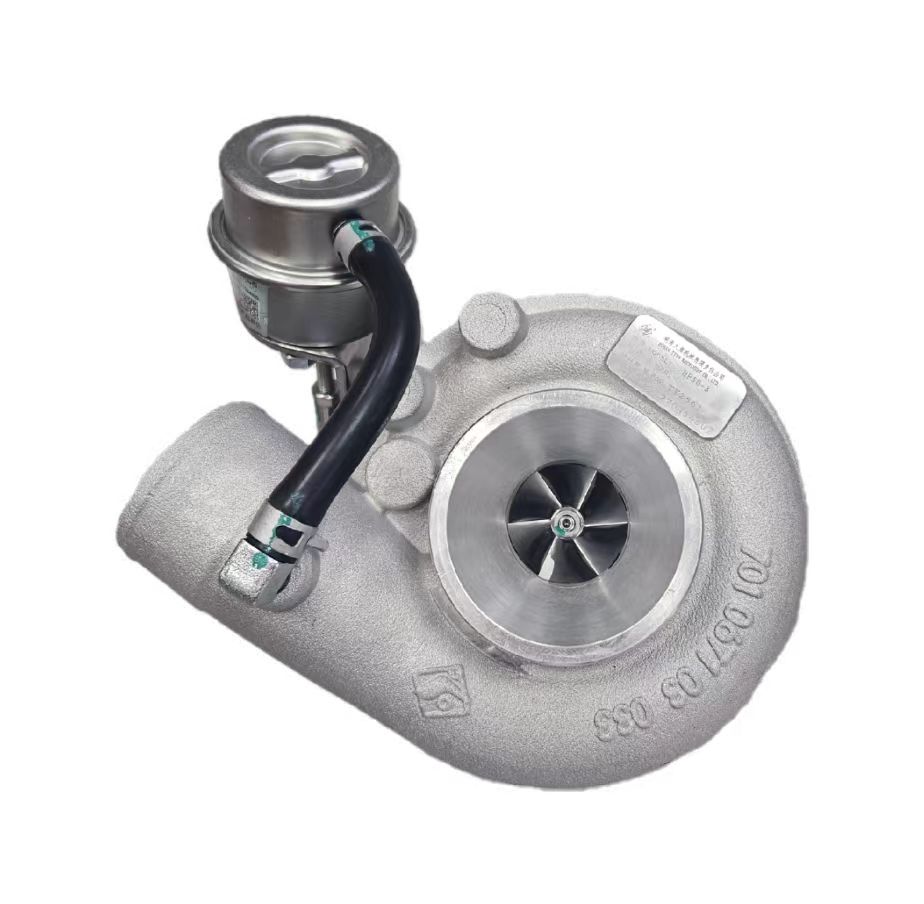
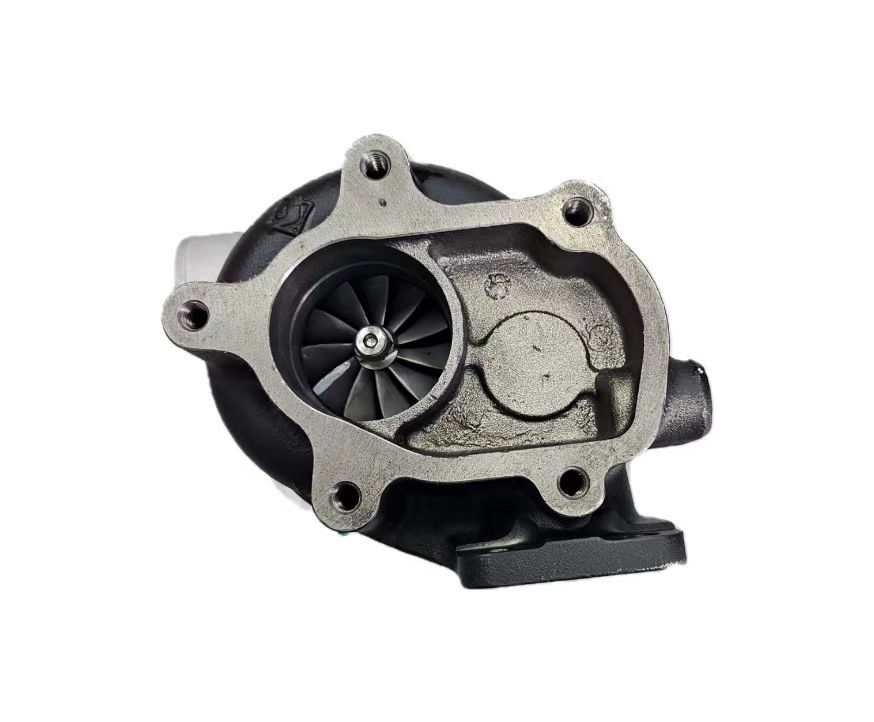
Choosing a supplier shouldn’t be based on appearances alone. You need to calculate the cost clearly to avoid being misled by low prices, and also keep an eye on details to avoid hidden pitfalls. Only in this way can you select a long-term reliable partner and make your fleet have fewer problems and more profits.
Purchasing shouldn’t just look at the number on the invoice—you need to calculate how long the turbocharger will last and how much fuel it will save after being installed on the truck. An OEM turbocharger costs 8,000 yuan and can last 800,000 kilometers; a no-name turbocharger costs 3,000 yuan but fails after 200,000 kilometers, plus 2,000 yuan in labor costs. Let’s do the math: for 800,000 kilometers, using OEM parts costs 8,000 yuan; using no-name parts requires 4 replacements, totaling 3,000×4 + 2,000×4 = 20,000 yuan! So, when purchasing, take "cost per kilometer" as the core indicator—don’t be greedy for short-term gains and suffer long-term losses.
A good turbocharger has high supercharging efficiency, sufficient air intake, and full combustion. Test data shows that high-quality turbochargers can save 1-2 liters of fuel per 100 kilometers compared to inferior ones. Based on 200,000 kilometers per year, you can save tens of thousands of yuan just on fuel. The money saved is enough to buy two OEM turbochargers—choosing high-quality products is the most cost-effective in the long run.
There are many "refurbished parts" on the market at very low prices, and this area is full of risks. If they are formally remanufactured by large factories with strict testing standards and new bearings and oil seals, they are indeed cost-effective; but if they are simply cleaned and painted by small workshops with serious internal wear, installing them is like a ticking time bomb. In addition, pay attention to the supplier’s response speed, shipping logistics, and whether it has a fixed office address and formal qualifications to avoid "shell companies"—these details can help you judge if a supplier is reliable.
The circle of fleet operators is actually small—ask your peers and other fleet owners around you. Their real feedback is much more reliable than what the supplier says. At the same time, compare quotes, qualifications, and after-sales services from multiple suppliers. Don’t be greedy for low prices or superstitious about high prices; prioritize suppliers that have long-term cooperation with large fleets. This way, you can avoid pitfalls to the greatest extent.
Conclusion: Choosing a turbocharger supplier is like finding a "family doctor" for your fleet. It’s not about who offers the cheapest "medicine," but who has excellent skills, is available on call, and can prevent problems before they occur. Remember this formula: Reliable Supplier = OEM Quality Compatibility + 24/7 Responsiveness + Truly Fuel-Saving Longevity. Stick to these three points, keep an eye on details, and calculate the books clearly—your fleet will run more stably, farther, and more profitably in the busy traffic.
Finally, I wish all fleet owners can find a reliable semi-truck turbocharger supplier, with smooth fleet operations, booming business, and safe and fruitful trips every time!