chris@alfredturbo.com
+86-18112348562
Language
Please Choose Your Language

Views: 29 Author: Site Editor Publish Time: 2026-03-23 Origin: Site


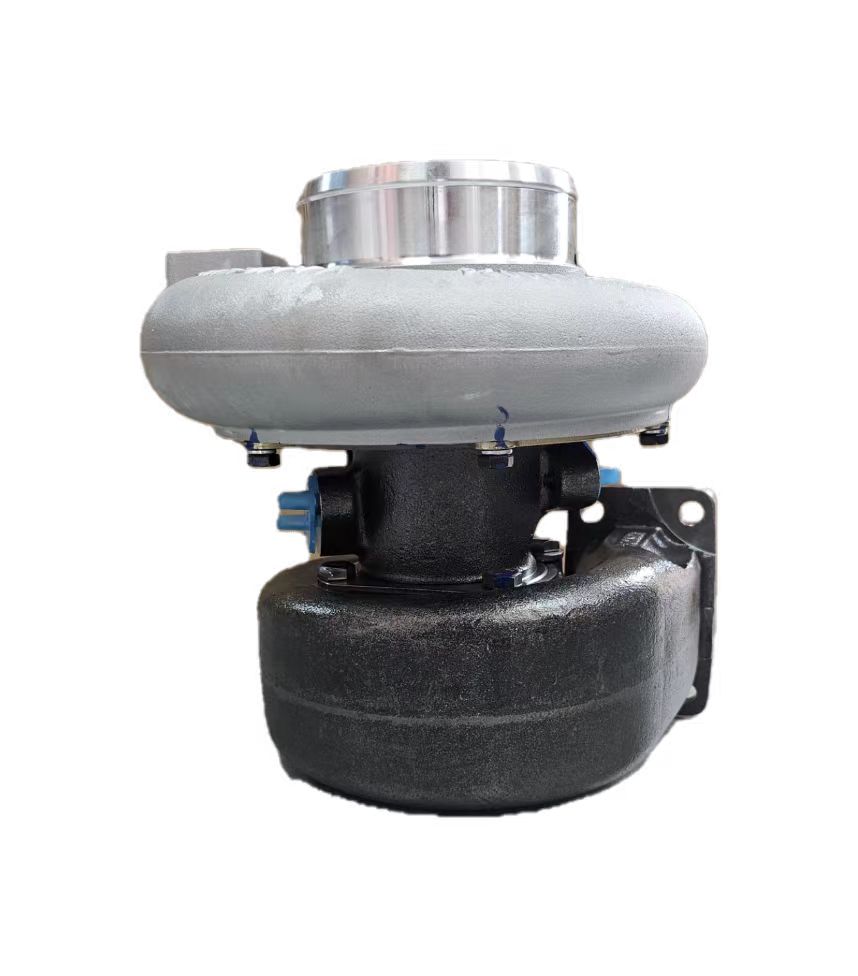
When running long hauls with heavy loads, the engine is our lifeline. And the turbocharger is the guy that "boosts" this lifeline—it’s also like the "lungs" of our tow truck. Choose the right one, and climbing hills will be as smooth as walking on flat ground, saving fuel and hassle; choose the wrong one, and it’ll be like "a small horse pulling a big cart"—roaring but not moving, and wasting money. Today, we won’t talk about those complicated jargon. We’ll use plain language to break down everything you need to know about choosing a reliable turbocharger for your heavy-duty tow truck. Whether you’re an old driver or a newbie to heavy-duty tow trucks, you’ll be able to understand and use this guide.
There are all kinds of turbochargers on the market, ranging in price from a few thousand yuan to tens of thousands of yuan. How do us ordinary guys choose? We’re afraid of overspending and losing out, afraid of buying cheap ones that don’t last, and even more afraid of buying the wrong one that damages the engine. Today, this guide will explain everything step by step—from the basic understanding of turbochargers, prerequisites for purchase, core points, pitfalls to avoid, to installation and maintenance. After reading it, you’ll be confident to buy a turbocharger without wasting money or stepping into traps.
Some truck drivers might say, "My original turbo works fine, so why bother choosing a high-performance one?" It’s not that the original one is bad, but the working environment of our heavy-duty tow trucks is extremely special—we pull loads of tens of tons, drive on all kinds of roads (highways, mountain roads, and bumpy rural roads), and the engine is under high load all year round. At this time, a good turbocharger is not just a "nice-to-have" but a "must-have."
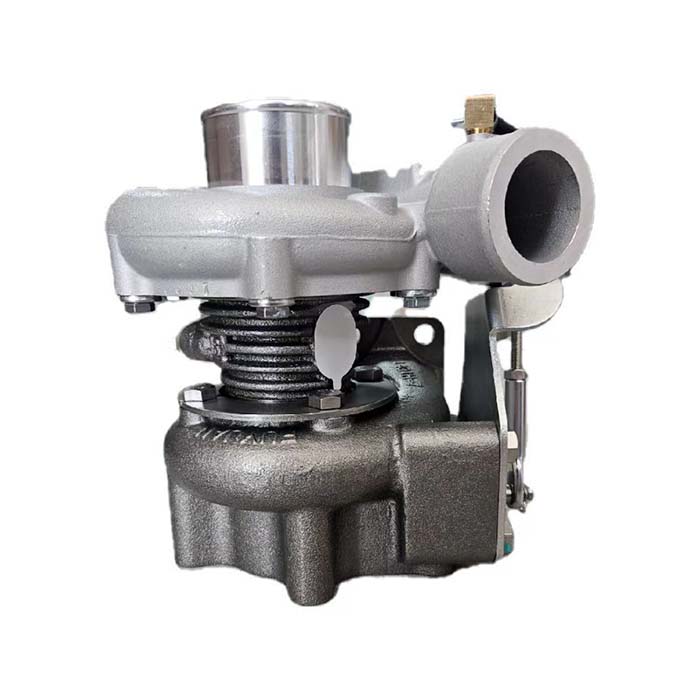
Let me put it in plain terms: A turbocharger is essentially an "air compressor." The exhaust gas from the engine (after burning fuel) isn’t directly discharged. Instead, it first blows a "small windmill" (the turbine), which is connected to a "big fan" (the compressor) on the other end. When the big fan spins, it forces fresh air into the engine, making the fuel burn more fully and naturally boosting the power.
Why do heavy-duty trucks have to use turbochargers? The reason is simple: Pulling tens of tons of cargo requires the engine to suck in a huge amount of air to fully burn the fuel. Natural aspiration is simply not enough. Only with the turbocharger forcing air into the engine can it unleash that brute force, giving you confidence when overtaking on the highway or starting on a slope. Moreover, a good turbocharger brings us three real benefits:
When we drive on mountain roads, the most frustrating thing is the truck lacking power—stepping on the gas pedal to the floor, but the truck still crawls slowly, not only wasting time but also fuel. A high-performance turbocharger allows the engine to take in more air, directly boosting power significantly. Whether climbing hills with heavy loads or overtaking on the highway, it can handle it easily, no more struggling.
Many truck drivers think that a turbocharger with high power must be fuel-guzzling? Actually, the opposite is true. A good turbocharger makes fuel burn more fully, without wasting excess fuel. We run long hauls all year round, driving hundreds or even thousands of kilometers a day. Saving 1-2 liters of fuel per 100 kilometers adds up to enough money to cover the cost of the turbocharger in a year—that’s real profit.
The engine of our tow truck is expensive, costing tens of thousands of yuan to repair. A high-performance turbocharger is more exquisitely made and runs more stably, reducing engine wear and avoiding problems like carbon deposits and overheating caused by insufficient air intake and incomplete combustion. It’s like putting a "protective cover" on the engine, allowing it to run for more years and require fewer repairs.
On the other hand, if you choose a low-quality, mismatched turbocharger, you’ll be in big trouble: power won’t increase much, but fuel consumption will soar; the turbocharger will break easily, often making abnormal noises or leaking oil, and each repair will cost another sum of money; more seriously, an unqualified turbocharger will cause unstable engine air intake, which will directly damage the engine in the long run, forcing you to spend a lot of money on engine repairs—it’s not worth it.
Many truck drivers choose turbochargers just because someone says "this brand is good" or "that model works well," then end up with one that’s either mismatched with their tow truck or uncomfortable to use. In fact, before choosing a turbocharger, don’t rush to look at brands or prices. First, understand your own needs and these 3 key questions, so you can choose accurately without following the crowd blindly.
This is the most crucial point. Different working conditions require different turbocharger performance. For example, if you pull heavy loads (over 30 tons) all year round and mainly drive on mountain roads or slopes, you need a turbocharger with strong power, high temperature resistance, and strong load-bearing capacity—focus on its "load capacity" to ensure it can run under high load for a long time without breaking down. If you mainly drive on highways and don’t pull particularly heavy loads, you can choose a turbocharger that balances power and fuel efficiency, no need to pursue extreme power, otherwise it will only waste fuel.
In addition, if you often drive in plateau areas, you must choose a turbocharger suitable for plateau environments. Because the air is thin at high altitudes, ordinary turbochargers will suffer from insufficient air intake and power loss. A turbocharger specially designed for plateaus can adapt to thin air, ensuring power doesn’t drop and preventing the truck from breaking down on the plateau.
This can’t be ignored! Buying a turbocharger is not like buying clothes—you can’t just pick what looks good. You must strictly follow your engine model. Turbochargers and engines are "matching partners"; not all turbochargers can be installed on your tow truck. Different engine models have different air intake and displacement, requiring different turbocharger specifications. For example, if you have a Cummins ISX15 or a Weichai WP13, the corresponding turbocharger interface, size, and pressure are vastly different. Buying the wrong one will either not fit, or cause insufficient power (with black smoke) if installed, or even directly damage the engine (cylinder scuffing or bearing damage) due to incorrect pressure.
How to check your engine model? It’s simple: Open the engine compartment of your tow truck, and you’ll see a nameplate on the engine with the model clearly marked; or check your vehicle license, which also has relevant information. When choosing a turbocharger, be sure to tell the merchant your engine model and ask them to recommend a suitable model. Don’t buy blindly—if it doesn’t fit or can’t be used, you’ll waste money. If you want to save trouble, directly choose the original matching brand. For example, Cummins engines match Holset, and Weichai engines match Fuyuan or Tianyan. Although original parts are a bit more expensive, they have the highest matching degree and longest service life, saving you the trouble of later adjustments.
We drive tow trucks to make money, so budget must be considered. There is a huge price gap between heavy-duty tow truck turbochargers on the market, ranging from cheap aftermarket parts (a few thousand yuan) to original parts or imported parts (tens of thousands of yuan). We don’t need to blindly pursue the "most expensive," nor buy the "cheapest." We should choose the one with the highest cost performance based on our budget and working conditions.
Generally speaking, if you pull heavy loads for a long time and drive in harsh conditions with sufficient budget, it’s recommended to choose original parts or genuine parts from well-known brands. Although they are more expensive, they are reliable in quality, easy to use, and not easy to break—saving you money in the long run. If you don’t use your tow truck often, don’t pull heavy loads, and have a limited budget, you can choose cost-effective aftermarket parts, but be sure to choose those with good reputation and reliable quality. Don’t buy cheap, low-quality ones (only a few hundred or a few thousand yuan) that break down in a few days—it will end up costing you more money.
After understanding your needs and budget, the next step is specific purchasing. Whether you choose original parts or aftermarket parts, or any brand, first understand these 3 core indicators, then check these 5 key points—all are indispensable, helping you avoid 80% of the pitfalls.
First, let’s talk about the 3 core indicators. Don’t just listen to merchants boasting about "maximum boost pressure"—those are extreme data. What we care about for pulling cargo is durability, reliability, and strong low-end torque:
Low-end torque response (don’t just look at maximum horsepower): The most feared thing when pulling heavy loads is weak starting and power loss in the middle of a slope. So low-speed torque is more important than high-speed horsepower. Currently, Variable Geometry Turbines (VGT) are mainstream. At low speeds, they narrow the exhaust gas channel, making the exhaust gas more powerful and the turbine spin faster. This allows the engine to exert maximum torque at around 1200 rpm, making starting and climbing hills extremely powerful. If you often drive on mountain roads, be sure to choose one with VGT technology.
2. High temperature resistance: The working environment of a heavy-duty truck turbocharger is like "purgatory"—exhaust gas temperature can reach 700-800 degrees Celsius. The key is the material of the turbine impeller. Ordinary cast iron is prone to thermal deformation. Now, better ones are made of high-nickel alloy or heat-resistant steel, which are bright and white in color and more durable. Don’t be greedy for cheap and buy those black iron lumps—they are prone to cracking under high temperature during long hauls.
3. Bearing technology (determines service life): The turbine rotates at hundreds of thousands of revolutions per minute, supported entirely by the bearing in the middle shaft. Full-floating bearings are currently mainstream for heavy-duty trucks—suspended by an oil film, they have good impact resistance and are suitable for heavy loads. Some high-end products use ball bearings, which have less friction and faster response but are more expensive. Remember one thing: Use high-quality engine oil—low-quality engine oil is the "number one killer" of bearings.
Now, let’s talk about the 5 key points that even newbies can easily master:
In addition to the engine model, check whether the turbocharger’s interface size and air intake match your tow truck. Some merchants recommend "universal" turbochargers, saying "they fit all tow trucks"—be cautious about these. Their compatibility is definitely not as good as dedicated ones. Installing them may lead to insufficient power, increased fuel consumption, and even engine damage in the long run.
A high-quality turbocharger has a smooth, flawless shell with uniform color, thick and smooth impeller blades that spin smoothly without jamming or abnormal noise, and a finely crafted interface with good sealing. A low-quality one has a rough shell with burrs, thin and easily deformable blades, and a large gap at the interface, which is prone to air and oil leakage—you can tell with the naked eye.
Prioritize brands with good reputation and high popularity: International brands (Holset, Garrett, BorgWarner) have top technology and are suitable for car owners who don’t mind spending more and pursue extreme reliability. Domestic first-tier brands (Tianyan, Fuyuan, Kangyue) offer high cost performance, mature technology, and are the first choice for most truck drivers. Try not to buy no-name brands—they are produced by small workshops without quality inspection, and no one will be responsible if they break down.
A high-quality turbocharger generally has a warranty period of 1-2 years or about 100,000 kilometers, covering its own quality problems (such as abnormal noise, oil leakage, and blade damage). For these issues, the merchant will provide free repair or replacement. A low-quality turbocharger either has no warranty or a short warranty period, and the merchant will make various excuses and refuse to handle problems when they occur. Also, ask clearly whether you can return or exchange the product if there is a compatibility issue after installation.
The price range for cost-effective heavy-duty tow truck turbochargers is about 3,000-8,000 yuan, suitable for most truck drivers. If you have sufficient budget and pursue better performance and stability, choose original parts or imported parts above 8,000 yuan. If you have a limited budget, don’t buy those below 3,000 yuan—most are low-quality products.
Whether buying online or offline, you’ll always encounter unscrupulous merchants trying to trick you. Don’t buy these 3 types of turbochargers, no matter how cheap they are—you’ll definitely regret it:
Unscrupulous merchants refurbish and repaint old, damaged turbochargers and sell them at a price lower than the market price. They look new on the surface, but the internal blades and bearings are severely worn. They will make abnormal noises or leak oil in a few months, and there is no warranty—you’ll have to bear the cost of repairs yourself if they break down. How to distinguish: Check the details. A new turbocharger has a smooth surface without scratches, no disassembly marks at the interface, and a verifiable original anti-counterfeiting mark. A refurbished one has slight scratches, disassembly marks, uneven paint, and no anti-counterfeiting mark or a fake one that can’t be verified.
Produced by small workshops, they have poor materials and craftsmanship, and no quality inspection. After installation, they are prone to insufficient power, abnormal noise, oil leakage, and even engine damage. There is no after-sales service if they break down, and the cost of repairing the engine is more than the cost of the turbocharger—don’t buy them no matter how cheap they are.
Although they can be installed, their compatibility is poor, leading to insufficient engine air intake, incomplete combustion, reduced power, increased fuel consumption, and long-term damage to engine cylinders and pistons—it’s not worth it. No matter how merchants trick you, never buy one that is not clearly compatible with your engine model.
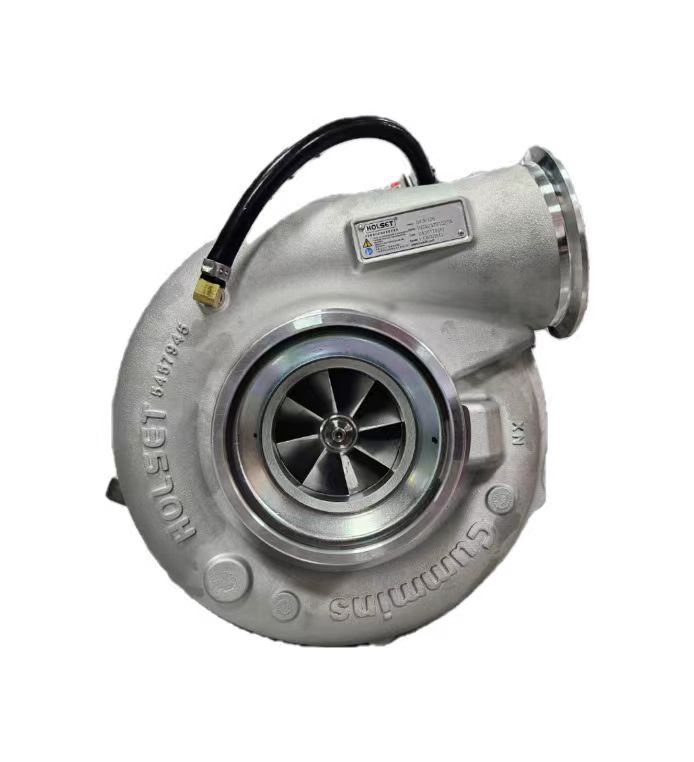
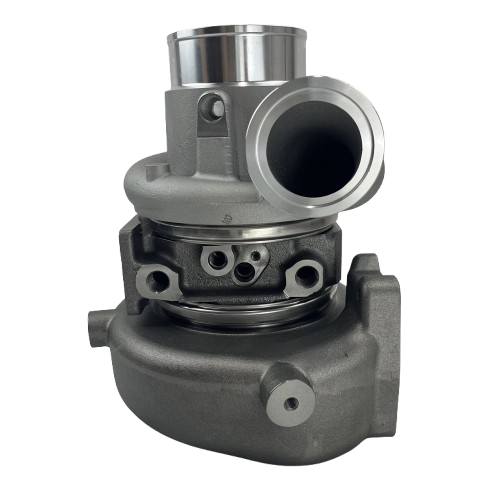
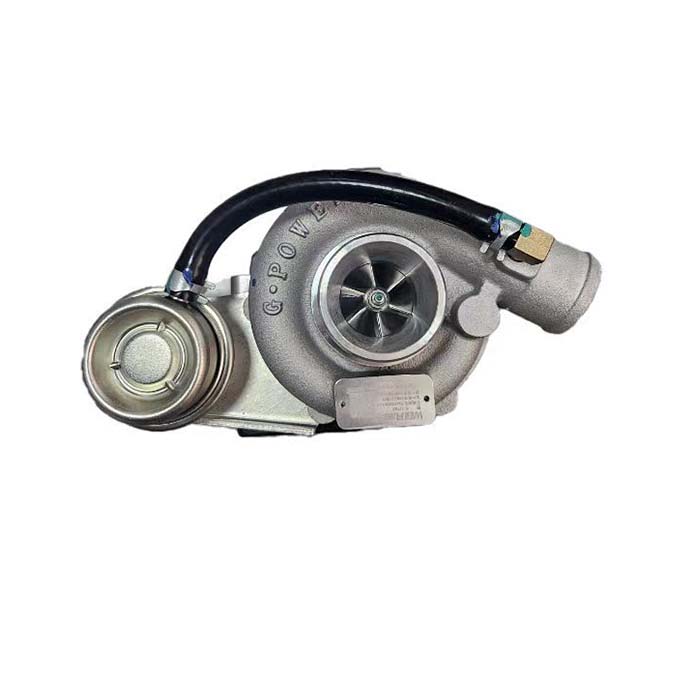
Choosing the right turbocharger is not enough. Correct installation and later maintenance can make the turbocharger last longer and run more stably. Many truck drivers buy high-quality turbochargers but cause them to break down in advance due to improper installation and insufficient maintenance—it’s a pity. The following precautions are in plain language, easy to understand:
First, installation: Be sure to find a professional repairman—don’t do it yourself or go to an unprofessional small workshop.
Installing a turbocharger requires precise interface alignment, air intake adjustment, and good sealing. Unprofessional installation is likely to cause loose interfaces and poor sealing, leading to abnormal operation of the turbocharger and even engine damage. Before installation, check whether the turbocharger’s interface and blades are intact. After installation, start the truck and test it to ensure there are no abnormalities (such as abnormal noise or oil leakage) and the power is normal before hitting the road. In addition, you must clean the air intake pipeline before installation, removing any residue from broken blades of the old turbocharger—otherwise, the new turbocharger will be damaged as soon as it starts.
Then, later maintenance: Remember the "three frequents" + 2 notes:
Frequently change engine oil: Choose high-quality, suitable engine oil and replace it regularly according to the tow truck’s maintenance manual. The turbocharger bearing relies on engine oil for lubrication and heat dissipation. Low-quality engine oil or long term non-replacement will cause severe bearing wear and scrapping.
2. Frequently replace the air filter: The air filter is the first line of defense for the turbocharger. Especially in desert areas, a clogged air filter will cause insufficient air intake, making the turbocharger run at full load and easily damaged. Clean it every 5,000-10,000 kilometers, and replace it in time if it’s damaged.
3. Frequently listen for noises: A normal turbocharger makes a steady "whooshing" sound. If you hear a sharp metal friction sound or a "clanging" abnormal noise, stop the truck immediately for inspection—it’s most likely that the blades are rubbing against the shell or the bearing is damaged.
4. Note cold start and shutdown: After a cold start, idle for 3-5 minutes to allow the engine oil to fully lubricate the turbocharger before driving at high speed. After pulling heavy loads, idle for 2-3 minutes to let the turbocharger cool down before shutting down—don’t shut down immediately, as this will stop the engine oil circulation, leaving the turbocharger uncooled and easily damaged by high temperature. Many new trucks have an automatic delayed cooling function, but for old trucks, you have to develop this habit yourself.
5. Note regular inspection: Regularly check the turbocharger’s sealing condition. If you find air or oil leakage, have it repaired in time—don’t delay. At the same time, avoid long-term high-load operation. When running long hauls, take appropriate breaks to let the turbocharger and engine cool down.
After saying so much, some truck drivers may think it’s complicated. In fact, it boils down to 3 sentences. Remember these 3 sentences, and you won’t go wrong when choosing a turbocharger:
First sentence: First understand your working conditions and engine model. Don’t follow the crowd blindly—only choose compatible ones, not "universal" or "expensive" ones.
Second sentence: Check the material and craftsmanship, choose a good brand with a good reputation, and clarify the after-sales guarantee. Don’t buy refurbished or "three-no" products.
Third sentence: Have it installed by a professional repairman, do a good job in later maintenance, use high-quality engine oil and clean air filters, and pay attention to cold start and shutdown—so the turbocharger will last longer.
Finally, I want to say to all truck drivers: It’s not easy for us to drive heavy-duty tow trucks, and every penny we earn is hard-earned. When choosing a turbocharger, don’t be greedy for cheap. Spend a little more time and learn a little more knowledge to choose a suitable, reliable turbocharger. It will not only save you a lot of money on fuel and repairs but also make your transportation more worry-free and safe. I hope this buying guide can help every truck driver who drives a heavy-duty tow truck. Wish you a safe journey, prosperous business, and a full load on every trip!