chris@alfredturbo.com
+86-18112348562
Language
Please Choose Your Language

Views: 38 Author: Site Editor Publish Time: 2026-03-09 Origin: Site


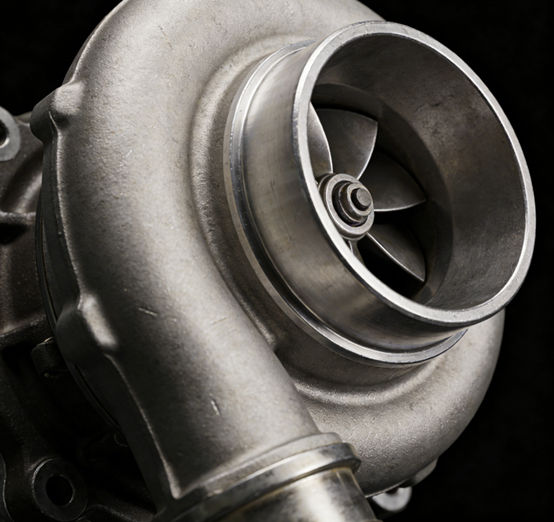
Within the vast industrial chain of road transportation, there is a small component that directly determines a truck’s power, fuel consumption, and emission compliance: the turbocharger. If a truck engine is its "heart", the turbocharger is the core organ that supplies powerful oxygen to the heart. By recycling exhaust gas and compressing intake air, it allows fuel to burn more efficiently, keeping the truck performing at its best under heavy loads, steep climbs, and long-haul transportation.
Recent global market research data clearly indicates that the global truck turbocharger market will enter a steady growth cycle from 2025 to 2030. It is no longer a mere "accessory demand" but has become an essential core component in the commercial vehicle sector. Using plain and easy-to-understand language, this article analyzes the demand logic, market landscape, technology trends, and industry opportunities of truck turbochargers over the next five years, helping logistics fleets, distributors, maintenance professionals, and industry enthusiasts understand the huge market behind this small component.
From a global market perspective, the global truck turbocharger market will maintain a compound annual growth rate of over 5% from 2025 to 2030, with both market size and demand rising sharply. By 2030, global demand for commercial vehicle turbochargers will exceed 40 million units, of which heavy-duty trucks will account for more than 65%, acting as the core driver of growth. Light-duty and medium-duty trucks will serve as supplements, jointly supporting the huge market base.
Unlike passenger car turbochargers, truck turbochargers operate in more extreme conditions: continuous high-load operation, hundreds of thousands of kilometers of service life, and all-weather performance on complex roads. This means demand comes not only from original equipment for new trucks but also from the massive aftermarket replacement sector. Tens of millions of trucks in service worldwide generate millions of replacement units every year. Coupled with new vehicle assembly, the phase-out of old trucks, and adaptation to new energy models, multiple factors have made truck turbochargers one of the most certain growth tracks in the commercial vehicle industry chain over the next five years.
Many people wonder why turbochargers have evolved from "optional parts" to "standard essentials". This is not a sudden boom but a result of four combined forces: environmental policies, logistics development, vehicle upgrades, and energy transformation—each targeting the core needs of truck operations.
Environmental regulations are the primary core driver of turbocharger popularization. Strict global emission standards such as the EU Euro VII, US EPA, China 6b, and the upcoming China 7 have set extremely demanding requirements for truck exhaust emissions and fuel consumption. Without the assistance of a turbocharger, traditional engines simply cannot pass environmental inspections.
The core function of a turbocharger is to greatly improve intake efficiency without increasing engine displacement, allowing fuel to burn more fully—boosting power while reducing fuel use and pollutant emissions. Data shows that trucks equipped with high-efficiency turbochargers can reduce fuel consumption by 10%–15% and cut emissions of nitrogen oxides, particulate matter, and other pollutants by more than 30%. At present, the turbocharger assembly rate for newly produced heavy-duty trucks worldwide is nearly 100%, and for light-duty trucks it exceeds 70%. Policies have directly turned turbochargers into a "factory standard" for trucks.
The continuous development of global e-commerce, cross-border trade, cold-chain logistics, and infrastructure projects has increased the number of trucks year by year. Cost control has become a core priority for logistics fleets, and fuel expenses represent the largest operating cost for trucks.
New-generation turbochargers, especially technologies such as variable geometry turbochargers and electrically controlled turbochargers, enable engines to maintain optimal efficiency at idle, during climbing, and at high-speed cruising—truly delivering "more power with less fuel". For a long-haul heavy-duty truck traveling over 100,000 kilometers per year, saving just one liter of fuel per 100 kilometers can cut costs by thousands of yuan annually. These tangible benefits make fleet owners and individual drivers willing to pay for high-performance turbochargers, directly driving market demand.
Countries worldwide are vigorously promoting the elimination of old, high-emission trucks. Markets such as China, India, and Southeast Asia phase out millions of old trucks meeting China 3, China 4, or lower standards each year, replacing them with new vehicles compliant with latest emission rules.
All these replacement vehicles require high-performance turbochargers, directly creating massive incremental demand. Emerging markets, in particular, are in the early stages of infrastructure and logistics development, with rapid truck upgrades, making them a "new blue ocean" for turbocharger growth and keeping market demand consistently high.
Many people mistakenly believe that electric trucks will make turbochargers obsolete. On the contrary: new energy trucks have not eliminated turbochargers but broadened their application scenarios.
Extended-range and hybrid heavy-duty trucks still rely on turbochargers to improve engine thermal efficiency, solving the pain points of short range and slow charging for pure electric heavy trucks. As a popular choice in the current heavy truck market, LNG/CNG trucks use "lean-burn" engines with extremely high intake pressure requirements, making them more dependent on turbochargers than diesel trucks. Even hydrogen internal combustion engine trucks, expected to gain popularity in the future, will require dedicated turbochargers. In short, as long as trucks are equipped with internal combustion engines, turbochargers will remain indispensable core components.
From 2025 to 2030, the growth in truck turbocharger demand will be not just "more units" but "higher quality", with three distinct market shifts.
In the past, truck turbochargers only needed to meet basic boosting needs. Today, the market pursues "smart, efficient, and stable" high-end products:
Electric actuators will fully replace traditional mechanical and pneumatic controls, adjusting vane angles in milliseconds via computer chips for faster response and more precise control, delivering smoother power output for trucks;
Electrically assisted turbochargers will be deeply integrated with 48V mild hybrid systems, completely eliminating the "lag" of traditional turbochargers, providing strong torque at startup—an obvious advantage for urban delivery and short-haul transportation with frequent stops and starts.
The rapid popularization of natural gas trucks has become an important growth driver for turbocharger demand. Thanks to cost advantages and policy support, the market share of LNG/CNG heavy trucks continues to surge. Since natural gas engines require far more high-performance turbochargers than diesel engines, this has directly boosted sales of dedicated turbochargers. This trend will strengthen further as the natural gas refueling network expands.
Regional market demand varies significantly, forming a pattern of "Asia-Pacific dominance, stable Europe and Americas, rising emerging markets":
Asia-Pacific: The world’s largest market, accounting for over 42% of global share. China is the core engine, being both the world’s largest truck manufacturer and consumer. Domestic turbocharger brands are rising rapidly with obvious cost-performance advantages; India and Southeast Asia will grow at over 10%, becoming major incremental contributors;
Europe and Americas: Demand is driven mainly by "stock upgrades". New vehicle growth is slow, but strict regulations push the replacement of old turbochargers with high-end products, driving strong demand for variable geometry turbochargers, two-stage turbochargers, and other premium solutions;
Belt and Road regions (Latin America, Middle East, Africa): In the early stage of transportation equipment upgrading, these markets have strong demand for durable, low-maintenance turbochargers, making them the most promising blue-ocean markets over the next five years.
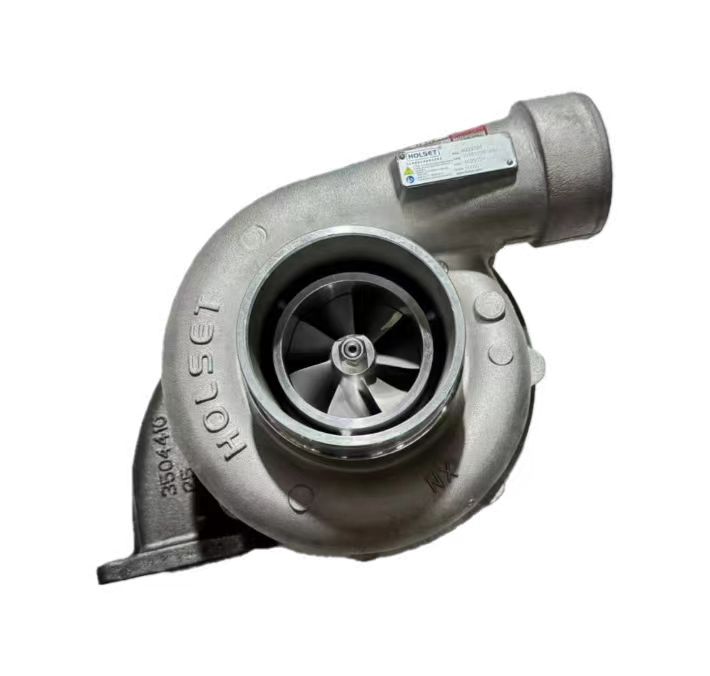
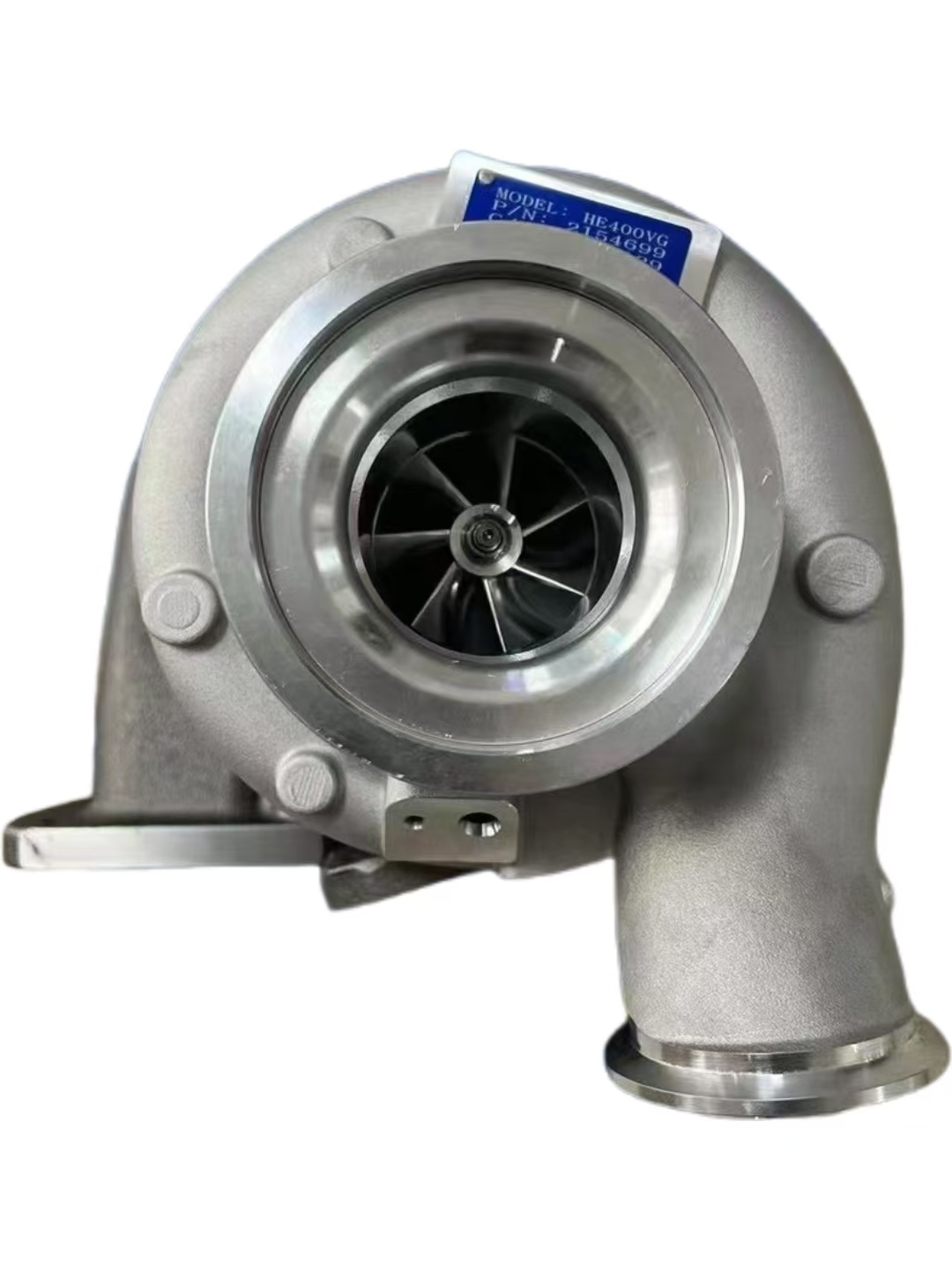
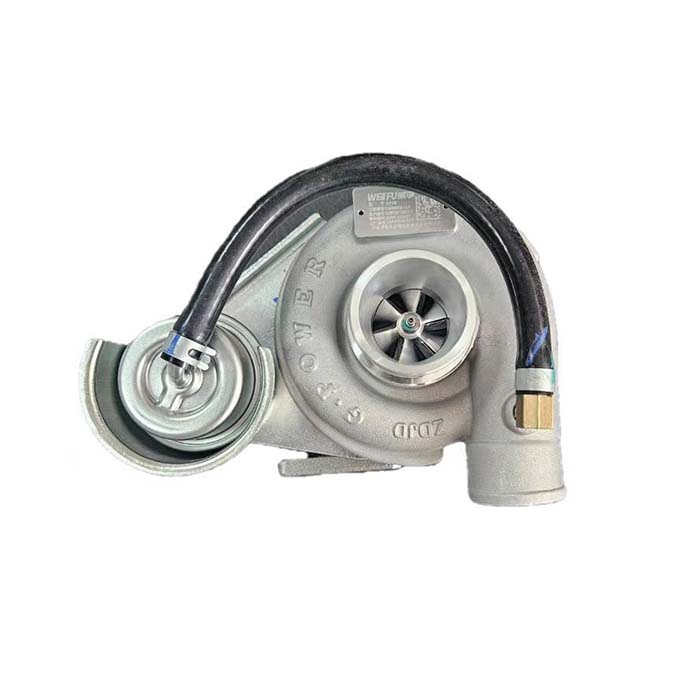
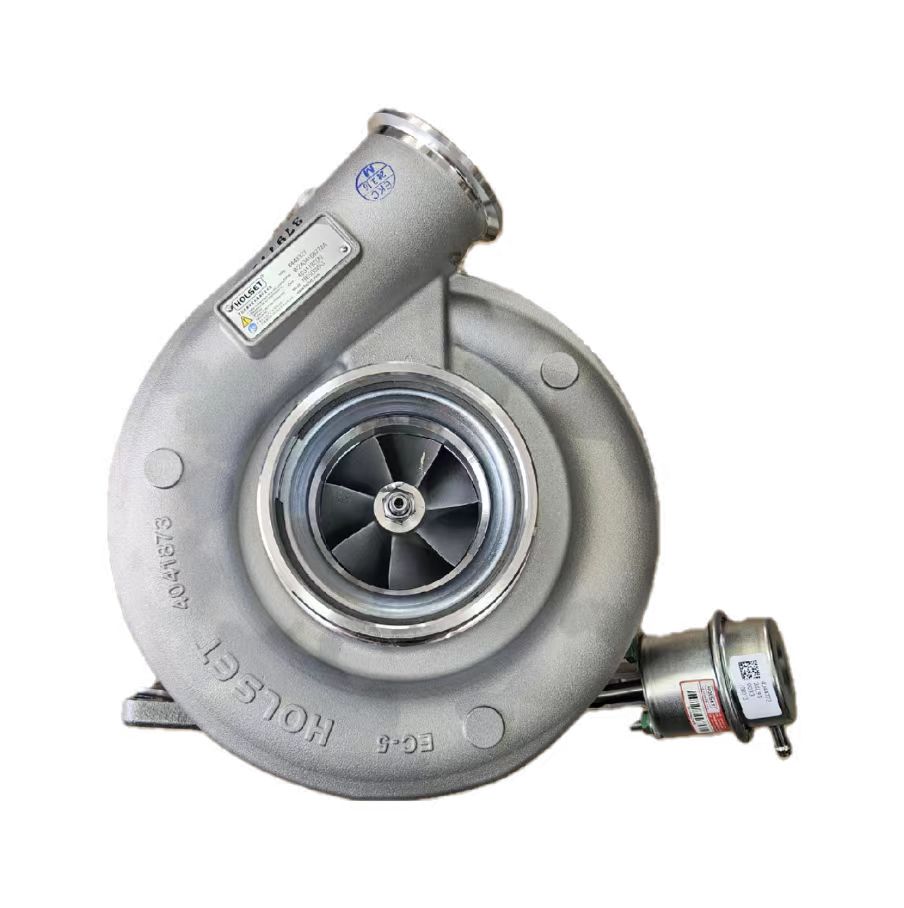
Over the next five years, technological upgrades for truck turbochargers will focus entirely on "practicality, usability, and durability". There will be no fancy black technologies, only practical upgrades tailored to real operations:
Higher efficiency: Optimized blade design and structure to deliver more power in a smaller size, matching the trend of small-displacement, high-power engines;
Longer durability: Industry service life standards will rise from 600,000 kilometers to over 850,000 kilometers, using high-temperature-resistant, wear-resistant materials such as titanium-aluminum alloys and ceramics to reduce failure rates;
Greater intelligence: Equipped with sensors connected to cloud data for full lifecycle management, enabling remote monitoring, fault early warning, and OTA updates to keepturbochargers operating at peak performance;
Specialization: Development of dedicated turbochargers for hybrid, natural gas, and hydrogen engines to adapt to the operating characteristics of different energy types.
The market opportunities for truck turbochargers lie not only in new vehicle original equipment but also in the aftermarket for repair, replacement, and upgrades—the most stable and profitable segment.
Turbochargers typically have a design life of 600,000–800,000 kilometers, meaning heavy-duty trucks need replacement after 3–5 years of operation. The global installed base of trucks ensures a steady stream of replacement demand. Meanwhile, as turbocharger technology becomes more sophisticated, self-repair grows increasingly difficult, making professional repair shops and authorized brand services the mainstream. Brands with high product reliability and fast after-sales response will seize the market.
In the past, the turbocharger market was monopolized by foreign brands. Today, domestic brands have caught up fully in technology and quality with more competitive prices, accelerating domestic substitution. Their market share is rising steadily in both original equipment and aftermarket, emerging as a new force in the industry.
Fluctuations in raw material prices affecting production costs;
A slight gap in high-end core technologies compared with international giants, with reliance on imports for some key components;
Intensifying market competition, putting small and medium-sized brands under pressure of elimination.
Explosive demand in emerging markets, making overseas expansion a new growth point for domestic brands;
Popularization of alternative fuel and hybrid trucks opening up new market space;
Continuous upgrading of emission standards driving sustained growth in high-end product demand;
Expanding aftermarket size, with branded and professional services becoming a new growth area.
For manufacturers, distributors, and maintenance shops, seizing the three cores of quality, channels, and services will ensure a firm position in the growing market.
From 2025 to 2030, driven by environmental policies, logistics development, vehicle renewal, and energy transformation, the global truck turbocharger market will achieve steady growth in both volume and price. It is no longer a simple mechanical component but a core carrier for the green, efficient, and intelligent upgrading of trucks.
In terms of market landscape, Asia-Pacific is the core, Europe and the Americas are growing steadily, and emerging markets hold unlimited potential. Technologically, efficiency, durability, intelligence, and specialization will be the mainstream. Commercially, original equipment and aftermarket will drive growth together, ushering in a golden era for domestic substitution.
The small turbocharger connects the large industries of global logistics, emission reduction, and vehicle upgrading. For truck drivers and logistics practitioners, it means more fuel-efficient, powerful, and reliable operations. For industry players, it represents a growth track full of opportunities. Over the next five years, truck turbochargers will continue to drive the global commercial vehicle industry toward a more efficient and green future with strong demand growth.