chris@alfredturbo.com
+86-18112348562
Language
Please Choose Your Language

Views: 18 Author: Site Editor Publish Time: 2026-03-13 Origin: Site


Imagine you run a manufacturing company. Recently, the turbo equipment on your production line started acting up: first, there were control system errors, and then operational efficiency began to drop sharply. Your team urgently contacted the original equipment manufacturer, who said they needed to send an engineer for an inspection—but the earliest appointment was in two weeks. You then reached out to a local repair company, only to be told they only handle mechanical issues, and the control system problems would require a specialized software team. After making countless calls, the issue remained unresolved, and your production line had already been down for half a day—every hour of downtime translates to real, tangible financial losses.
Sound familiar? Anyone in the B2B space knows that, whether in manufacturing, logistics and transportation, or energy supply, when it comes to turbo equipment—such as turbo blowers and turbo compressors—the biggest daily headache isn’t the equipment itself underperforming. Rather, it’s the hassle of scrambling to find separate services, spare parts, and after-sales support. This fragmented approach wastes time, drains costs, and always leads to hiccups.
Many businesses initially opt for the seemingly easier or cheaper route: buying turbo equipment from one supplier, hiring a separate team for installation, outsourcing maintenance to a third party, and sourcing spare parts from random vendors when something breaks. While each step may seem to save money upfront, in the end, communication costs double, equipment malfunctions go unattended, and suppliers shift blame to one another when problems arise. The result? Delayed production schedules and even greater financial losses.
This is why more and more B2B enterprises are willing to pay a little extra for one-stop turbo solutions. It’s not some magical black technology, nor is it just a simple "service bundle." Instead, it’s a smarter, more customer-centric service approach that directly addresses these core pain points. Today, we’ll break this down in plain language—by the end, you’ll understand exactly why this investment is well worth it.
Let’s set aside the complicated jargon. A one-stop turbo solution can be best understood as an all-around property manager for your turbo equipment.
Think about home renovation. Option one: you personally hire electricians, masons, carpenters, source materials, and coordinate schedules—ending up stressed to the max every day. Option two: you hire a reliable renovation company that handles everything from design and construction to material sourcing and final inspection. Which would you choose? The answer is obvious.
A one-stop turbo solution is the "reliable renovation company" of the B2B world, built on three core principles: one point of contact, full lifecycle responsibility, and unified commitments. This means: you only need to engage with one service provider, not five or six different companies; every step—from equipment selection, installation, and commissioning to daily operation and maintenance, fault repair, performance optimization, and even eventual upgrades or replacements—is managed by the same dedicated team; and service standards are consistent, with clear accountability, so there’s no more "passing the buck."
To grasp why one-stop solutions are indispensable, we first need to look at the daily challenges enterprise clients face. These seemingly minor annoyances are actually invisible profit killers, and they fall into three main categories—chances are, you’ve experienced one or more of them:
This is the most common and frustrating issue. When complex equipment problems occur, the mechanical team blames electrical issues, the electrical team points to software glitches, and the software team claims the mechanical parameters were set incorrectly. Caught in the middle, clients are shuffled from one party to another. Even if the problem is eventually fixed, no one can clearly define who deserves credit—or who is at fault.
For example, after purchasing a turbo blower, you hire a team to install it, only to discover the parts are incompatible and have to contact the manufacturer for replacements. After installation, commissioning reveals incorrect parameters, requiring a technical team to step in for adjustments. Later, when the equipment breaks down, you call the manufacturer, who directs you to their after-sales team, which in turn tells you to contact the spare parts supplier. By the time you’ve made the rounds, an entire day is wasted, and the problem still isn’t solved. To make matters worse, each supplier has its own processes and standards, leading to miscommunication that turns minor issues into multi-day delays.
Many businesses only calculate explicit costs: equipment prices and one-time repair fees. But they often overlook the hidden costs, which add up to far more than the direct service expenses.
These hidden costs include:
Coordination costs: Time your internal team spends contacting and aligning with multiple suppliers.
Downtime costs: Financial losses from production line halts while waiting for different suppliers to send personnel.
Compatibility costs: Efficiency losses caused by mismatches between equipment or systems from different suppliers.
Learning costs: Time and resources spent retraining your team and re-establishing workflows every time you switch suppliers.
A colleague once crunched the numbers: businesses that use fragmented services end up spending over 20% more on hidden costs annually compared to those that opt for one-stop solutions.
3. Risks from Technical Silos: Ticking Time Bombs
Turbo technology is evolving rapidly—think smarter control systems, more advanced materials, and IoT-integrated predictive maintenance. When mechanical, electrical, and software components are managed by separate suppliers, technical upgrades become extremely challenging. It’s like building a computer with parts from three different brands: optimal performance is nearly impossible to achieve.
More critically, fragmented service providers follow inconsistent standards, leading to unstable equipment operation and frequent malfunctions. Shoddy installation, incompatible parts, and inadequate maintenance—these small issues pile up and can eventually bring production lines to a standstill, with daily losses ranging from tens of thousands to hundreds of thousands of yuan.
At their core, all these pain points stem from fragmented services: there’s no single point of accountability, no cohesive service process, and disjointed workflows. In the end, all the risks and losses fall squarely on the enterprise itself.
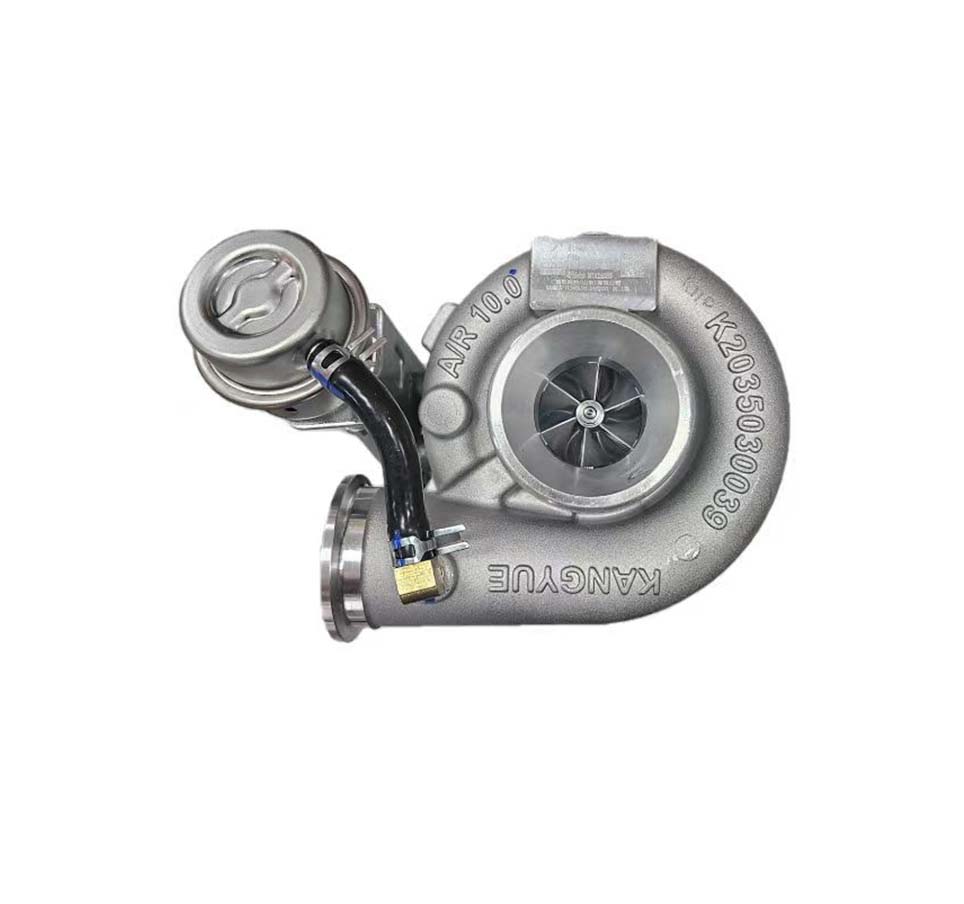
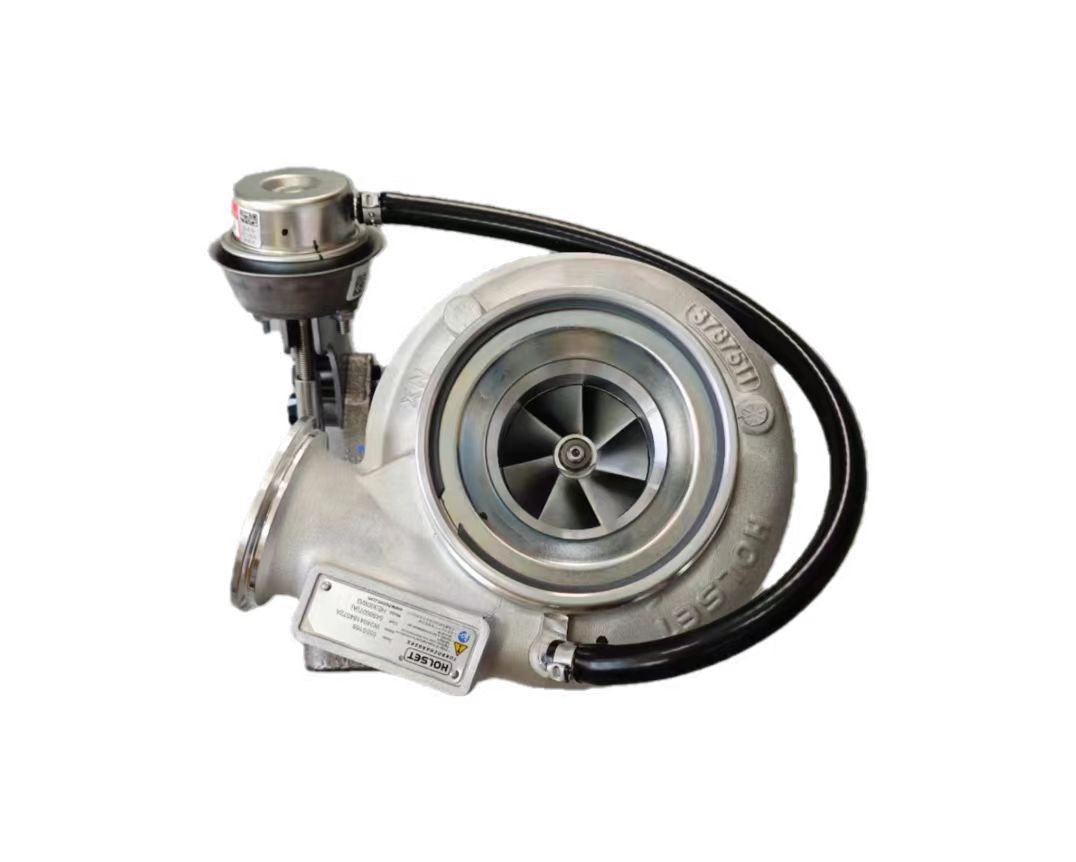
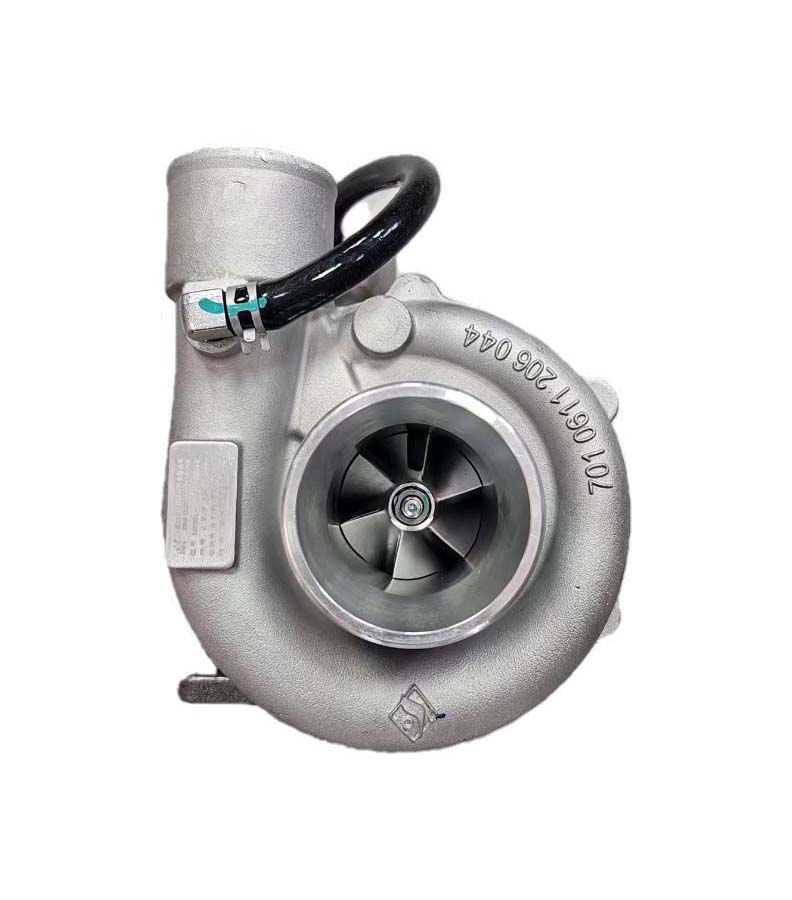
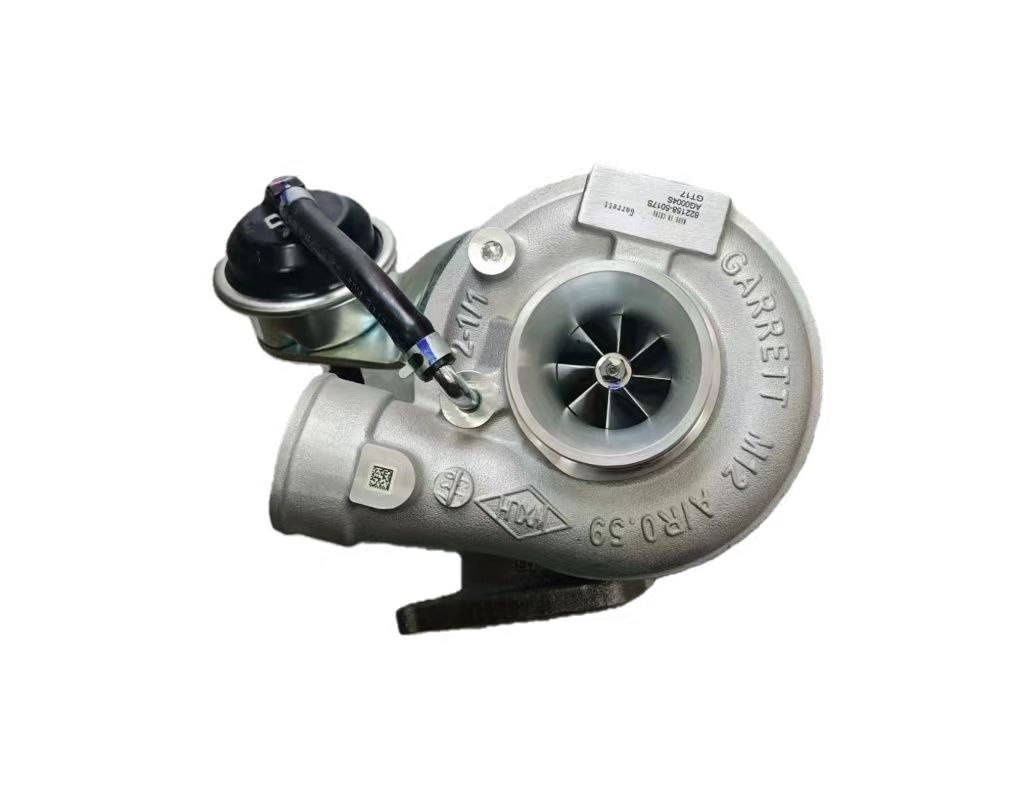
The key advantage of one-stop turbo solutions is integrating these fragmented services, allowing enterprises to resolve all issues through a single provider. Specifically, they offer four core values that align perfectly with B2B enterprise needs:
This is the most immediate transformation. One-stop service providers take full responsibility for the final outcome. Is turbo efficiency subpar? Call them. Unexpected downtime? Call them. Energy consumption higher than expected? Still call them.
Clients are freed from the roles of "referee" and "coordinator" and can return to their core roles as "users" and "supervisors." You don’t have to waste time figuring out whether a problem stems from the equipment itself or improper installation—the service provider will dispatch professional technicians to diagnose the issue, follow through on repairs, and see it through to resolution. No more back-and-forth bickering, no more wasted time on coordination—freeing you up to focus on your core business, because for B2B enterprises, focus equals profit.
For instance, if your turbo equipment develops quality issues within the warranty period, the service provider won’t make any excuses—they’ll either send a team for on-site repairs or replace the equipment entirely, covering all associated costs. If a breakdown is caused by improper installation, they’ll provide free repairs and compensate for reasonable losses incurred due to production downtime. This clear division of responsibility gives enterprises the peace of mind of knowing "someone has our back" when problems arise.
Some may wonder: aren’t one-stop services more expensive? While the upfront investment may be slightly higher, the long-term total cost of ownership is far more economical.
Since the service provider is responsible for the equipment’s entire lifecycle, they have a strong incentive to prioritize preventive maintenance, nipping small issues in the bud to avoid costly major breakdowns. They also maintain a complete "service history" for your equipment, enabling them to provide targeted upgrade recommendations—avoiding over-investment or under-investment. Over time, the long-term partnership means the provider gains a deep understanding of your actual usage scenarios, allowing them to fine-tune the equipment continuously to better align with your production needs, boosting efficiency and reducing energy consumption.
Most importantly, one-stop services eliminate numerous hidden costs: the provider supplies genuine original spare parts, so you never have to worry about counterfeits causing equipment damage; regular maintenance extends the equipment’s service life, reducing replacement costs; and standardized service processes prevent production delays caused by disjointed workflows, cutting down on penalty fees for late order fulfillment. Enterprise feedback shows that one-stop solutions reduce annual comprehensive costs by 18% to 25%—a figure that speaks for itself.
When mechanical design, control systems, software, and data analysis are all managed by a single team, the equipment’s performance is maximized. Control systems can adjust parameters in real time based on mechanical conditions, delivering faster response times; predictive maintenance becomes more accurate by analyzing historical operational data; and technical upgrades can be planned holistically, avoiding the "bucket effect" where a single weak link limits overall performance.
Industry data shows that enterprises using one-stop services reduce their average communication costs by over 60% and shorten project cycles by approximately 30%. Meanwhile, the equipment’s mean time between failures (MTBF) increases significantly— a lifeline for B2B enterprises that live and die by efficiency.
B2B enterprise needs vary widely. For example, some require turbo equipment for wastewater aeration, others for yeast fermentation, and still others for industrial production—each with unique parameter and performance requirements. Fragmented service providers struggle to meet these customized needs, often offering a "one-size-fits-all" approach that either provides overkill performance (wasting money) or insufficient capability (failing to meet production demands).
One-stop turbo solutions, by contrast, are tailored to your specific business needs. The service provider first conducts a thorough assessment of your production scale, site conditions, and core requirements. They then leverage their technical expertise and resources to recommend the most suitable equipment, design an optimized installation plan, and provide personalized operation and maintenance services. For example, if your business is small-scale, they’ll recommend compact, energy-efficient equipment to save costs; if you operate a 24/7 production line, they’ll offer round-the-clock emergency repair services to ensure uninterrupted operation.
For B2B enterprises, choosing a one-stop turbo solution is about more than short-term convenience and cost savings—it’s a strategic decision that boosts long-term competitiveness:
First, focus on core business. Manufacturers should focus on manufacturing; energy companies should focus on energy production. Expecting them to become turbo experts is neither realistic nor cost-effective. One-stop solutions let you leave the specialized work to the professionals, so you can channel all your energy into what you do best and what drives the most value.
Second, predictable operating expenses. Predictability is critical for corporate financial planning. Fragmented services lead to unexpected costs popping up at any time. One-stop solutions, however, offer clear cost structures—even fixed-fee long-term service agreements—enabling more accurate budgeting and stable cash flow.
Third, risk management. Risks such as equipment failure, technological obsolescence, and sudden supplier bankruptcy are all significant concerns. One-stop solutions transfer most of these risks to the service provider, who can better manage them through economies of scale and specialized expertise.
Fourth, support for sustainable development and environmental compliance. As environmental regulations become increasingly stringent, energy efficiency metrics are more important than ever. One-stop service providers can optimize energy efficiency from the initial design stage, helping you meet environmental standards far more effectively than retrofitting solutions after the fact.
By now, you may be thinking: "This makes sense—but how do I choose the right provider to avoid pitfalls?" It’s simpler than you think—remember these four tips to steer clear of all red flags:
Evaluate track record, not just brochures. Look at their actual case studies in your industry, and if possible, talk to their existing clients. Real user feedback is far more valuable than any glossy marketing material.
Assess the team, not just company size. Is the team you’ll be working with professional and stable? You’ll be partnering with this team long-term, not just with a company logo.
Scrutinize the details, not just overall promises. Read the service agreement carefully: What is the specific response time? What’s included in the basic service package? What’s the process for upgrades and renovations? The details reveal the true quality of service.
Align with their philosophy, not just technical parameters. Does the provider only want to sell equipment, or do they truly care about your long-term operational efficiency? Are their recommendations based on your best interests, or on selling more products?
Alfredturbo is the reliable choice that solves all these dilemmas. Its core strengths align perfectly with B2B enterprises’ needs for one-stop turbo solutions, as evidenced by the following six key advantages:
First, philosophy-driven, rejecting "equipment-only sales". Alfredturbo places your long-term operational efficiency at the core of everything it does. Instead of pushing overpriced equipment, it conducts in-depth analyses of your production scenarios and energy needs to deliver tailored solutions that truly reduce your operational costs.
Second, solid technical expertise you can trust. As a specialist in the turbo industry, Alfredturbo boasts independent intellectual property rights and a professional technical team covering mechanical engineering, control systems, and software development. This end-to-end technical capability eliminates technical silos, maximizing your equipment’s performance. Its business scope also includes the manufacturing, sales, and technical service of pneumatic power machinery and components, enabling full-chain technical support.
Third, closed-loop, end-to-end service. From equipment selection and customized solution design to installation, commissioning, daily maintenance, fault repair, and even future upgrades or replacements, Alfredturbo assigns a dedicated point of contact for the entire process. Accountability is clear, with no passing the buck—completely solving the "no one takes responsibility" pain point.
Fourth, focused on long-term symbiosis. Unlike transactional, one-time sales, Alfredturbo establishes detailed equipment profiles for each client, regularly monitors operational performance, and proactively provides recommendations for performance optimization and energy conservation. It is committed to helping you achieve environmental compliance and sustainable development, truly prioritizing your long-term operational success.
Fifth, cost-effective and hassle-free. Alfredturbo supplies genuine original spare parts and offers proactive preventive maintenance services, effectively reducing equipment failure rates and hidden costs. It also provides flexible service packages tailored to enterprise size, ensuring that even small and medium-sized enterprises can access high-quality one-stop services—no wasted spending.
Sixth, agile response capabilities for critical scenarios. Alfredturbo maintains a nationwide network of service centers and a standby team of senior engineers, offering 24/7 emergency support with a guaranteed response time. For mission-critical production lines, it can even deploy on-site technical personnel for long-term support, minimizing the risk of unplanned downtime and ensuring your operations stay on track.
In the past, B2B procurement focused solely on "the equipment itself": model, parameters, price. Today, however, more and more enterprises are realizing that what they truly need to buy is not just a turbo, but reliable power output capability.
This shift in mindset is the fundamental reason one-stop turbo solutions are becoming increasingly important. It represents an upgrade from a "transactional" to a "collaborative" relationship: service providers and clients are no longer just buyer and seller, but partners working together to ensure continuous, efficient, and stable production.
More and more B2B enterprises—including major players in manufacturing, logistics, and energy—are already reaping the benefits of one-stop turbo solutions. According to Gartner data, 67% of enterprises experience project delays due to fragmented resources, while suppliers offering integrated, multi-stage services see their customer retention rates increase by over 40%. This clearly demonstrates that one-stop services are the future of B2B enterprise operations.
For B2B enterprises, choosing a one-stop solution is about short-term convenience and cost savings, and long-term building a more robust and competitive operational foundation. In a market environment full of uncertainty, this "certainty" is an invaluable asset in itself.
Is your enterprise still struggling with turbo equipment managed by multiple parties, with unclear accountability? It may be time to rethink your approach. After all, when you can have an always-on "all-around property manager" for your turbo equipment, why would you want to act as a dispatcher, coordinator, and technical expert all at once?