+86-18112348562
Please Choose Your Language

Views: 0 Author: Alfredturbo Publish Time: 2026-04-08 Origin: Site


Hello, fellow 1986 Toyota Turbo Pickup enthusiasts and Toyota fans! If you're reading this article, you're probably as deeply in love with this classic old pickup as I am; maybe you already own one, or you're considering getting this tough guy equipped with the legendary 22R-TE engine. It's not just a practical vehicle for hauling and driving, but also an epitome of 1980s automotive culture—tough, durable, and with sufficient power, famous for its "rock-solid" quality. Even after nearly 40 years of service, it still looks imposing when driving on the road. But an old car is like an old friend; the longer you spend with it, the more care it needs. The good news is that keeping it in good condition is easier than you think. Whether you just got this "old buddy" and want to replace some parts to renovate it; or you've been driving it for many years and need simple maintenance tips to extend its service life; or you just want to keep it in top shape, this guide can help you. There are no obscure professional terms or complicated, head-scratching steps—just straightforward advice from a seasoned old car enthusiast to fellow enthusiasts, which even beginners can easily understand and follow. This guide will take you through key parts and maintenance techniques to keep your classic Toyota on the road.
For the 1986 Toyota Turbo Pickup, choosing the right parts not only makes the car run more stably, but also saves you a lot of trouble and money. After all, this is a nearly 40-year-old classic car, and some original parts have been discontinued. The parts on the market are a mess, and it's easy to buy the wrong one or get ripped off. A big advantage of this pickup is that it shares many parts with the popular 4Runner and subsequent models of the time. You don't need to search for expensive and rare "vintage stock parts" for all components. Here are a few key points you must remember when buying small or large parts to help you avoid pitfalls and choose the right good parts.
Many friends think that "genuine OEM" is the best when buying parts, and they will only buy genuine OEM parts. But to be honest, for a 1986 car, genuine OEM parts are either hard to find or ridiculously expensive, with really low cost performance. In fact, as long as you choose parts compatible with the 1986 Toyota Turbo Pickup, whether they are aftermarket or general parts from well-known brands, they can meet daily use needs, and some are even more durable and affordable than genuine OEM parts. For example, core small parts like turbochargers and oil filters can basically be installed and used normally as long as they are marked "Compatible with 1986 Toyota Turbo Truck". There's no need to spend a lot of money to find genuine OEM parts; the money saved can be used to maintain the car—why not? Especially for body rust repair, suspension and other parts, aftermarket compatible parts are not only reasonably priced but also easier to install, which can fully meet daily use and repair needs.
Brand is important when choosing parts, but you don't need to pursue niche high-end brands—just recognize a few common reliable brands. Bosch, Rotomaster, and Denso—these three brands are familiar to many old car enthusiasts. They specialize in producing parts compatible with old Toyota pickups, with guaranteed quality and relatively affordable prices, without overcharging. For example, Bosch's fuel injectors and brake parts have excellent compatibility, are easy to install, and can last for three to five years without problems; Rotomaster's turbochargers are specifically designed for the 1986 Toyota Turbo Pickup, with stable power output and not easy to break. On the contrary, those unknown no-name parts, although cheap, are made of poor materials and have rough craftsmanship. They may break in a few months after installation, which not only delays use but also requires re-purchasing, which is more expensive in the long run. I really don't recommend buying them. In addition, for core components like water pumps and generators, choosing these reliable brands can also effectively extend the service life of the engine.
For a nearly 40-year-old car, some parts are inevitably worn and aged. Knowing in advance which parts are easy to break and where to buy them can save you a lot of time and energy. The following common wear parts are the "high-frequency replacement parts" for the 1986 Toyota Turbo Pickup. You can save them and find them directly when needed, without asking around. At the same time, we have sorted out reliable purchase channels for you, so you can easily buy compatible parts both online and offline.
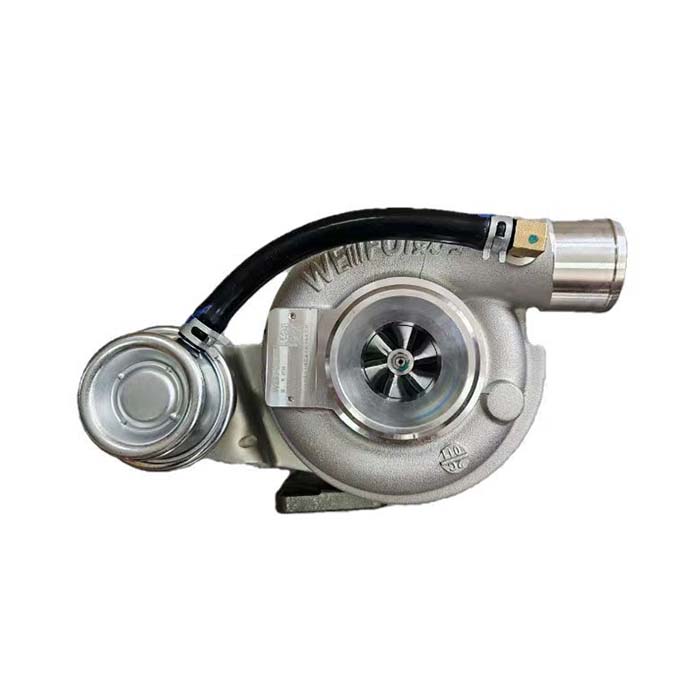
First is the turbocharger, which is one of the most prone to problems as the "power core" of this pickup, especially for models equipped with the 22R-TE engine, the turbocharger wears relatively faster. If your car has decreased power, turbo smoke, or weak acceleration, it's likely time to replace the turbocharger. We recommend buying Rotomaster's turbocharger, which is available on commonly used foreign auto parts websites such as Advance Auto Parts, Amazon, and RockAuto, priced at around $154.99. It's also easy to install—you can do it yourself without a professional mechanic, saving a sum of labor costs.
Second are the oil filter and air filter, which are the most frequently replaced parts for daily maintenance. It is recommended to replace them every 5,000 kilometers (about 3,000-5,000 miles) to effectively protect the engine and turbocharger. Bosch's oil filters and air filters are very compatible, priced at about $10-20 each, and can be easily bought at local auto parts stores (such as NAPA, O'Reilly), Walmart, or online websites like AutoZone and Toyota Parts Deal, with full cost performance.
There are also brake pads and brake fluid. The brake system of an old car must be taken seriously, as it is related to driving safety. We recommend Denso's brake pads, which are wear-resistant and have good braking effect, priced at about $50-80 per set; ordinary DOT4 brake fluid is sufficient, priced at $20-30 per bottle. Replacement is also simple—you can do it at home without bothering others. In addition, the master cylinder, wheel cylinders, and hoses of the brake should be carefully inspected. These are also wear parts, and they should be replaced in time if aging or leakage is found.
In addition, body rust repair parts are also commonly used. These trucks have several famous rust-prone areas: cab corners, rocker panels, and cargo bed floors. You can easily buy brand-new cab corners, rocker panels, and fender repair panels. These repair panels are reasonably priced and easy to install, allowing you to solve the rust problem once and for all instead of dealing with it repeatedly. In addition, the ball joints, link bushings, shock absorbers of the suspension system, and the tie rod ball joints of the steering system are all high-frequency wear parts. It is recommended to check them regularly and replace them in time.
Many friends think that maintaining an old car is complicated and must be done by a professional mechanic, but this is not the case. For the 1986 Toyota Turbo Pickup, most daily maintenance can be done by yourself, with simple steps and short time, which can also save you a lot of maintenance costs. Especially for models equipped with the 22R-TE engine, they have a simple structure, are easy to maintain, have a basic electrical system, and have enough operating space in the engine compartment. Moreover, there is a large community of enthusiasts online sharing various tips, so even beginners can easily get started. As long as you insist on doing daily maintenance well, you can make your old pickup run for several more years and still maintain strong performance. Here are a few key daily maintenance points you must remember.
Oil is the "blood" of the engine, and its importance is even more self-evident for turbocharged models, especially the 22R-TE engine. The turbocharger puts additional pressure and heat on the oil system, and this engine "likes" fresh and clean oil. For the 1986 Toyota Turbo Pickup, it is recommended to change the oil every 5,000 kilometers (about 3,000-5,000 miles). Do not delay, otherwise the oil will become dirty and thick, unable to effectively lubricate the engine and turbocharger, which is likely to cause component wear. The oil model is not complicated—choose 10W-30 or 10W-40 fully synthetic oil, which is suitable for both winter and summer. Oils from brands such as Bosch and Shell are acceptable, priced at about $30-50 per barrel, and one barrel is enough for one change.
The oil change steps are also simple: park the car on a flat surface, unscrew the oil drain plug, drain the old oil completely, then tighten the oil drain plug, pour in new oil, and check the oil level—it's done, taking less than 30 minutes. Here's a small tip for you: after intense driving, let the engine idle for 30 seconds before turning it off. This can cool down the turbocharger and prevent the oil from "coking" (burning and clogging) inside the turbo bearing, effectively protecting the turbo components. In addition, it is normal for turbocharged engines to consume oil a little faster. It is recommended to check the oil level and quality regularly and add oil in time.
The turbocharger is the core of this pickup and a relatively "delicate" component. Many friends' turbochargers are damaged in advance because they do not do a good job in maintenance. In fact, turbo maintenance is very simple. In addition to changing the oil and oil filter on time to avoid turbocharger failure due to dirty oil, you also need to do two things: first, after starting the car, do not step on the accelerator hard immediately. Let the engine idle for 3-5 minutes to allow the oil to fully lubricate the turbocharger, avoiding turbocharger high-speed operation without lubrication, which will cause component wear; second, before turning off the car, do not turn off the engine immediately. Also let it idle for 3-5 minutes to allow the turbocharger temperature to drop slowly, preventing high temperature from damaging the turbo components.
In addition, the 22R-TE engine has another common "headache" problem—the "abnormal noise" of the timing chain. The plastic guides inside the engine are used to keep the timing chain tight. After decades of high temperature and use, these guides will become brittle and crack. If you hear a loud clicking sound from the front of the engine, that is the impact sound of the loose chain. Don't worry, this is a well-known problem, and the solution is very simple: you need to buy a full timing chain kit, which should include guides with metal backing (this is an upgrade from the original plastic parts). When replacing, by the way, replace the front oil seal and oil pump seal, because these parts of the old engine often leak. These parts are cheap and easy to buy, and you can replace them yourself.
The cooling system is a weak link of the 22R-TE engine. Old radiators and water pipes are prone to problems, and this engine does not like overheating, so careful maintenance of the cooling system is crucial. We have sorted out a checklist for you: check if there is green scale residue around the water pump (this is a sign of leakage); pinch the upper and lower radiator hoses; if they feel soft or have cracks, replace them; replacing a new thermostat is a low-cost "peace of mind guarantee", which can effectively prevent the engine from overheating and avoid engine component damage due to high temperature. At the same time, regularly check the coolant to ensure that the auxiliary water tank level is within the normal range and check for signs of leakage.
Tires and brakes are the top priority for driving safety, especially for old cars. They must be inspected regularly and not taken lightly. For tires, it is recommended to check the tire pressure every 1,000 kilometers. The tire pressure should not be too high or too low. Adjust it according to the mark on the car door frame to avoid tire blowout due to high pressure and excessive tire wear due to low pressure. In addition, check whether the tire tread wear is uniform. Uneven wear may indicate a suspension problem, and the suspension components need to be inspected in time. If the tire tread is worn flat, or there are cracks or bulges, it must be replaced in time. Do not make do with it, otherwise it will affect driving safety.
For the brake system, in addition to regularly replacing the brake pads and brake fluid, check the brake pedal travel every 2,000 kilometers. If the brake pedal becomes very soft, or there is abnormal noise or weak braking during braking, you must check it in time to see if there is a problem with the brake system, and handle it in time to avoid danger. In addition, the master cylinder, wheel cylinders, and hoses of the brake should be regularly inspected. If aging or leakage is found, they should be replaced in time—safety is always the first priority.
In addition to the maintenance of mechanical components, the cleaning of the body and interior is also very important. It not only makes the car look more energetic but also prevents the body from rusting and the interior from aging. For the body, it is recommended to clean it once a week with ordinary car cleaner. Wipe it dry after cleaning to avoid water residue causing body rust; if there are scratches or paint peeling on the body, touch up the paint in time to prevent the scratches from expanding and affecting the body's appearance and rust resistance. Especially for those rust-prone areas, focus on wiping them dry after washing the car, check regularly for signs of rust, and handle them in time to avoid rust expansion.
For the interior, regularly wipe the seats, instrument panel, and door trim panels with a damp cloth to remove dust and stains; if the seats are made of leather, regularly apply leather conditioner to prevent leather cracking and aging; keep the window glass clean to avoid affecting the line of sight. These operations are very simple and can be completed in 10 minutes every day, keeping your old pickup with a retro texture. At the same time, regularly check the plastic components of the interior to avoid affecting use due to aging and cracking. If necessary, you can replace compatible interior parts to keep the inside of the car in good condition.


It is inevitable for old cars to have some small faults. Many friends panic when encountering faults, thinking they are major problems, and hurry to find a mechanic, spending a lot of money. In fact, many small faults can be solved by yourself. The 1986 Toyota Turbo Pickup has a simple structure and is easy to maintain. Many common faults have fixed solutions. You can solve them by yourself without professional tools, saving you a sum of maintenance costs. The following are several common small faults of the 1986 Toyota Turbo Pickup. We have sorted out simple solutions for you, especially for models equipped with the 22R-TE engine, these faults are more common. You can save them and refer to them directly when encountering problems.
This situation is very common, mostly caused by aging spark plugs or clogged fuel filters. Don't worry too much. The solution is very simple: first check the spark plugs. If the electrodes of the spark plugs are worn or blackened, replace them directly. Spark plugs are very cheap, about $10-15 each, and replacement is also simple—unscrew them with a wrench and then screw in the new ones; if the spark plugs are okay, check the fuel filter. A clogged fuel filter will lead to insufficient fuel supply and difficult car starting. Replace it with a new fuel filter, which is about $20-30, and you can replace it yourself. In addition, if there is a minor fault in the electronic fuel injection system, it may also cause difficulty in starting. You can check if the fuel injectors are clogged and clean them with fuel injector cleaner.
This situation is likely caused by excessive carbon deposits in theturbocharger or a clogged air filter, especially for the 22R-TE engine, turbo carbon deposits are a common problem. Solution: first check the air filter. If the air filter is full of dust, replace it with a new one. We have recommended compatible air filters earlier, which are simple and cheap to replace; if the air filter is okay, clean the carbon deposits in the turbocharger. You don't need to find a professional mechanic. Buy a bottle of turbo carbon deposit cleaner and follow the instructions to easily clean the carbon deposits. After cleaning, the car's power will be significantly improved, and the turbo's "boost" feeling will come back. In addition, you can also check the turbocharger hoses to see if there is air leakage. Air leakage can also cause weak acceleration. Tighten or replace the hoses in time.
This situation is generally caused by excessive carbon deposits in the throttle valve, aging idle air control valve, or loose timing chain. Solution: first clean the carbon deposits in the throttle valve. Spray throttle cleaner on the surface of the throttle valve and wipe it clean with a cloth to remove the carbon deposits. The operation is very simple, taking less than 20 minutes; if the idle speed is still unstable after cleaning the throttle valve, replace the idle air control valve. The idle air control valve is about $40-60, which can be bought on auto parts websites, and replacement is also simple without professional tools. If there is a clicking sound, it is likely that the timing chain is loose. Replace the timing chain kit according to the method mentioned earlier to solve the problem.
This situation mostly occurs in the cooling system, especially the old radiator and water pipes. Solution: first check if there is green scale residue around the water pump, check if the water pipes are cracked or loose, and replace the damaged water pipes and water pump in time; if the radiator is clogged, clean the radiator or replace it with a new one; check if the thermostat is faulty. If the thermostat cannot open normally, it will cause the engine to overheat. Replace the thermostat, which is cheap and simple to operate. At the same time, add compatible coolant to avoid overheating again.
The 1986 Toyota Turbo Pickup is a classic old car worth taking good care of, especially models equipped with the 22R-TE engine, which have become the favorite of old car enthusiasts with their reliable performance and simple structure. It carries many people's memories and has witnessed the development of the automotive industry in the 1980s. Back then, it was not an ordinary truck, but Toyota's top model. The 2.4-liter 22R-TE engine was the star of this car. The "T" stands for turbocharged, and the "E" stands for electronic fuel injection. In 1986, this was definitely a big selling point! On the premise of not sacrificing Toyota's legendary reliability, it provided a significant power boost (about 135 horsepower) for the vehicle. You will usually find it on the SR5 model, which is usually equipped with a 5-speed manual or 4-speed automatic transmission, and the cool "Turbo" badge on the tailgate.
Even today, these pickups are still sought after because they have a simple structure, are easy to maintain, have a basic electrical system, have enough operating space in the engine compartment, and there is a large community of enthusiasts online sharing various tips. Whether you want to use it as a weekend modification project or a daily vehicle, it is a car that can bring you a sense of accomplishment. Although it has been in service for nearly 40 years, as long as we choose the right parts, do daily maintenance well, and solve small faults in time, it can always accompany us and continue to shine on the road.
The key to owning a classic car is regular and proactive maintenance, not waiting for it to break down before repairing it. Here is a monthly inspection checklist for you to facilitate daily maintenance: 1. Oil: regularly check the level and quality. Remember, it is normal for turbocharged engines to consume oil a little faster; 2. Coolant: ensure that the auxiliary water tank level is within the normal range and check for signs of leakage; 3. Tires: check the tire pressure and whether the tread wear is uniform. Uneven wear may indicate a suspension problem.
Finally, here are some tips for finding parts: large professional auto parts suppliers, such as websites like RockAuto and Toyota Parts Deal, are excellent starting points for finding new parts (OEM or high-quality aftermarket parts), and the prices are usually reasonable; online forums and communities, such as Yotatech and Ih8mud, are invaluable treasure troves of knowledge. Users will share experiences and recommend reliable parts brands and suppliers; local auto parts stores, such as chains like NAPA or O'Reilly, can usually order core parts for these old cars, such as water pumps, generators, brake parts, etc.
Taking care of a 1986 Toyota Turbo Pickup is more of a love than a job. Every maintenance brings you closer to automotive history and excellent engineering. This pickup will not trouble you with fancy screens or computer codes—it needs your attention, a little sweat, and occasional care. Take good care of it, and it will take you anywhere in the years to come. After all, this is not an old truck; it is a partner that can accompany you on new adventures.
Finally, I hope this guide can help all enthusiasts, and I also hope that every 1986 Toyota Turbo Pickup can be treated gently and continue its classic legend! So, start the engine and enjoy the fun of driving! Your Toyota pickup is ready to go.


