chris@alfredturbo.com
+86-18112348562
Language
Please Choose Your Language

Views: 3 Author: Site Editor Publish Time: 2026-02-11 Origin: Site



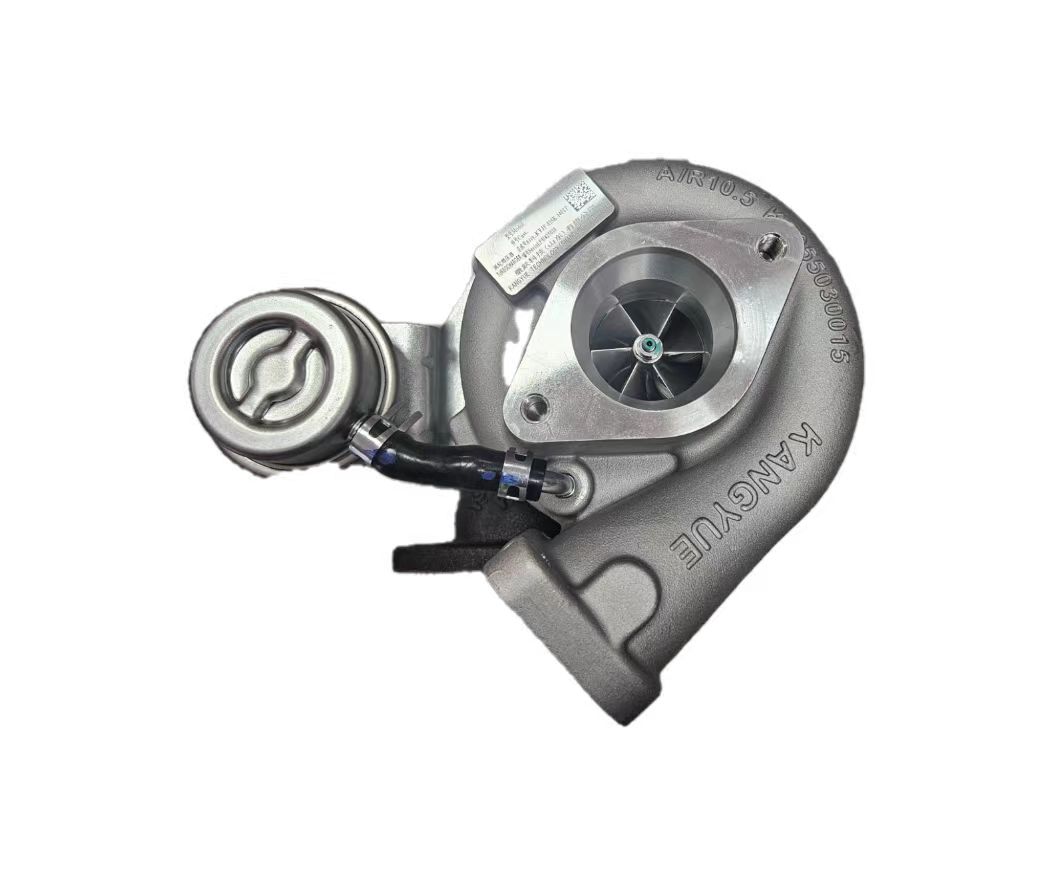
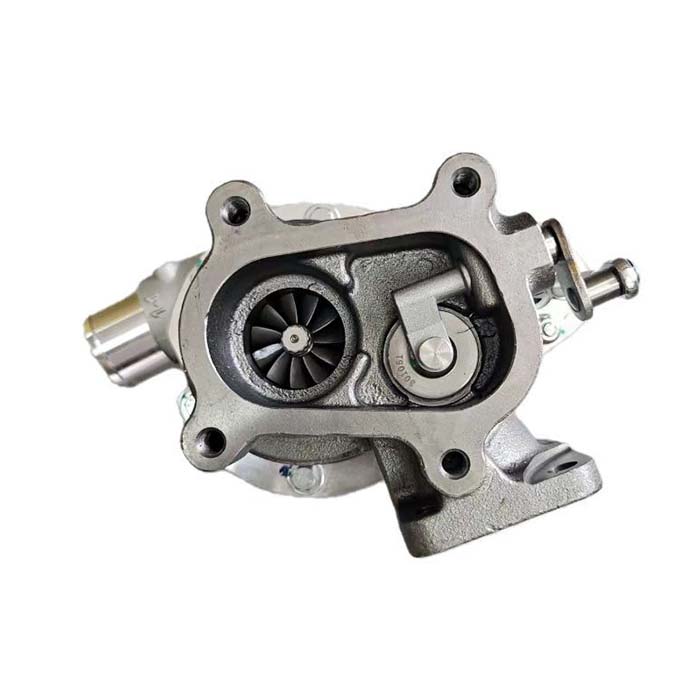
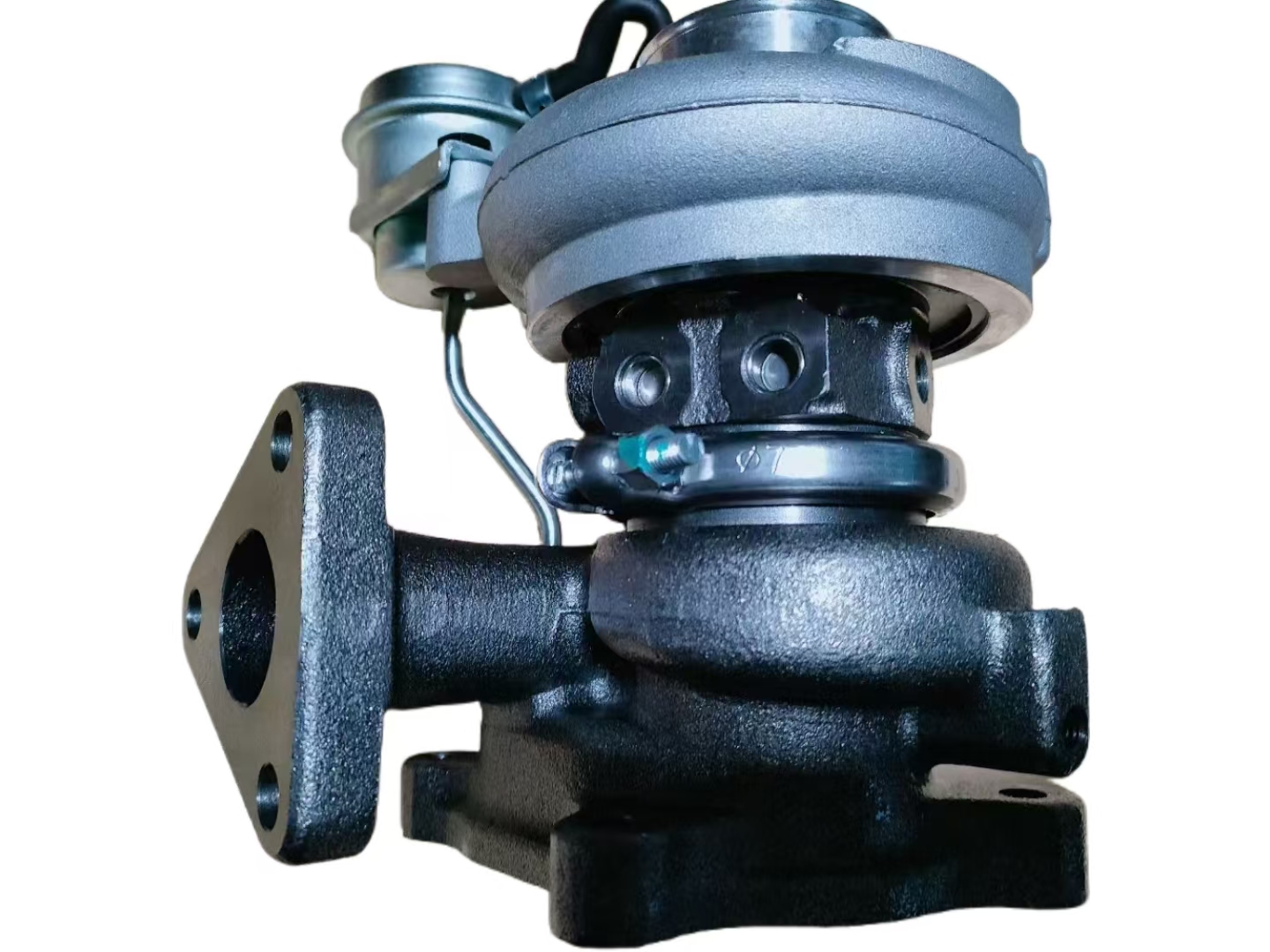
A turbocharger is like the "heart booster" of a truck, directly determining the engine's power output, fuel consumption, and even the overall driving safety. For trucks engaged in long-distance transportation or construction site operations, once the turbocharger fails, the vehicle will break down immediately. This not only incurs high maintenance costs but also delays cargo transportation and project schedules. The resulting downtime losses often far exceed the value of the component itself, so the quality of its procurement must never be taken lightly.
The advantage of bulk procurement lies in "quantity for price," but turbochargers are not ordinary commodities, and one cannot merely pursue low unit prices. If you blindly choose inferior products to cut costs, they may suffer oil leaks, abnormal noises, and other issues after only a few thousand kilometers of use. The subsequent maintenance costs and lost work hours will be much higher than the savings from procurement. Therefore, finding a balance between "low-cost procurement" and "high-quality guarantee" is the core challenge of bulk procurement.
Turbochargers operate in extremely harsh environments, running at high speeds under long-term high temperature and pressure. Inferior materials or shoddy craftsmanship can easily lead to failures, which not only damage the turbocharger itself but also affect the engine in severe cases, resulting in greater maintenance losses. If a failure occurs during transportation, the combined costs of towing, maintenance, and downtime will cause a "major financial blow" to the enterprise. Thus, quality is the primary red line in procurement.
High quality does not mean the most expensive; it means "stable and reliable." For trucks, a good turbocharger can operate stably for hundreds of thousands of kilometers without failure, with no performance degradation, and be compatible with the vehicle's working conditions and engine requirements. Even if a high-quality product is 10%-20% more expensive per unit, if its service life can be extended by 50%, it is more cost-effective overall. This is the core embodiment of cost performance.
The unit procurement price is only part of the cost and cannot be considered in isolation. The true procurement cost includes the purchase price, maintenance fees, replacement labor costs, downtime losses, and other whole-life expenses. For example, a low-cost turbocharger may need to be replaced twice a year, while a high-quality one only needs replacement every two years. Although the latter has a higher unit price, its total lifecycle cost is lower, which is a scientific cost accounting method.
Upholding quality does not mean being taken advantage of. The core bargaining chip of bulk procurement is "purchase volume." You can use large procurement demand to negotiate price discounts and value-added services with suppliers, striving for more favorable procurement terms while ensuring quality, achieving "high quality without high prices."
Repeatedly searching for suppliers and negotiating terms for each procurement will consume significant human and material resources. Establishing a standardized procurement process that clarifies norms for demand submission, supplier connection, negotiation and signing, inspection and warehousing, and other links allows subsequent procurement to proceed directly in accordance with the process, greatly saving time costs.
Excessive inventory occupies capital and warehousing space, while insufficient inventory may lead to unavailability of replacement parts when vehicles break down, affecting operations. Establish a scientific inventory early warning mechanism, set reasonable inventory levels based on consumption rates, and maintain inventory at a "just-right" state that balances capital liquidity and supply stability.
Prioritize suppliers with complete qualifications. Verify documents such as business licenses and ISO quality system certifications, which are proof of the enterprise's standardized operation and basic quality control capabilities. Authorized agents of well-known brands offer higher stability in supply and quality assurance and can be prioritized for inclusion in the cooperation list.
"Word of mouth is more valuable than gold medals." During screening, consult with surrounding fleets and auto parts dealers, or check supplier reviews on truck driver forums, focusing on product stability, after-sales service response speed, and attitude towards fault handling. Suppliers with issues such as "abandoning customers after sales" or "delayed after-sales service" should be avoided even if their prices are favorable.
Hearing is believing, but seeing is believing. Before large-scale procurement, be sure to purchase a small number of samples for trial use. Install the samples on trucks under different working conditions and run them for several thousand kilometers to test key indicators such as power output, sealing performance, and abnormal noises. Only when samples pass practical verification can large-scale cooperation proceed with confidence.
Classify suppliers with stable product quality, on-time delivery, and high-quality after-sales service as Grade A. Allocate approximately 80% of procurement orders to them and establish long-term cooperative relationships. Long-term cooperation will make suppliers attach more importance to your needs and proactively provide more favorable prices and value-added services, achieving win-win results.
Classify suppliers that meet quality standards but have slightly higher prices or slower service response as Grade B. Maintain small-scale procurement cooperation with them as backups. In the event of sudden issues such as insufficient production capacity or quality problems with Grade A suppliers, you can quickly switch to Grade B suppliers to avoid supply interruptions.
Classify suppliers with quality problems, poor reputation, or insufficient performance capabilities as Grade C, suspend bulk cooperation, and keep them under observation. Hierarchical management fosters healthy competition among suppliers and avoids passivity caused by over-reliance on a single supplier.
Abandon "guesswork" in demand planning. Calculate procurement volume based on fleet operation data: statistics on the average annual mileage per vehicle, the average replacement cycle of turbochargers, and the number of vehicles requiring turbocharger replacement annually. Integrate these data to determine annual and quarterly procurement volumes, ensuring precise and controllable demand.
Considering sudden failures and supplier delivery delays, reserve safety stock, usually set to cover replacement for 5-10 vehicles. Safety stock ensures timely replacement of parts when vehicles break down, avoiding downtime due to waiting for goods.
Proactively inform suppliers of annual procurement volume during negotiations and propose tiered pricing requirements, such as "What is the price for 200 units, and can we get a further discount for 300 units?" Use procurement volume as a bargaining chip to secure maximum discounts, and clarify the price validity period to avoid risks from market price fluctuations.
If there is limited room for price negotiation, shift focus to service negotiations. Strive for value-added services such as free installation guidance, extended warranty periods (e.g., from 1 year to 1.5 years), and regular technical inspections. These services can reduce subsequent operating costs and are more valuable than simply lowering the unit price.
Try to negotiate a "payment after delivery" model, such as payment within 30 days after acceptance of goods. This not only eases the enterprise's capital pressure but also maintains bargaining power in case of quality issues, avoiding passive handling by suppliers after payment.
In addition to price and quantity, contracts should specify key information such as turbocharger models, technical parameters, warranty scope (e.g., 2 years or 200,000 kilometers), after-sales response time (e.g., reply within 24 hours), and delivery cycles. Avoid disputes arising from verbal agreements.
Stipulate liability for breach of contract in case of delayed delivery or unqualified product quality, such as a penalty for each day of delay based on a certain percentage of the contract amount, and unconditional return/replacement of unqualified products with supplier-bearing freight. Clear breach clauses urge suppliers to fulfill their obligations strictly.
First check for packaging damage upon arrival, then inspect the product surface for collisions, scratches, and clear and complete label information. Appearance is an intuitive reflection of product quality. If the appearance is rough or labels are blurred, be alert to potential internal quality issues, suspend inspection immediately, and contact the supplier.
Set sampling ratios based on procurement volume: 5-10 units for purchases under 100 units, 5% for purchases over 100 units, with a minimum of 5 units. Verify the size and hole accuracy of sampled products, and compare craftsmanship with used parts if possible to ensure consistency with order requirements.
Fill out a unified inspection form during acceptance, indicating inspection time, sample quantity, test results, and inspector information, then file it after signature confirmation. Complete inspection records serve as important evidence for subsequent quality disputes and after-sales claims.
Adopt the ABC classification method for inventory management. Classify turbochargers as Class A materials (valuable and critical) for focused inventory control; classify low-value accessories such as screws and gaskets as Class C materials, which can be stocked appropriately to avoid frequent procurement. Classification management focuses on core materials and improves inventory control efficiency.
Set a minimum inventory warning line based on average monthly consumption (e.g., sufficient for half a month's use). The system automatically alerts the procurement department when inventory falls below this line. Simultaneously set a maximum inventory line to avoid capital occupation due to excessive procurement.
Although turbochargers are not perishable, long-term storage can cause seal aging and part moisture damage, affecting performance. Implementing FIFO avoids long-term inventory backlogs, ensures outgoing products are high-quality recent stock, and reduces inventory losses.
Label products with incoming dates during warehousing, place new stock inside shelves, and prioritize older stock on the outside for outbound. Alternatively, use inventory management software to record incoming dates, and the system automatically recommends priority outbound products to ensure effective FIFO implementation.
Implement a "monthly small check, quarterly comprehensive check" system. Monthly checks verify consistency between inventory quantity and accounts; quarterly checks fully inspect inventory losses and material aging, identify causes of discrepancies promptly, and avoid account confusion and material loss.
Larger enterprises can introduce simple inventory management software to record inbound and outbound through scanning codes, display real-time inventory quantities and warning statuses. This is more accurate and efficient than manual accounting, reducing human control errors.
Conduct quantitative scoring of suppliers quarterly or semi-annually based on indicators such as quality pass rate, on-time delivery rate, after-sales response speed, and price rationality, forming performance reports. Transparent scoring standards help suppliers clarify improvement directions.
Increase orders and prioritize renewal for top-performing suppliers; interview underperforming suppliers to request rectification within a time limit, and terminate cooperation if rectification is inadequate. Survival of the fittest forces suppliers to improve service quality.
Regularly aggregate procurement data to analyze annual total procurement expenditure, cooperation costs with each supplier, and fluctuations in average turbocharger unit prices. Identify the most cost-effective suppliers and optimize procurement budget allocation.
Use data analysis to identify issues: switch brands promptly if a certain turbocharger model has a high failure rate; adjust procurement plans to reduce batch sizes if inventory turnover is too low; optimize negotiation strategies if insufficient skills lead to high costs. Let data guide procurement optimization.
Regularly organize procurement team experience-sharing sessions to exchange negotiation skills, supplier collaboration pitfalls, and key inspection details. Convert individual experience into team capabilities to improve overall procurement levels.
Procurement personnel should take the initiative to learn basic turbocharger principles, new technology trends, and industry price fluctuation rules. This prevents being misled during supplier communications, enables accurate judgment of product value, and enhances procurement decision-making professionalism.
Optimizing bulk procurement of truck turbochargers is not merely "price haggling" but a systematic project covering goal-setting, supplier management, process control, inventory optimization, and continuous improvement. The core principle is to uphold "quality as the root, cost as the foundation, and efficiency as the soul." Avoid blind pursuit of low prices and neglect of process details; achieve a balance between quality, cost, and efficiency through standardized and refined management.
For managers, priority should be given to procurement system construction, supporting the procurement department in establishing standardized processes and promoting long-term cooperation planning, rather than focusing solely on single procurement prices. A scientific and sound procurement system not only reduces overall costs but also ensures stable fleet operations, creating greater benefits for the enterprise.