chris@alfredturbo.com
+86-18112348562
Language
Please Choose Your Language

Views: 26 Author: Site Editor Publish Time: 2026-01-26 Origin: Site


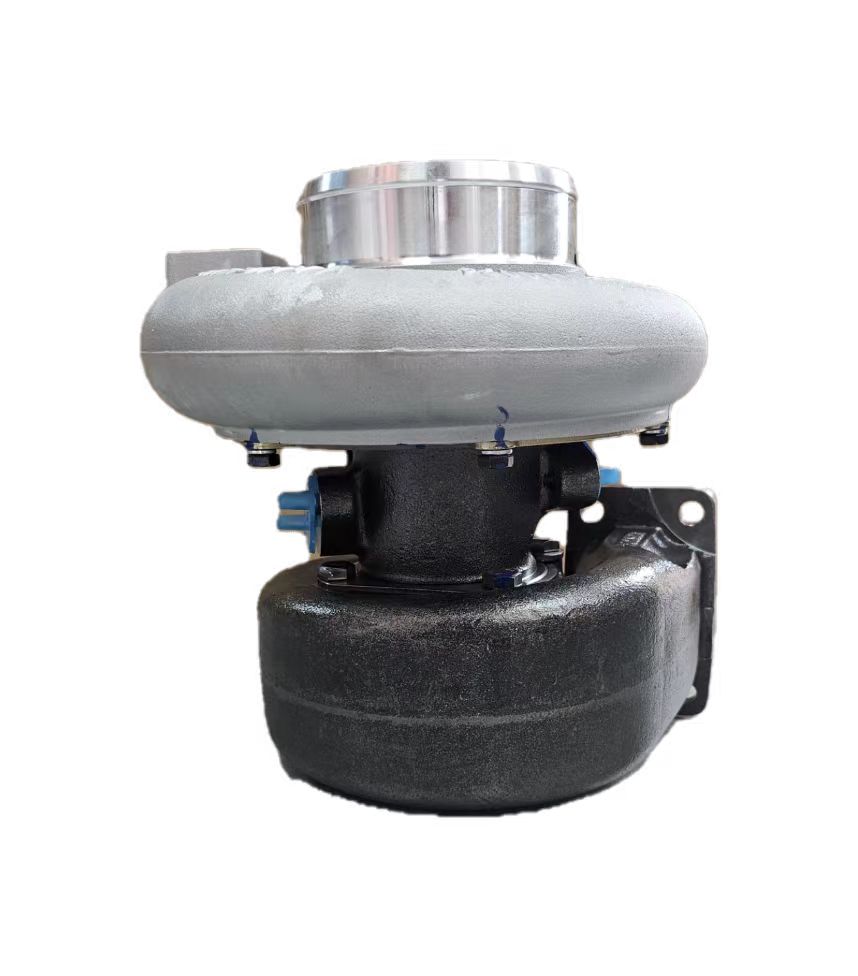
We truck drivers all know that the turbocharger of an engine is like the heart of the vehicle. How well it works directly affects whether the vehicle has power, saves fuel, and can run long distances. OEM ones are expensive, while aftermarket ones are cheap—this choice is really tricky. Especially for us truck drivers, the truck is our livelihood. Once the turbocharger breaks down, it not only delays delivery time but also costs a lot to repair. Today, we will clarify the differences to help you choose the right turbocharger.
Simply put, a turbocharger is a device that "boosts air" into the engine. The engine needs air to burn fuel; the more air there is, the more fully the fuel burns, and the more power the engine produces. The turbocharger uses exhaust gas to drive an impeller, just like when we blow on a pinwheel. When the impeller rotates, it compresses more fresh air into the engine.
This thing is not easy to work with. It rotates at an extremely high speed—hundreds of thousands of revolutions per minute—and is directly exposed to the high-temperature exhaust gas emitted by the engine. It requires excellent materials and craftsmanship to withstand this. So although it's small in size, it has quite high technical content and has a significant impact on vehicle power and fuel consumption.
OEM turbochargers are designed and tested together with the vehicle. From materials to craftsmanship, they go through strict inspections by the truck manufacturer. We have a customer who drives a Jiefang J6. The original turbocharger that came with the vehicle worked perfectly for nearly four years. Later, he chose a cheaper aftermarket one, and it started leaking oil in less than a year. There's also a fellow truck driver I know, Lao Zhang. His turbocharger broke down last year, and he chose an aftermarket one for over 3,000 yuan. It malfunctioned in less than three months, with reduced power and abnormal noise. Repairing it cost another 2,000 yuan, plus over 1,000 yuan in liquidated damages. In the end, it was not much cheaper than an OEM one.
Under normal circumstances, as long as the OEM turbocharger is installed correctly and properly maintained, it can last for three to five years with excellent stability. What we value most for long-distance transportation is the stability of components—no frequent repairs mean no delayed trips.
OEM turbochargers are developed in conjunction with the engine, just like a couple living together who know each other's temperaments well. When you step on the accelerator hard, the turbocharger knows exactly when to kick in and how much boost to provide. This makes the vehicle drive smoothly and save fuel, avoiding issues like power mismatch or sudden increases in fuel consumption.
I asked a repairman before, and he said that OEM parts are very easy to install, with extremely high compatibility with the engine and intake-exhaust system. You can install them and use them directly without any modifications, and there are few subsequent failures due to compatibility issues.
If you use an OEM part, it usually comes with a clear warranty period—mostly one year or several thousand kilometers. If there is a quality problem within the warranty period (as long as it's not man-made damage), the service station will honor the warranty and provide free repair or replacement. Moreover, there are many OEM after-sales outlets. Whether you're in your hometown or on a long trip elsewhere, you can enjoy regular after-sales support by finding the corresponding service station, no need to run back and forth.
In contrast, if an aftermarket part has a problem, the seller may make various excuses to shirk responsibility, and you'll end up paying for the repairs yourself. This is one of the core reasons why OEM parts are expensive—you're paying for peace of mind.
Many people think aftermarket parts are inferior, but that's not the case. There are three types of aftermarket turbochargers on the market now, with huge differences in quality and cost-effectiveness. As long as you choose the right one, it can fully meet your usage needs.
These are produced by regular large manufacturers with good quality. Many are well-known old brands specializing in turbochargers, with mature technology. The price is 30% to 40% cheaper than OEM parts, and their compatibility has been tested. As long as they match your vehicle model, they work basically fine. They are suitable for truck drivers who are on a tight budget but value quality.
These are old OEMturbochargers that are disassembled, repaired, refurbished, and then resold. They are cheaper than aftermarket parts from major manufacturers but have no quality guarantee—well-refurbished ones may last for a while, while poorly refurbished ones may malfunction in a few months. It's hard for ordinary people to tell the difference, so they are not recommended for new drivers.
These are the cheapest, maybe available for over 2,000 yuan, but they use recycled materials and shoddy craftsmanship. They not only break down quickly but may also damage other engine components. Later, the cost of repairing the engine will be much higher than buying the turbocharger—it's purely not worth it.
When choosing aftermarket parts, you must avoid the trap of "the cheapest one". Prioritize well-reputed, qualified major brands. It's best to buy them through regular repair shops and ask the merchant for a warranty certificate, so you have protection if there's a problem later.
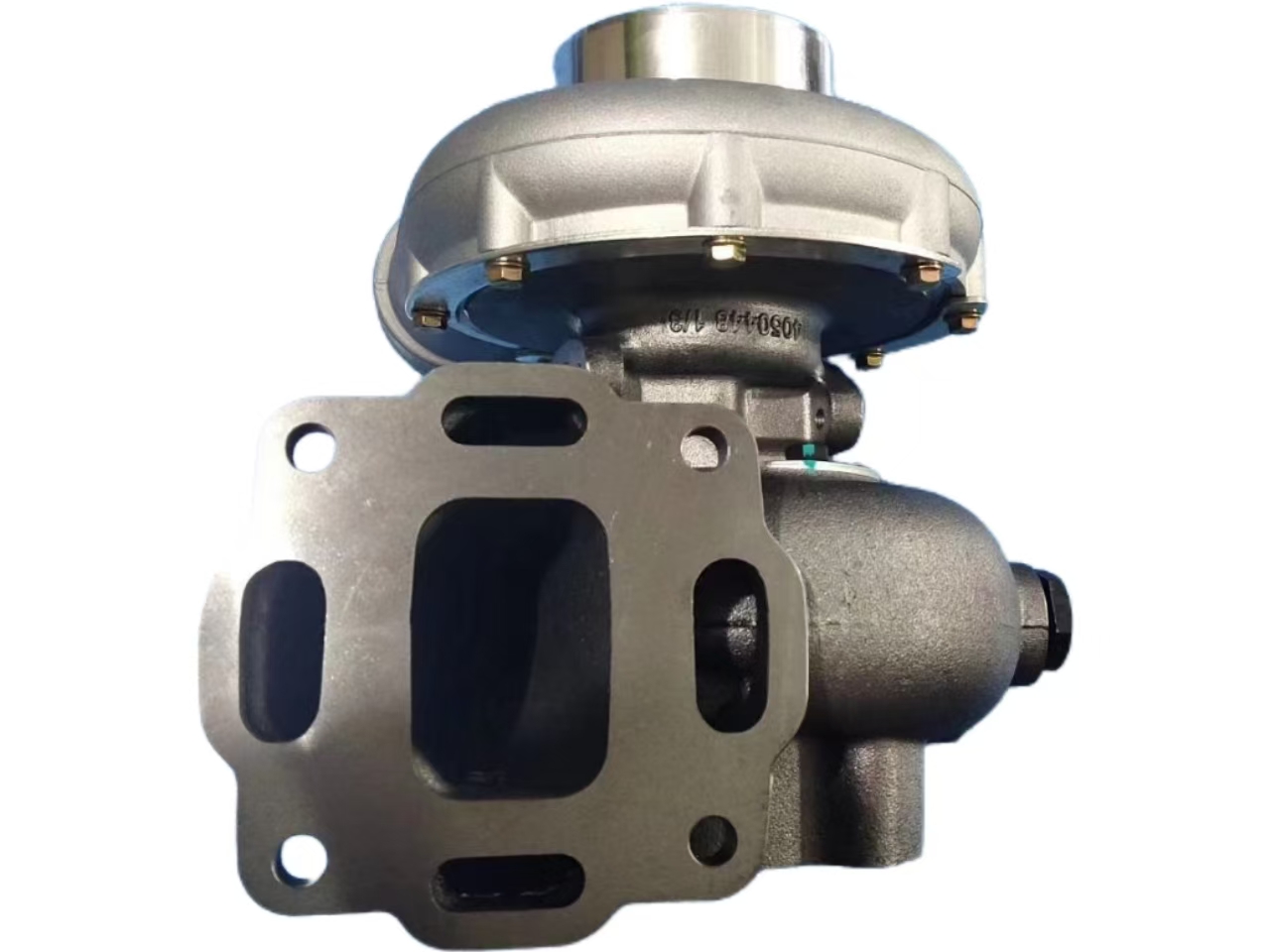
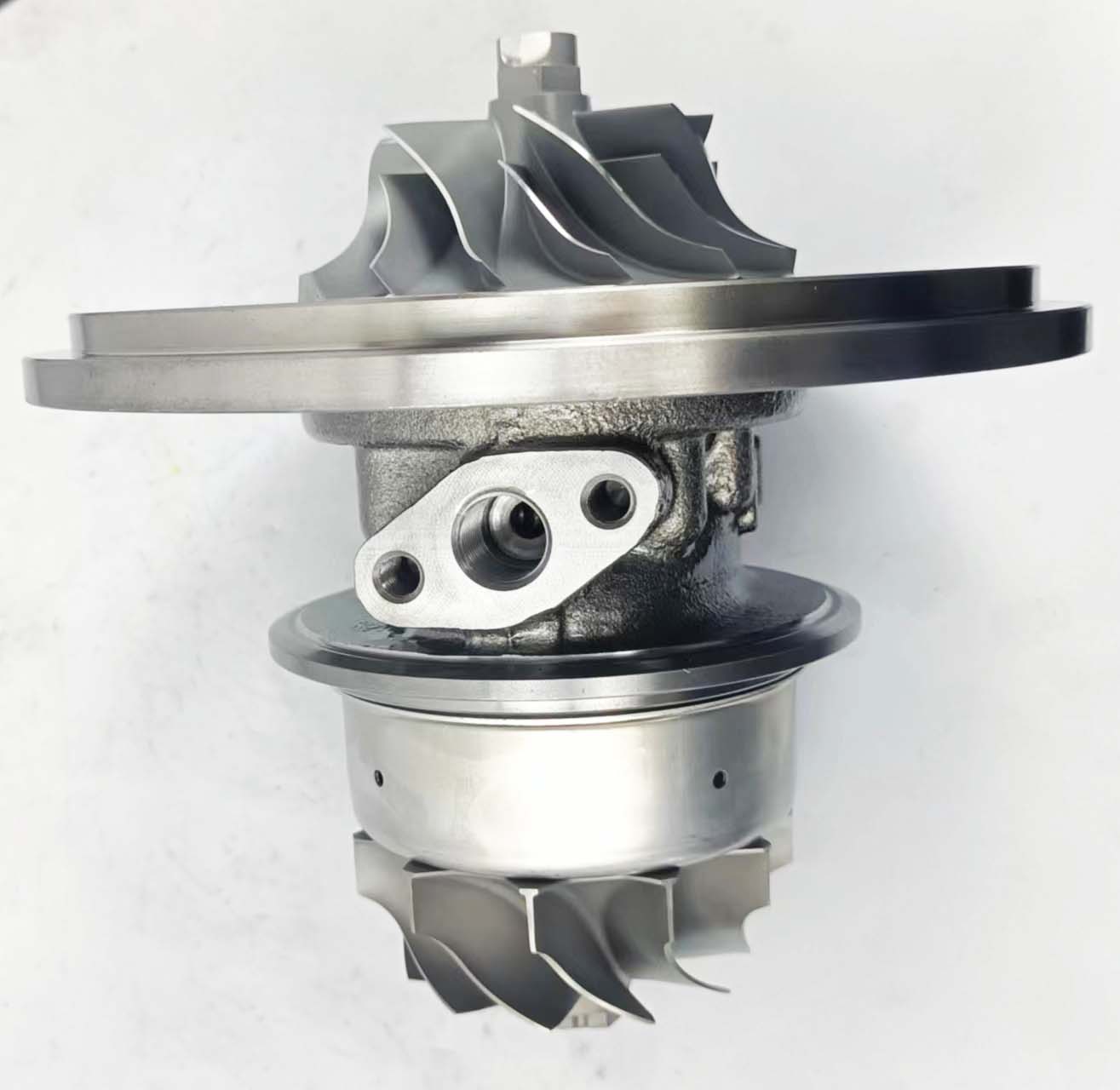
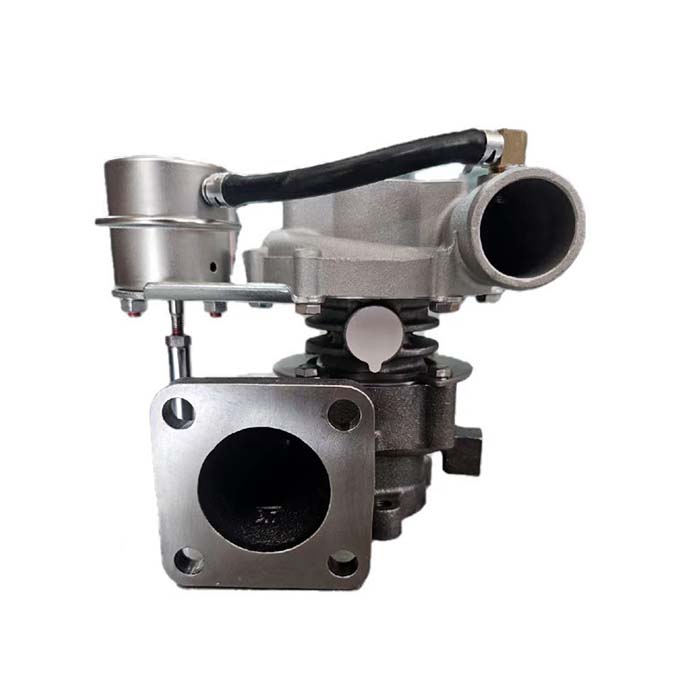
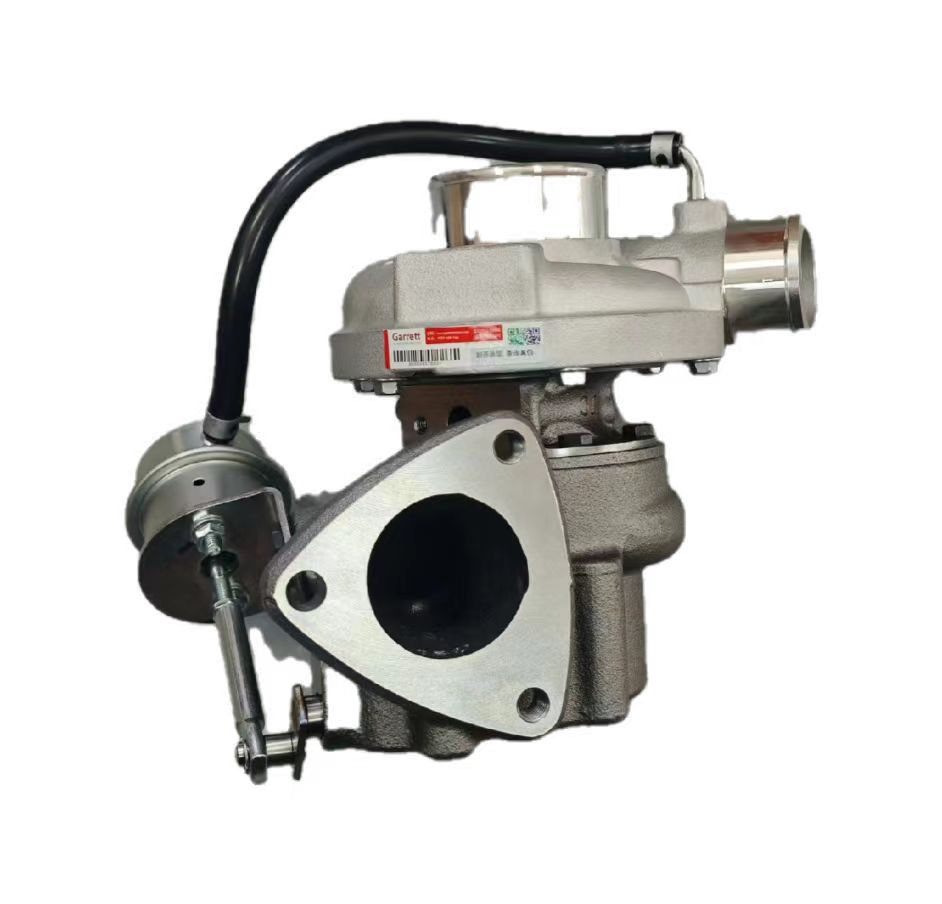
The best way to know if a turbocharger is good is to hear from those who have used it. We have compiled real feedback from customers in different regions to intuitively show the performance of OEM and high-quality turbochargers in extreme environments for your reference.
Ali from the Middle East said: "It's 50 degrees in summer here, and many turbochargers leak oil after a few months. Yours (OEM-matched) have been working fine for two years, and now my customer retention rate is very high."
Ivan from Russia reported after testing in Siberia at minus 40 degrees Celsius: "It starts immediately in winter, with fast power response, and the fleet's attendance rate has increased by 30%."
Muhammad from Africa said: "The road conditions here are poor and dusty, but your turbochargers have good sealing. After using them for nearly a year, they are still clean inside when disassembled."
Mr. Chen from Southeast Asia commented from a business perspective: "Although the price is not the cheapest, the quality is stable and the repair rate is low. It's more cost-effective in the long run, and there are many repeat customers." This also echoes the voice of many truck drivers—when a turbocharger breaks down, the lost freight and repair costs are far more than the price difference between OEM and aftermarket parts.
In fact, the core of choosing between OEM and aftermarket lies in your usage scenario, vehicle purpose, and budget. There's no need to follow the crowd blindly—matching your specific situation will help you make the best choice.
If your truck is used for long-term, long-distance, heavy-duty transportation (such as trunk line logistics or transporting bulk commodities) and you rely on it to make a living, it's recommended to choose OEM without hesitation. Although the initial investment is higher, there will be no frequent repairs later, and no delayed trips—peace of mind means saving money.
If your truck is only used for short-distance, light-duty transportation (such as transporting construction materials locally or urban distribution) with low frequency, and you're on a tight budget, you can consider aftermarket parts from regular major manufacturers. In addition, if your truck is several years old and almost ready for scrapping, and you just want to repair it temporarily to use for a while, there's no need to spend a lot of money on OEM parts—choose a reliable aftermarket part for a transitional period.
If you often drive in plateaus, high-temperature areas (such as the Middle East), extremely cold areas (such as Siberia), or areas with poor road conditions and heavy dust (such as Africa), it's recommended to choose OEM parts. These environments have extremely high requirements on the materials and craftsmanship of turbochargers, and OEM parts have more reliable stability, which can reduce the probability of failures.
If you're in plain areas with good road conditions and mild environments, the pressure on the turbocharger is relatively small, and aftermarket parts from major manufacturers can also meet your usage needs.
Many truck drivers neglect maintenance, leading to premature damage to the turbocharger, and then blame the quality of the parts. In fact, whether you use OEM or aftermarket parts, maintenance must not be sloppy. The following points must be done properly:
Must use high-quality full synthetic oil and replace it on time. Don't use inferior oil to save money.
Regularly clean and replace the air filter to prevent dust from entering the turbocharger and wearing internal components.
After cold start, wait for half a minute before starting to allow the oil to fully lubricate the turbocharger.
After driving on the highway or heavy load, don't turn off the engine directly. Let the engine idle for one or two minutes to cool down the turbocharger and extend its service life.
I know that the current freight rate is not high, and it's not easy for everyone to make money. But unlike tires, if the turbocharger breaks down, the truck will be stuck, and each day of delay means a day's loss of freight. Treat it well, and it will treat you well. Investing a little more in key components is cost-effective in the long run.
If this truck is your main source of income, it's recommended not to save money on the turbocharger. The extra cost of OEM parts buys you peace of mind and attendance rate. If you're really tight on money and have to choose an aftermarket part, remember three things: don't buy the cheapest one, choose those from major manufacturers, and pay more attention to maintenance.