chris@alfredturbo.com
+86-18112348562
Language
Please Choose Your Language

Views: 7 Author: Site Editor Publish Time: 2026-02-06 Origin: Site


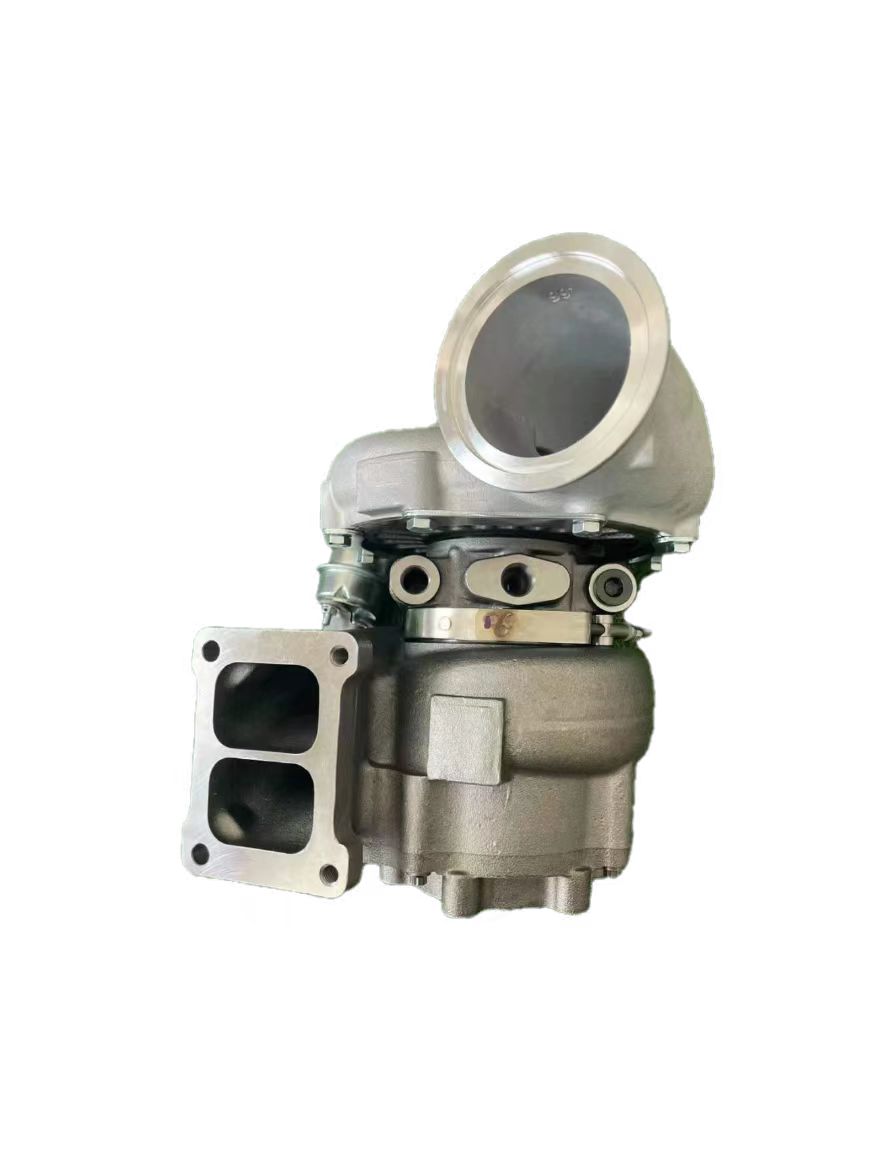
For truck drivers who run long distances and haul heavy loads, the engine is the "heart" of the truck, and the turbocharger is like an "accelerator" installed on this heart, directly determining the truck's power and fuel consumption. This seemingly sophisticated component actually has a simple working principle, but it is prone to problems if not properly maintained in daily use. Combining practical experience, this article will thoroughly explain the function, common failures, causes, prevention methods and maintenance skills of turbochargers in one go, helping everyone avoid detours and save costs.
Essentially, a turbocharger is a "small fan" driven by the exhaust gas from the engine. Its core logic is similar to blowing on a windmill to make it spin. The high-temperature exhaust gas emitted by the engine pushes the turbine blades to rotate at high speed, and the connected compressor blades rotate synchronously, compressing fresh air and forcing it into the engine cylinders. In this way, an engine with the same displacement can inhale more air, making fuel combustion more sufficient and naturally greatly improving power. This is why trucks with turbochargers have significantly more power than those without.
For trucks that often haul heavy loads and run long distances, turbochargers are almost a "standard configuration". They enable the engine to deliver high torque at low speeds, making starting and climbing hills easier; there is ample power reserve for high-speed driving, allowing for more confident overtaking. Especially in plateau areas where thin air drastically reduces the power of ordinary engines, turbochargers can "compress air" to make up for the shortage, ensuring power does not drop significantly. It can be said that once the turbocharger fails, the truck is basically "half useless"—it not only cannot run smoothly but also consumes much more fuel.
As a high-speed rotating precision component, turbochargers can still malfunction due to long-term use or improper operation despite mature technology. The following failures are the most common among truck drivers, and each one requires vigilance.
The engine oil consumption rate increases significantly, blue smoke emits from the exhaust pipe when starting, obvious oil stains can be seen on the intake/exhaust pipes or the bottom of the turbocharger, and oil may even drip directly onto the ground in severe cases. This failure is easily confused with valve stem seal aging and needs to be distinguished carefully.
There are three core reasons:
1. Poor oil quality or infrequent replacement leads to sludge clogging the oil return pipe, preventing oil from flowing back smoothly and causing leakage from the seal ring;
2. Wear of the turbine shaft increases the sealing gap, allowing oil to seep into the exhaust or intake system through the gap;
3. Clogging of the intake pipeline causes abnormal internal pressure in the turbocharger, "forcing" oil out of the seal.
Tip: Minor oil seepage is mostly due to seal ring aging and can be fixed by timely replacement; severe leakage requires a comprehensive inspection of the lubrication system.
When accelerating by stepping on the gas pedal, different types of abnormal noises can be heard from the turbocharger: a "hissing" whistle, a "scratching" metal friction sound, and even a "clanging" impact sound in severe cases. The noise becomes more obvious as the speed increases, and power loss may occur in some cases.
Different noises correspond to different problems: The hissing whistle is mostly caused by air leakage in the intake pipeline, produced by high-speed air flowing through gaps; the "scratching" friction sound indicates severe bearing wear, where eccentricity of the turbine shaft causes the turbine blades to rub against the housing; the clanging impact sound is the most dangerous, possibly indicating broken blades or a damaged bearing, requiring immediate shutdown. Remember: Never continue driving with abnormal noises—otherwise, broken blades may damage the engine, doubling maintenance costs.
Weak acceleration, difficulty climbing hills, inability to reach high speeds even when the gas pedal is pressed to the floor, no fault codes displayed by the engine, slow speed increase when stepping on the gas in neutral, obvious lack of power reserve at high speeds, and black smoke from the exhaust in some cases.
The most common cause is clogging or loosening of the intercooler and intake pipeline, resulting in insufficient air intake; second, turbine blades getting stuck by carbon deposits and failing to rotate normally; it may also be that the wastegate is stuck in the open position, allowing exhaust gas to "escape" without driving the turbine, reducing boosting efficiency to zero. It is recommended to first check the pipeline tightness and intercooler cleanliness, then inspect for carbon deposits inside the turbocharger.
Unlike blue smoke when starting caused by oil leakage, oil burning results in persistent blue smoke from the exhaust pipe, extremely fast oil consumption, no obvious oil leakage traces, and slight power loss in some cases.
It is mainly caused by wear of the turbine shaft seal, which allows oil to directly enter the combustion chamber and burn. Shaft seal wear is mostly induced by poor oil quality, infrequent replacement, or high turbocharger temperature aging due to prolonged engine idling. Tip: Blue smoke only when starting may indicate valve stem seal issues; persistent blue smoke is most likely a turbocharger failure.
The truck's power is equivalent to or even weaker than a naturally aspirated engine, noturbocharger working sound can be heard, there is no boost response when accelerating, and it can barely move when hauling heavy loads.
Turbine blades getting stuck by carbon deposits or bearing seizure; wastegate stuck in the open position, preventing exhaust gas from passing through the turbine; severe clogging or rupture of the intake pipeline. This situation requires immediate maintenance—otherwise, it will increase engine load and cause chain failures.
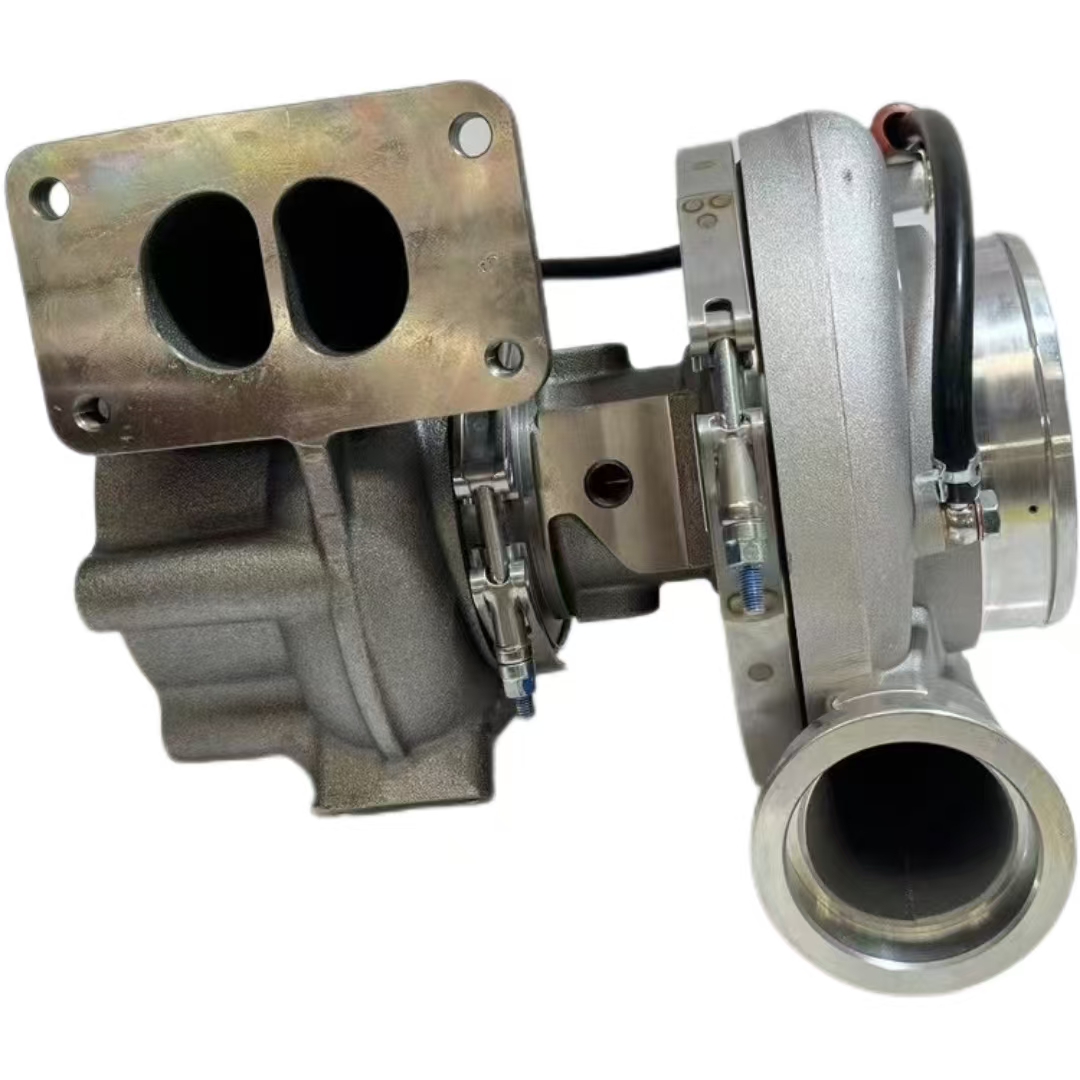
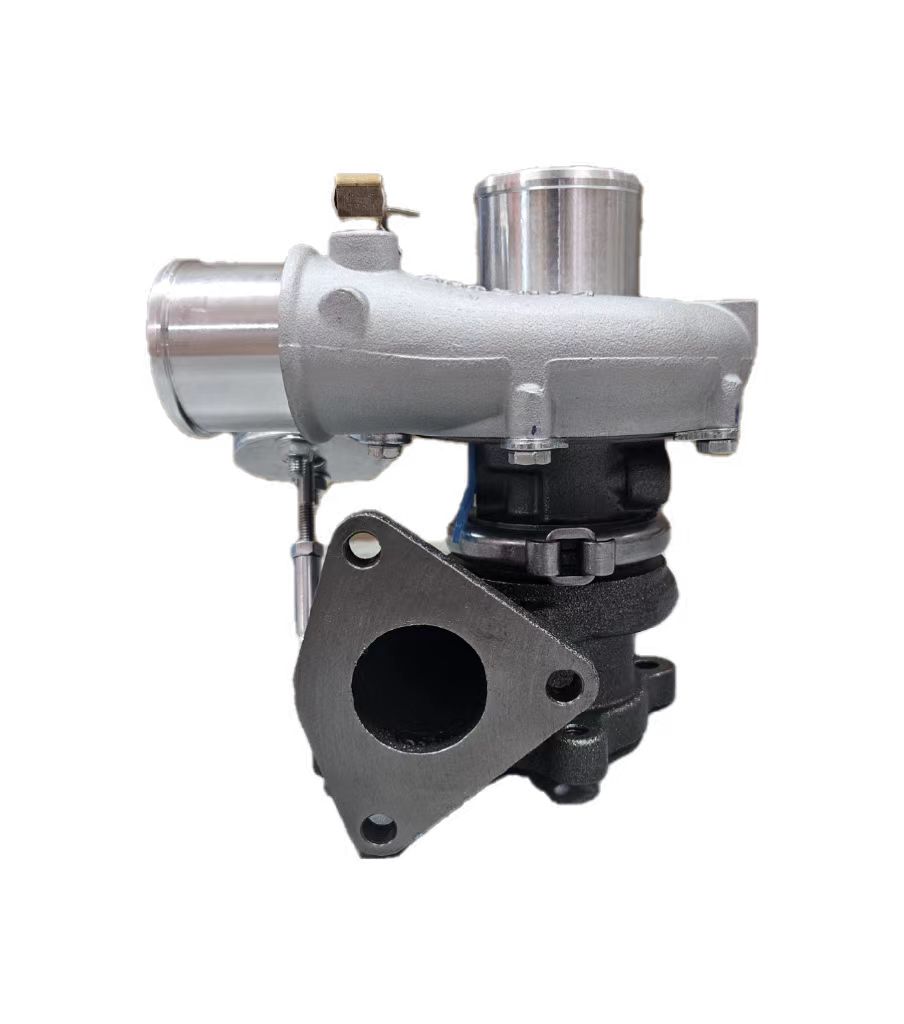
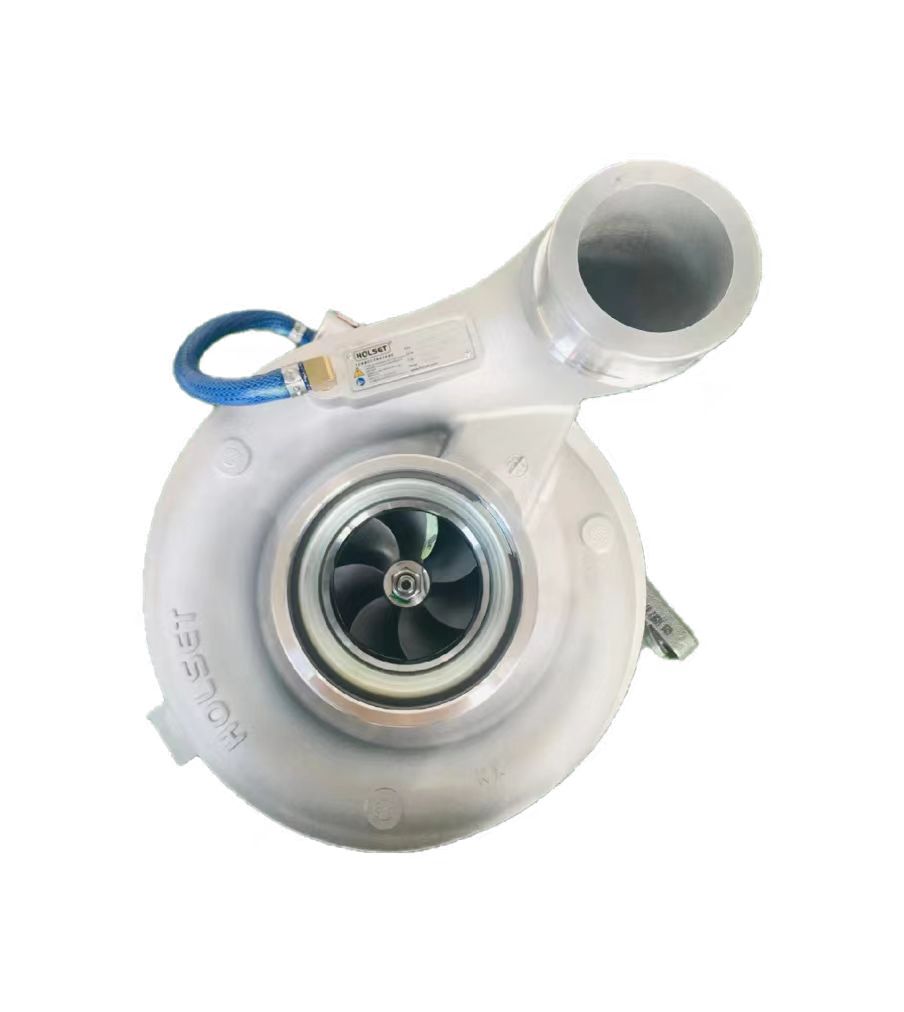
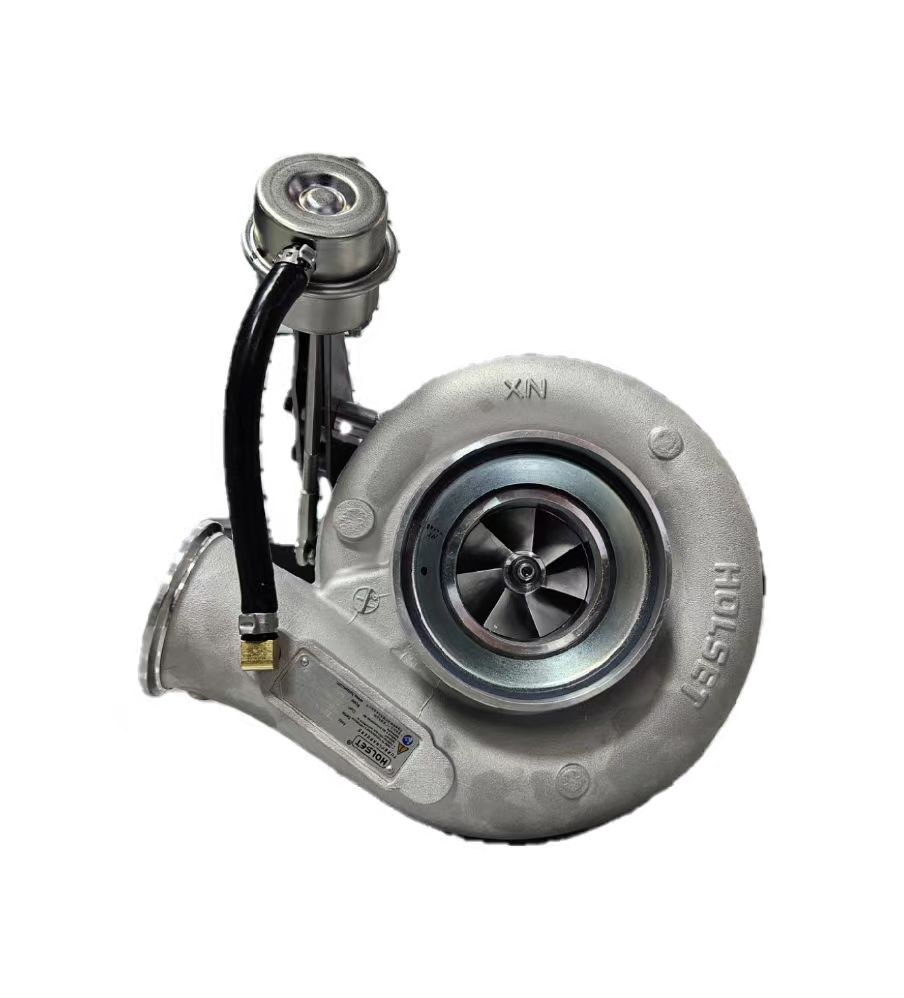
Most turbocharger failures are caused by "accumulated wear" rather than sudden damage, with roots mainly concentrated in four aspects: oil, operating habits, intake system, and external factors.
Oil is the "blood" of the turbocharger. Problems mainly manifest in three aspects:
1. Using inferior or mismatched oil with insufficient lubrication, cleaning, and high-temperature resistance, which easily forms sludge to clog oil passages and causes bearing wear due to lack of lubrication;
2. Infrequent replacement leads to oil deterioration and increased impurities, accelerating wear of the turbine shaft and bearings;
3. Long-term failure to replace the oil filter allows impurities to enter the turbocharger, wearing precision components like sandpaper.
Many truck drivers' operating habits directly damage the turbocharger: Slamming on the gas immediately after cold startup—at this time, oil has not circulated to the turbocharger, and high-speed rotating components lack lubrication, wearing bearings in minutes; shutting down immediately after long-term high-speed driving or hauling loads—without oil cooling, the high-temperature turbocharger causes oil to coke and form sludge, clogging oil passages; frequent prolonged idling results in low engine speed and insufficient oil pressure, leading to poor turbocharger lubrication and accelerated component aging.
Intake system failures directly affect turbocharger lifespan: Dirty air filters not replaced in time allow dust and sand to enter the turbocharger, wearing blades and the housing and clogging the intercooler; loose or damaged intake pipelines let unfiltered air carry impurities and cause insufficient boost pressure; a dirty intercooler has poor heat dissipation, leading to high intake temperature, which not only affects power but also increases engine knock risk.
Severe engine oil burning and excessive carbon deposits indirectly affect turbocharger operation; vehicle collisions and foreign objects entering the turbocharger cause external damage; in addition, turbocharger components have a natural lifespan—blades, bearings, etc., gradually age and wear after long-term high-intensity use.
Preventing turbocharger failures is more cost-effective than repairing them. Doing the following well can extend the turbocharger's lifespan by several years.
Prioritize fully synthetic oil recommended by the manufacturer, as it has better cleanliness and high-temperature performance suitable for turbochargers. Never use inferior oil to save money. Adjust the replacement cycle according to operating conditions: Replace conventional oil every 5,000 kilometers and fully synthetic oil every 8,000-10,000 kilometers; for trucks frequently operating on construction sites, hauling heavy loads, or in high-temperature areas, shorten the cycle by 20%. Always replace the oil filter when changing oil to avoid impurity residue.
Idle the engine for 1-2 minutes after cold startup (extend to 3 minutes in winter) to allow oil pressure to rise and fully lubricate the turbocharger before driving; idle for 2-3 minutes to cool down after long-term high-speed driving or hauling loads—never shut down immediately for vehicles without delayed cooling function; avoid prolonged idling (shut down if idle time exceeds 5 minutes). Drive gently without slamming on the gas when the engine is cold or at low speeds—smooth driving not only protects the turbocharger but also saves fuel.
Inspect the air filter every 5,000 kilometers and replace it when dirty; shorten the inspection cycle for vehicles driving on dusty roads. Regularly check the intake pipeline to ensure firm connections and no damage—immediately locate air leakage points if a "hissing" sound is heard. Inspect the intercooler every 20,000 kilometers, blow off dust with compressed air, or disassemble and clean it if necessary to ensure heat dissipation and intake efficiency.
Before each trip, check for oil leakage near the turbocharger and listen for abnormal noises after startup. Have professional maintenance personnel conduct a comprehensive inspection every 20,000-30,000 kilometers, focusing on turbine shaft clearance, blade condition, and seal tightness. Pay attention to the dashboard—immediately stop and inspect if the boost pressure warning light illuminates or power drops suddenly; never force driving.
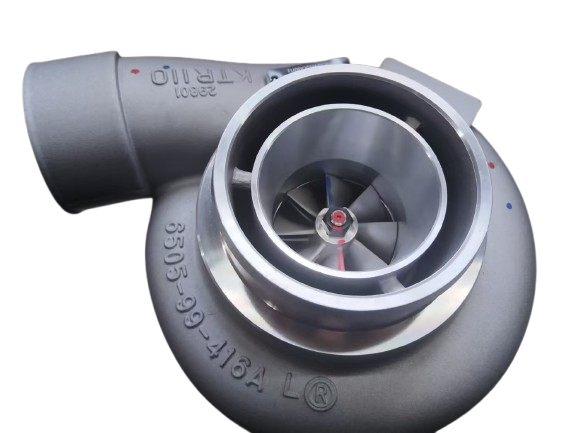
In case of a turbocharger failure on the road, correct emergency handling can avoid further losses. Remember the following key operations.
Immediately release the gas pedal to decelerate and pull over. Idle to observe for minor noises; shut down immediately for severe noises to prevent blade breakage or bearing damage. Check if the intake pipeline is disconnected or has obvious oil leakage by yourself; contact maintenance rescue if unable to determine the cause—never continue driving.
Stop immediately to check the oil level. Drive slowly to the nearest maintenance shop if oil loss is slight; call a tow truck if oil loss is severe to avoid damaging the three-way catalytic converter and increasing maintenance costs.
If the engine still runs normally, drive slowly to the maintenance shop without getting on highways or hauling heavy loads. Closely monitor the water temperature gauge to prevent engine overheating due to excessive load.
Master the following skills when turbocharger maintenance is needed to ensure quality and save costs.
For damaged small components like seal rings and bearings, replace them individually—this costs more than half less than replacing the entire turbocharger assembly. Replace the assembly only if blades are damaged, the housing is severely worn, or the turbine shaft is bent; never make do with defective parts to avoid secondary failures.
Prioritize original parts for reliable quality (though more expensive); regular brand parts offer high cost-effectiveness and qualified quality. Never use counterfeit parts—they are cheap but have short service lives and are prone to repeated failures, resulting in more losses than gains.
Drive gently for the first 500 kilometers after replacing the turbocharger—avoid slamming on the gas or hauling heavy loads to allow full component break-in. Check the oil level immediately after maintenance and re-inspect for oil leakage after a period of operation to ensure no hidden dangers.
Though small in size, the turbocharger is a "core component" of truck power. Most of its failures stem from improper oil selection, poor operating habits, and lack of daily maintenance—not inherent quality issues. For truck drivers, spending a few extra minutes on daily inspections and maintenance, and developing standard operating habits, can significantly reduce failure risks. The saved maintenance costs and time are enough for more trips. Remember: Taking good care of the turbocharger is protecting truck power, as well as your transportation efficiency and income.