chris@alfredturbo.com
+86-18112348562
Language
Please Choose Your Language

Views: 5 Author: Site Editor Publish Time: 2026-02-13 Origin: Site


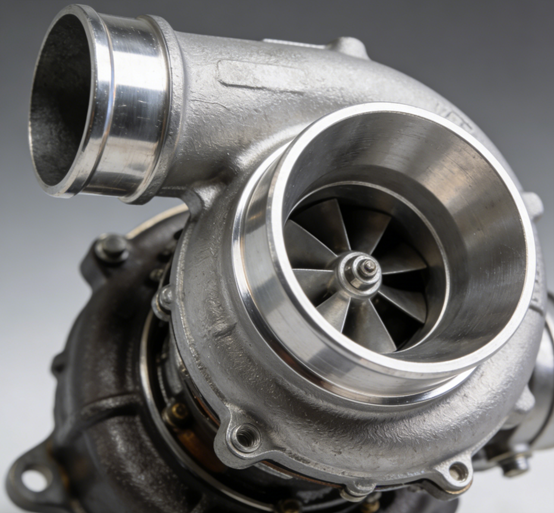
The turbocharger is known as the "heart accelerator" of truck engines. Its core function is to optimize engine air intake efficiency, boost power output while reducing fuel consumption, making it a key component for trucks, especially heavy-duty trucks and engineering vehicles. For distributors, vehicle sales are only the starting point of the business; follow-up maintenance, repair and parts supply are the keys to long-term profitability. The technical level of turbochargers directly determines a truck’s performance, uptime, operating costs and emission compliance. Technological iterations will inevitably affect distributors’ parts inventory, maintenance services and customer retention, making it a core focus for survival in the industry. Despite the rise of new energy vehicles, turbochargers remain irreplaceable in the short term as the core component for improving power and controlling fuel consumption in heavy-duty trucks and engineering vehicles.
The truck industry is now fiercely competitive, and price wars alone are no longer sustainable. Customers buy trucks to make profits, and they pay far more attention to vehicle operating costs, uptime and maintenance convenience. If turbocharger technology is not properly matched, vehicles are prone to breakdowns, which not only hurt customers’ operating income but also damage distributors’ reputations. On the contrary, early insight into technological trends, adequate preparation of suitable parts and development of professional maintenance capabilities will help distributors lock in customers through differentiated services and gain an edge in fierce competition. Technological iteration, policy guidance and changing market demand have brought new opportunities for distributors to expand their business boundaries, while also raising higher requirements for their services and capabilities.
This is the most common technology on the market. It uses exhaust gas from the engine to drive the turbine, which in turn drives the compressor to "charge" the engine. Its core advantages are mature technology and relatively low production costs, making it suitable for most mid-to-low-end truck models and the most replaced category in the after-sales market. However, it has an obvious drawback: slow power response at low speeds, known as "turbo lag" — power only comes with a delay after stepping on the accelerator, which is particularly noticeable during heavy-load start-ups and climbing, affecting driving experience and operational efficiency.
By dynamically adjusting the angle of turbine blades, it ensures optimal boosting efficiency at both low and high engine speeds. It solves the problem of low-speed lag while delivering sufficient power at high speeds, making it the standard technology for mid-to-high-end trucks. However, due to its complex structure, manufacturing costs are high and maintenance is more difficult than traditional models. It was previously monopolized by international giants with limited penetration in the domestic market.
Turbochargers operate under harsh conditions — high temperatures, high pressures and high rotational speeds, making them prone to oil leaks, blade oxidation and wear, and bearing damage. Most truck drivers report that ordinary turbochargers require inspection or replacement after running more than 100,000 kilometers, which not only increases customers’ maintenance costs but also puts continuous pressure on distributors’ after-sales services.
Turbocharger parts from different brands and models are not interchangeable, and maintenance requires special tools and professional skills. Most small repair shops at or below the county level cannot handle complex repairs, forcing customers to rely on authorized service stations, resulting in high costs, long waiting times and frequent complaints.
Since the full implementation of China VI emission standards, requirements for the intake control accuracy and emission adaptability of turbochargers have increased significantly. Traditional technologies can no longer meet compliance needs, leading to higher failure rates for some old models and accelerating market transition to new technologies.
Electrically assisted turbocharging adds a small electric motor to drive the turbine at low speeds, completely eliminating lag, and switches to exhaust gas drive at high speeds, balancing power and fuel economy. This technology is not only suitable for hybrid trucks but also significantly improves the performance of traditional diesel trucks after retrofitting. Brands such as BorgWarner and Weichai have adopted it in mass-produced new models. The more advanced electric turbocharger can work independently without exhaust gas drive, with response speed increased by more than 50%, making it the core configuration for future high-end models.
Future turbochargers will be deeply integrated with the engine ECU through sensors, collecting real-time data on speed, pressure and temperature, and achieving intelligent regulation via standard protocols such as J1939 to keep the engine running optimally. They also support remote diagnosis and predictive maintenance, like installing a "smart brain" on the turbocharger to warn of failures in advance and reduce downtime losses.
High-temperature alloys will become the mainstream material for turbine blades, capable of withstanding temperatures above 800°C, reducing oxidation and wear, and extending service life by more than 30% compared with traditional materials. Some high-end products will also use ceramic bearings and titanium alloy parts to further reduce friction loss and adapt to complex working conditions. Corrosion-resistant materials will be gradually adopted for high-humidity environments in Southeast Asia and southern China.
3D printing, laser welding and other processes will be widely used in the production of turbine impellers, housings and other components. They can precisely control shapes to improve boosting efficiency, reduce material waste and achieve lightweight design. Higher manufacturing precision also improves component matching, reduces failures such as oil leaks and abnormal noises, and lowers after-sales disputes.
Turbochargers will gradually be integrated with EGR, after-treatment systems and intercoolers to form a "powertrain module", featuring a more compact structure, fewer failure points and easier installation. Modular design realizes universal core components and differentiated peripheral parts for different models, greatly reducing distributors’ inventory pressure and improving the universality of maintenance parts.
The lightweight trend of trucks drives turbochargers to "lose weight". Through new materials and structural optimization, the weight of future products is expected to be reduced by 20%-30%, helping to increase the vehicle’s loading capacity. Meanwhile, miniaturized design adapts to tighter engine compartments, improves heat dissipation and frees up space for other components.
Previously, core technologies such as VGT were monopolized by international giants. At present, domestic enterprises including Tianyan, Fengwo and Alfredturbo have achieved technological breakthroughs. Domestic VGT products are 20%-30% cheaper than imported ones, with remarkable cost-performance advantages. With the drafting of China VII standards, domestic turbochargers have stronger advantages in adapting to domestic emission regulations and responding to market demand. The domestic substitution rate has risen to 39.2% and will continue to climb.
Truck ownership is stable in mature markets such as Europe and the United States, with demand focused on after-market replacement and technological upgrades. Driven by the upcoming Euro VII emission standards, demand for electrically assisted and intelligent turbochargers is surging in Europe. With an average vehicle age of 12 years, the replacement rate of turbochargers has risen sharply, creating a large after-sales market. The North American market focuses on durability and modification demand, with significant growth in large-displacement turbocharger modifications for heavy trailers and pickups. Meanwhile, stricter EPA standards force old models to upgrade to compliant products such as VGT, bringing technical service opportunities for distributors.
Emerging markets in Southeast Asia, Africa and South America have become the core engines of global growth. Increased infrastructure investment has driven a surge in the number of heavy-duty trucks and engineering vehicles, with turbocharger demand growing at an annual rate of over 10%. Emission regulations in these markets are gradually tightening (transitioning from China IV to V and VI), but customers are highly sensitive to cost performance. Fixed-geometry turbochargers still dominate, while VGT is accelerating penetration. In addition, uneven fuel quality, high temperature, high humidity or dusty working conditions are common in emerging markets, raising higher requirements for product adaptability and creating differentiated space for suitable products.
The global market is still monopolized by international giants. BorgWarner ranks first with a 29% market share, while Garrett, Mitsubishi Heavy Industries and IHI collectively account for 42%. The four brands have significant advantages in the high-end OEM supporting market. However, domestic enterprises such as Tianyan, Fengwo and Alfredturbo have gained competitiveness through technological breakthroughs in cost performance and delivery speed. Domestic VGT products, 20%-30% cheaper than imports, are rapidly seizing emerging markets and the after-sales sector of mature markets, providing distributors with more profitable supply options.
The global hybrid truck market is developing rapidly, becoming a new growth point for turbocharger demand. Its small-displacement, high-boost engines have urgent needs for matched turbochargers. New hybrid heavy-duty trucks from Volvo, Daimler and other manufacturers are equipped with special electrically assisted turbochargers. Meanwhile, special vehicles such as refrigerated trucks and mining trucks have fast wear and high replacement rates worldwide. European refrigerated trucks demand low-emission turbochargers, while African mining trucks need high-temperature and dust-resistant models. Customers are willing to pay a premium for adaptive products, making these key segmented tracks for distributors.
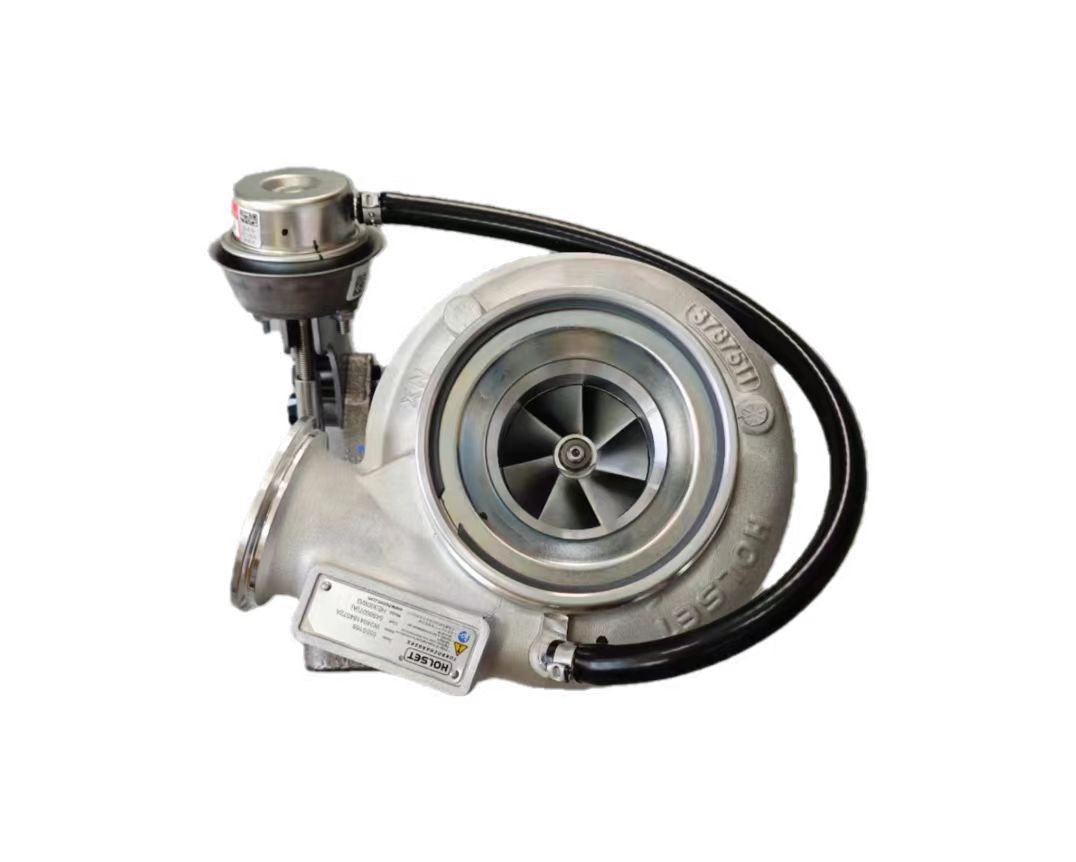
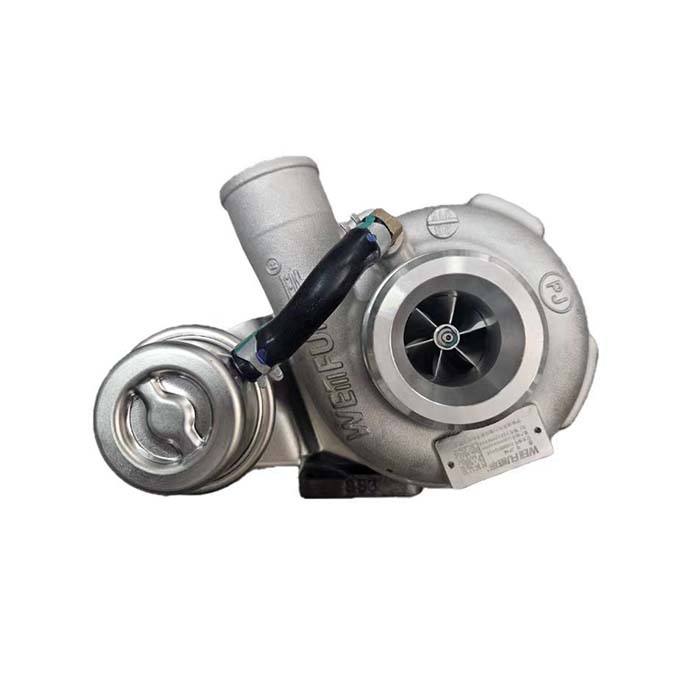
Organize regular manufacturer training for sales and maintenance teams, invite technical experts to give lectures, and systematically learn new technologies such as electric turbos, intelligent control and China VI adaptation. Build a technical information base collecting maintenance manuals and fault cases to improve professional service capabilities.
Gradually purchase special diagnostic instruments, oscilloscopes, pressure testers and other equipment to adapt to the maintenance needs of electrified and intelligent products. Establish a technician training and grading system, recruit or train professionals proficient in electronic control and new technologies, and improve practical capabilities through manufacturer training and mentorship.
Focus on incremental products such as electrically assisted turbos, VGT and high-altitude adaptive models, while retaining stocks of traditional mature models to meet the needs of existing customers. According to regional vehicle ownership, stock more two-stage turbochargers and low-temperature resistant products in central and western regions, and special turbochargers in areas with concentrated hybrid models. Adopt a "small quantities, frequent orders" model to reduce inventory backlog.
Deepen cooperation with domestic leading enterprises such as Tianyan, Fengwo and Alfredturbo to enjoy more competitive prices and policy support. Meanwhile, establish 2-3 alternative suppliers to avoid over-reliance on a single channel. Stick to the bottom line of quality, reject low-cost and inferior products, and protect brand reputation.
In pre-sales, recommend suitable products accurately based on emission regulations and working conditions in different countries. For example, promote Euro VII-compliant electrically assisted turbochargers to European customers and high-temperature and dust-resistant models to African customers, while providing multilingual technical manuals and sample testing services. In after-sales, build a global response system, set up multilingual technical teams, and provide remote diagnosis and cross-border on-site maintenance services. In view of long overseas logistics cycles, establish a fault early warning mechanism and emergency parts reserve to minimize customer downtime losses. Launch regional preventive maintenance packages and conduct regular inspections according to local driving habits, realizing the transformation from "passive maintenance" to "active service".
Offline, deepen cooperation with overseas regional core distributors, truck 4S shops and large cross-border logistics fleets, grant regional exclusive agency rights, bulk purchase discounts and localized technical support, and jointly build overseas service outlets. For mature European and American markets, connect with well-known after-sales channels such as NAPA and AutoZone; for emerging markets, cooperate with local strong repair chain brands to quickly penetrate the sinking market. Online, rely on international platforms such as LinkedIn and YouTube to release multilingual product introductions and maintenance tutorials, and carry out cross-border live training; build online service ports to support multilingual consultation, repair requests and orders, connect global channel links and improve service coverage efficiency.
Sort out emission regulations, mainstream models and turbocharger technical requirements in major global markets (Europe, America, Southeast Asia, Africa), and establish a "region-model-technology" corresponding database. Clean up inventory, eliminate outdated models only suitable for the domestic market, and supplement international mainstream products such as electrically assisted turbos and VGT. Carry out basic training in multilingual services, international certification and cross-border logistics to build a solid foundation for global services.
Gradually invest in cross-border maintenance equipment and tools, and reserve compound talents with both technical capabilities and foreign language proficiency. Design regional service products, launch overseas extended warranty, cross-border emergency maintenance and other packages to expand revenue sources. Set up overseas warehouses and localized service teams in core European and Southeast Asian markets to shorten parts delivery cycles and service response times.
Focus on core electrification and intelligent technologies, build overseas special maintenance service capabilities, and apply for authoritative technical certifications in European and American markets. Establish supporting cooperation with international leading truck manufacturers to become OEM-level suppliers. Build a global brand reputation through high-quality localized services and compliant products, form the core competitiveness of "technology + service + localization", and realize the transformation from regional distributors to global comprehensive service providers.
Turbocharger technology is undergoing a wave of electrification, intelligence and domestic substitution, which brings both challenges and opportunities for truck distributors. In the future market, the profit margin of simply "selling products" will continue to shrink. Only by transforming into a comprehensive service provider of "products + technology + services" can distributors gain a foothold in the competition. Distributors should follow the trend, arrange new technologies in advance, reserve talents, optimize services, adhere to the bottom line of quality, deeply cultivate regional and segmented markets, win customer trust with professionalism and create long-term value with services. Remember, vehicle sales are temporary, and high-quality services are the core of long-term operation. Seizing the dividends of technological change will help grasp the initiative in the future market.