chris@alfredturbo.com
+86-18112348562
Language
Please Choose Your Language

 |


HE551V
Alfredturbo
2842412 2843888 2843889 2881994 3768268 3768268H 4035678 4036666 4041090
4043215 4043226 4045753 4089551 5352715
7 days
60000/ per month
| Quantity: | |
|---|---|
Product Description
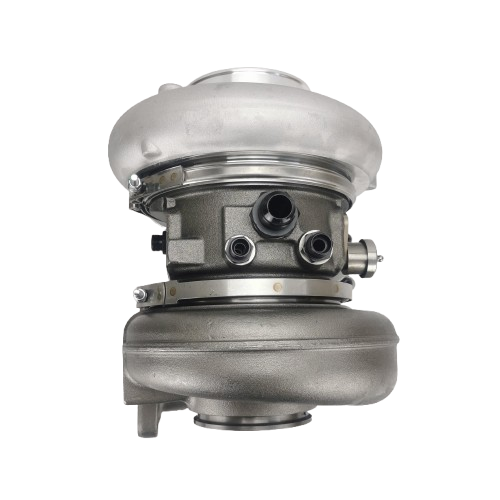
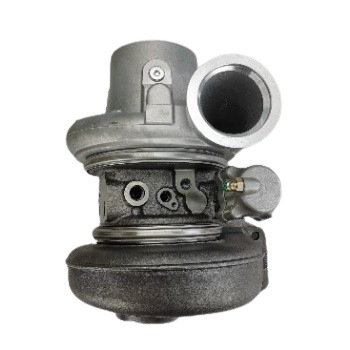
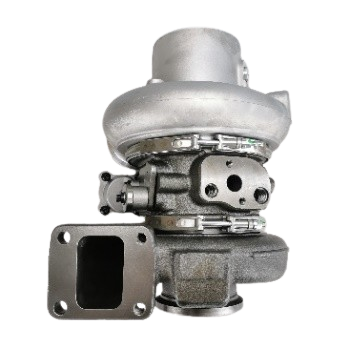
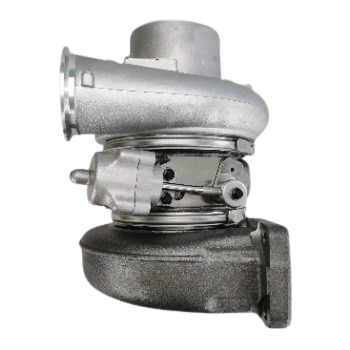
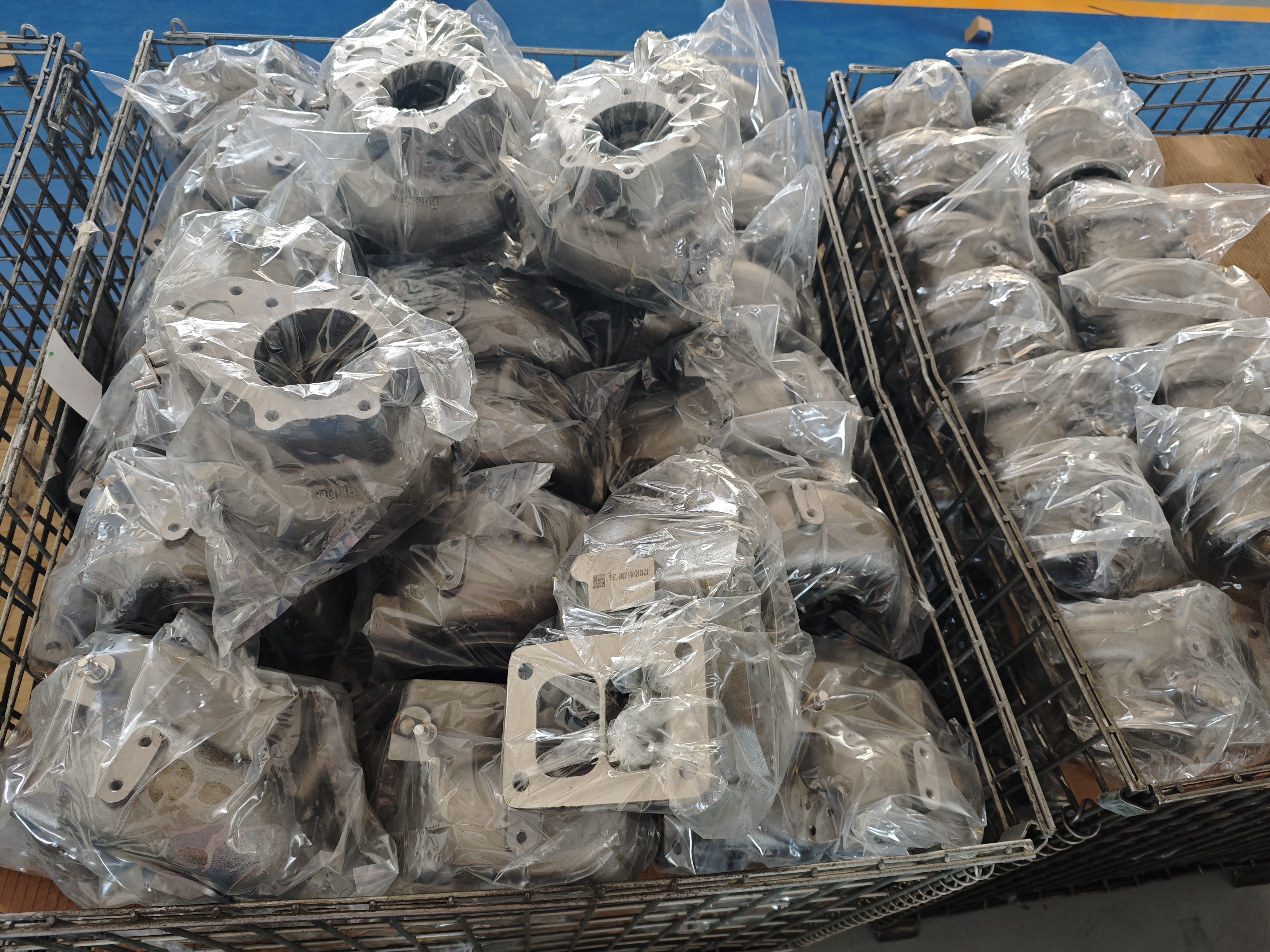
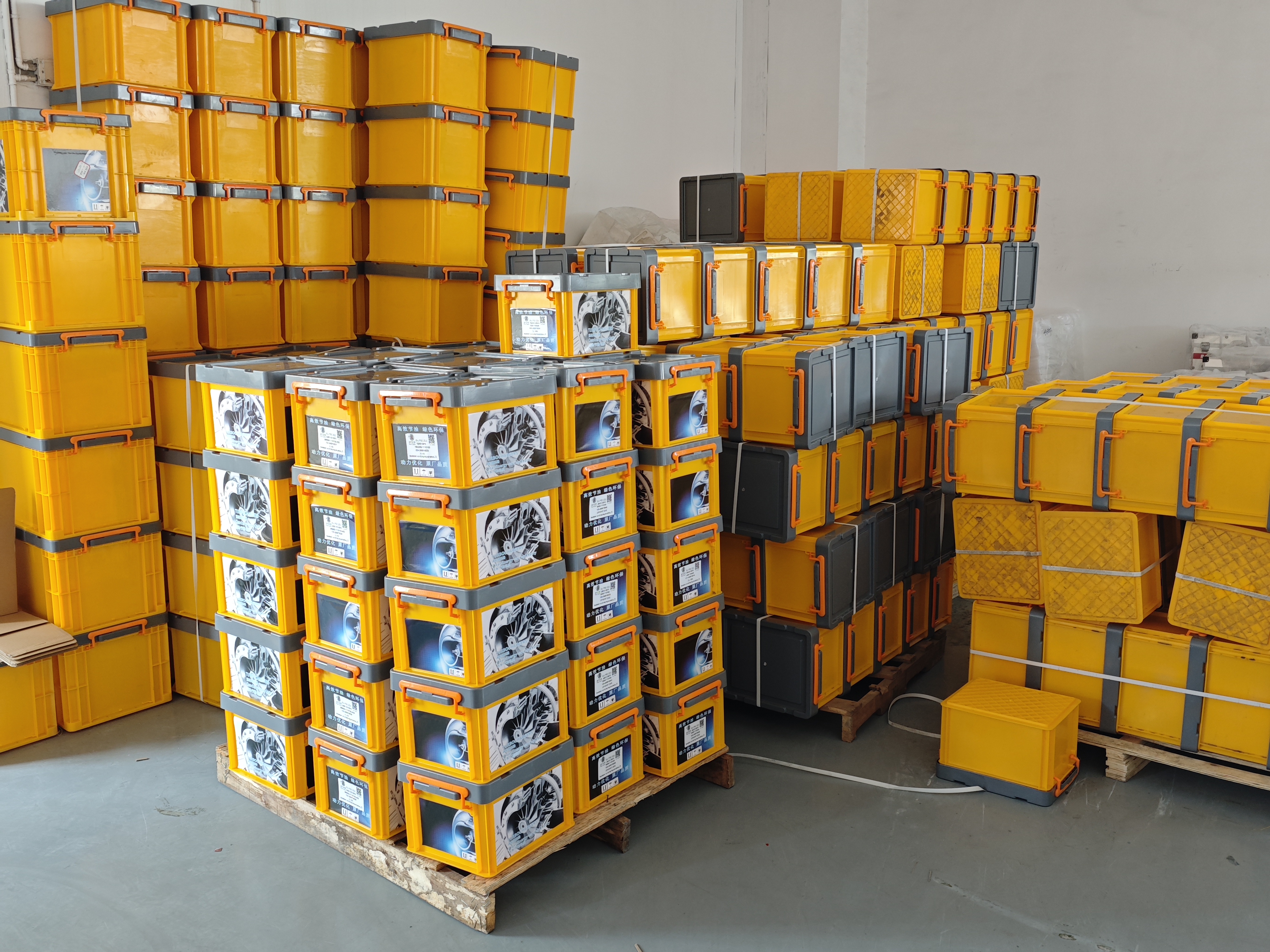
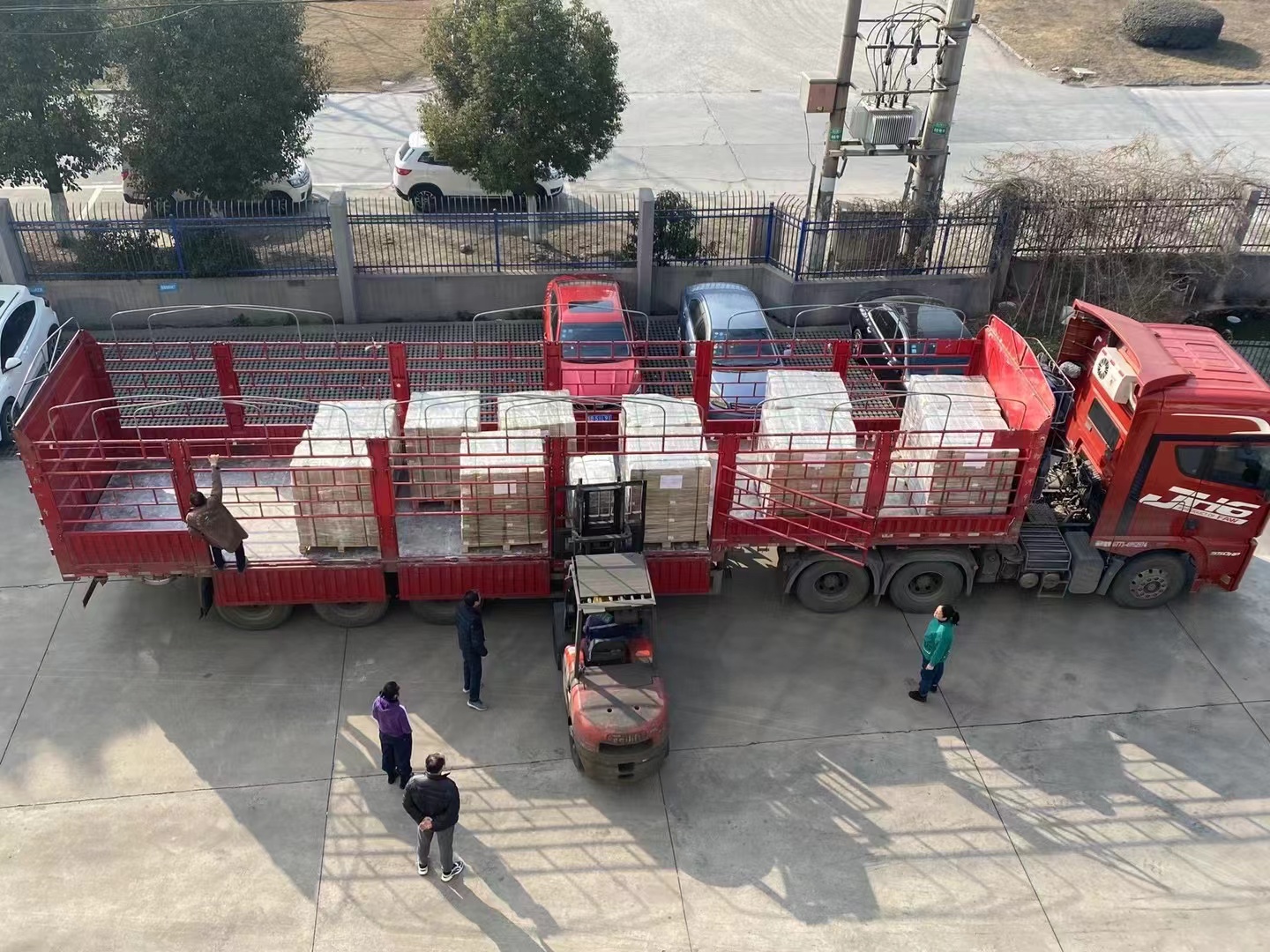
We have pre-sale, sale, after-sales perfect service system
We can provide you with all the models you need, all OE genuine
Our experienced sales will give you the best suggestions and save you time.
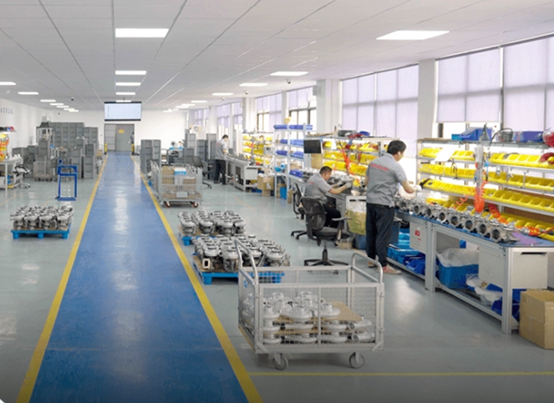
Professinal engineer design and produce.
All the products will be strictly tested anf checked before shipping.
FAQ
We have pre-sale, sale, after-sales perfect service system
We can provide you with all the models you need, all OE genuine
Our experienced sales will give you the best suggestions and save you time.
Professinal engineer design and produce.
All the products will be strictly tested anf checked before shipping.
VGT stands for Variable Geometry Turbocharger. It is also commonly referred to as VNT (Variable Nozzle Turbo) in the industry.
By installing a ring of angle/position-adjustable guide vanes inside the turbine, it changes the cross-sectional area of the turbine inlet passage in real time according to engine speed and load, so as to achieve optimized supercharging under all operating conditions. Its core value is to eliminate turbo lag and balance low-speed response with high-speed power.
The VGT controls the movement of the guide vanes via the ECU to change the A/R ratio (Area/Radius ratio) of the turbine housing:
Vaness close → exhaust passage narrows → exhaust flow speed increases → turbo builds boost quickly → almost no lag.
2. Medium engine speed
Vaness open gradually → balances boost pressure and exhaust back pressure → smooth and linear power output.
3. High engine speed
Vaness fully open → maximum passage area → reduces exhaust resistance → prevents turbo overspeed and delivers high power.
1. Almost eliminates turbo lag, making starting and low-speed acceleration more responsive.
2. Achieves high-efficiency supercharging over the full speed range, with more linear power and a wider usable speed range.
3. Improves low-speed torque (typically by 20%–50%), resulting in stronger performance under heavy load and climbing.
4. Reduces fuel consumption by lowering exhaust back pressure and pumping losses.
5. Lowers emissions and better meets stringent regulations such as China 6 and Euro 6.
6. Most designs can eliminate the need for a wastegate, resulting in a simpler system.