chris@alfredturbo.com
+86-18112348562
Language
Please Choose Your Language

Views: 0 Author: Alfredturbo Publish Time: 2026-09-07 Origin: Site


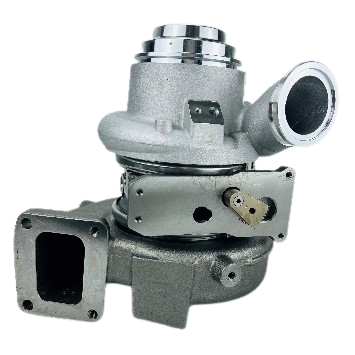
In the global commercial‑vehicle long‑haul trunk logistics sector, diesel engines still hold an absolutely dominant position. However, as carbon‑emission regulations in Europe and North America keep tightening and international oil prices remain persistently high, fuel costs have become the core operating expenditure for overseas logistics fleets, even accounting for more than one‑third of total operating costs. For major truck OEMs and global freight enterprises, how to maximise the combustion value of diesel, cut vehicle fuel consumption and improve operating returns has become a core research topic for long‑term development.
Among numerous fuel‑saving and efficiency‑enhancing technologies, Volvo Trucks’ proprietary Turbo Compound system stands out. This technology is not a conceptual lab‑only innovation; instead, it is a proven power solution that has undergone decades of massive real‑world road validation and large‑scale commercial deployment across North America and Europe. Its most prominent highlight lies in the coordinated operation of two turbos to recover exhaust waste heat that would otherwise be discarded by conventional trucks, converting waste exhaust gas into driving power for the vehicle. It delivers effective fuel savings and cost‑efficiency gains without compromising payload capacity or power delivery.
Many overseas fleets, repair workshops and turbo spare‑part purchasers often confuse the Turbo Compound system with a conventional twin‑turbocharging system and fail to clarify its core principles and advantages. Today, we conduct a comprehensive breakdown of the Volvo Turbo Compound system from four dimensions: technical principles, core advantages, real‑world overseas fuel‑saving cases, and industry maintenance points. We place sharp focus on the functions and value of core turbo components to deliver professional reference for overseas logistics practitioners and auto‑parts distributors.
To fully understand Volvo’s Turbo Compound technology, we must first break down established perceptions: the turbocharger in ordinary trucks is only responsible for compressing intake air to improve engine combustion efficiency. In contrast, Volvo’s Turbo Compound system is a dual‑turbo coordinated energy‑recovery system. The two turbos perform distinct, dedicated roles: one handles intake boosting, while the other recovers waste‑gas energy. This constitutes its fundamental difference from conventional twin‑turbocharged vehicles. The whole system centres on turbo components and operates via a purely mechanical structure with no assistance from electric motors or batteries, delivering exceptional stability.
Volvo’s D13TC Turbo Compound engine is still fitted with a high‑performance OEM primary turbocharger, which forms the foundation of the entire system. High‑temperature, high‑pressure exhaust gas generated by combustion in the engine cylinders first strikes the primary turbo wheel, driving the compressor wheel to rotate at high speed and compress fresh ambient air for delivery into the cylinders. Sufficient intake air enables more complete diesel combustion, boosting engine power and lowering baseline fuel consumption at the source — the core operating logic of all turbocharged diesel engines.
Differing from ordinary heavy‑duty truck turbos, this Volvo primary turbo undergoes targeted calibration and optimisation. Whereas conventional turbos extract exhaust‑gas energy to the maximum for work output, the primary turbo adapted for the Turbo Compound system must reserve adequate residual exhaust pressure, temperature and flow rate. This ensures exhaust gas retains substantial energy after performing work, feeding the downstream secondary power turbine. Higher requirements are imposed on the primary turbo’s impeller dynamic balancing, housing high‑temperature resistance and sealing stability, which directly determine the upper limit of subsequent energy‑recovery efficiency. Wear, air leakage or jamming of the primary turbo will substantially degrade the fuel‑saving and power‑delivery performance of the whole compound system.
Many practitioners fall into the misconception that Turbo Compound means “series dual‑turbo intake boosting”, which is entirely incorrect. The primary turbo compresses air to support engine combustion, while the rear‑mounted power turbine takes no part in intake boosting whatsoever. Its sole function is to recover residual exhaust‑gas energy — the core essence of this technology.
After diesel combusts and performs work inside the cylinders, high‑temperature exhaust gas first drives the primary turbo to complete intake boosting. Instead of being discharged directly through the exhaust pipe, the remaining exhaust gas flows onward and strikes the power‑turbine impeller, spinning it at high velocity. In this process, the same stream of exhaust gas performs work twice, recovering thermal and kinetic energy that would otherwise be released uselessly into the atmosphere.
The power turbine operates at extremely high rotational speeds, peaking at 60 000 rpm — over 30 times the crankshaft speed of the engine. Such extreme rotational speeds cannot connect directly to the crankshaft, as this would cause catastrophic damage to the powertrain. Volvo therefore incorporates a dedicated transmission setup: a hydraulic coupling cushions speed fluctuations and isolates engine vibration, followed by a multi‑stage reduction gear set for precise speed reduction. Mechanical energy from the power turbine is then smoothly transmitted to the engine crankshaft to generate additional free torque, with zero extra diesel fuel consumed throughout the process.
Two major routes exist for commercial‑vehicle Turbo Compound systems. All Volvo D13TC variants adopt mechanical Turbo Compound, currently the most mature solution best‑suited for long‑haul heavy‑duty trucks. The mechanical setup uses purely physical transmission without complex electronic components, delivering low failure rates and long service life. By contrast, electric Turbo Compound connects the power turbine to a generator, converting exhaust‑gas energy into stored electrical energy. Although aligned with new‑energy trends, it features a complex structure and higher maintenance costs and has not yet seen large‑scale commercial adoption. For turbo spare‑part professionals, distinguishing between these two routes enables accurate matching for repair and replacement requirements.
The value of Volvo’s Turbo Compound system extends far beyond simple fuel savings. Through efficient coordination between the two turbos, the system optimises full‑range engine operating conditions and delivers multiple benefits: enhanced power output, reduced fuel consumption, simplified maintenance and improved driving comfort. It perfectly fits long‑haul trunk‑logistics scenarios across Europe and North America and represents a key reason why numerous overseas fleets prioritise Volvo heavy‑duty trucks.
Thanks to continuous supplementary torque output from the power turbine, the D13TC engine equipped with the Turbo Compound system overcomes the classic drawback of traditional diesel engines: high torque only at high rotational speeds. At an ultra‑low engine speed of 900 rpm, it can deliver peak torque of 2 600‑2 800 N·m. During heavy‑load hill‑climbing or high‑speed overtaking on long‑haul routes, ample power is delivered smoothly without requiring heavy accelerator input or down‑shifting to raise engine speed, bringing faster and more linear power response.
Cross‑border trunk routes in Europe and North America feature many undulating sections and long gradients. Conventional heavy‑duty trucks require frequent down‑shifts and higher engine speeds to sustain power, subjecting the engine and gearbox to persistent high loads. By comparison, Turbo Compound‑equipped Volvo vehicles can cruise in high gears at low engine speeds for extended periods, drastically cutting gear‑shift frequency and reducing powertrain wear while mitigating driver fatigue during long journeys. Driver teams at UK‑based Solstor Transport report reduced vehicle vibration and noise aboard Volvo FH trucks fitted with this system, bringing major improvements in long‑haul ride comfort.
Free additional power from the Turbo Compound system means vehicles do not need high engine speeds to maintain highway travel. Volvo implements targeted vehicle‑level optimisations: the rear‑axle gear ratio is lowered from the conventional 2.64 to 2.47, paired with the proprietary I‑Shift intelligent gearbox. During highway cruise, engine speed stabilises below 1 050 rpm. Lower engine rotational speeds minimise internal frictional losses, delivering substantial fuel‑consumption reductions at a physical level.
The system achieves its best performance under highway full‑load or steady‑speed trunk‑logistics operating conditions, perfectly matching intercontinental long‑haul workflows in Europe and North America. Compared with vehicles without Turbo Compound, it delivers superior engine combustion efficiency and fuller energy utilisation. Its fuel‑saving benefits accumulate over long‑term operation and generate considerable cost savings for fleets.
Volvo’s Turbo Compound unit dispenses with complex electronic controls, electric motors and battery assemblies. It runs entirely on purely mechanical components including turbos, gears and hydraulic couplings. It is engineered by the OEM for service life parity with the engine itself and requires no dedicated routine maintenance, significantly cutting fleet maintenance time and expenses.
Even in the event of extreme Turbo Compound system faults, the vehicle will not suffer complete immobilisation. It can still operate normally relying on the base engine, safeguarding logistics delivery timelines. This high reliability and fault tolerance constitute a highly valued core advantage for large overseas fleets prioritising operational stability.
Theoretical OEM data serves only as reference; long‑term real‑world operating figures from overseas logistics enterprises provide the most authentic proof of the Turbo Compound system’s fuel‑saving capability. Since Volvo Trucks North America launched the first‑generation D13TC Turbo Compound engine in 2017, this technology has proven stable and delivers measurable fuel savings across diverse road conditions in North America and Europe.
According to official Volvo Trucks North‑America figures, the first‑generation D13TC Turbo Compound engine achieved a 6.5 % fuel‑saving rate. Following years of hardware and software iteration and optimisation, the latest‑generation model delivers an 11 % improvement in overall fuel efficiency versus 2015‑model legacy vehicles. When combined with full‑vehicle aerodynamic packages on flagship VNL‑series trucks, maximum fuel‑saving performance reaches 16 % — a leading figure among peer heavy‑duty trucks.
Tyson Foods, the major North‑American food corporation operating hundreds of long‑haul heavy‑duty trucks, conducted extensive cross‑model comparative testing. It selected the Volvo VNL 740 tractor unit fitted with the D13TC Turbo Compound system as its fleet’s primary vehicle, citing consistent fuel‑saving performance and extremely low failure rates as key drivers. After deploying eleven Volvo VNL 760 Turbo Compound‑equipped trucks, California‑based VTS Transport recorded sharp year‑over‑year per‑vehicle fuel‑cost reductions within six months, fully offsetting the vehicle acquisition premium.
Canada’s Tom MacDonald Trucking long‑haul fleet adopted this platform at an earlier stage, purchasing batches of Turbo‑Compound‑equipped VNL 760 trucks in 2018 for inter‑North‑American long‑distance transport. Fleet‑published data shows each truck saves more than USD 15 000 in annual fuel expenditure compared with older‑spec vehicles. High‑mileage operation maximises Turbo Compound fuel‑saving gains and yields very short payback periods.
Logistics road conditions in Europe are more complex, with abundant mountainous and undulating terrain alongside stringent fuel‑consumption and carbon‑emission requirements. In Europe, Volvo tightly integrates the Turbo Compound system with the I‑Save fuel‑saving suite to create an ultimate energy‑saving solution. Mixed‑condition testing (including hill climbing, descending and steady‑state cruise) of a 39‑tonne fully‑loaded Volvo FH Aero tractor on Poland’s S7 highway delivered an ultra‑low combined fuel‑consumption figure of 22 L/100 km, setting a fuel‑economy benchmark for comparable heavy‑haul trucks.
Measured data from UK‑based cross‑border transport fleet Solstor UK offers further valuable insight. The fleet runs batches of Volvo FH I‑Save 6×2 Turbo Compound tractor units for pan‑European trunk logistics. Under typical operating conditions, fuel‑saving rates hold steady between 6 %‑10 %, reaching as high as 20 % under favourable highway conditions. The cost‑reduction impact is substantial for large‑scale long‑term operations.

Feedback from overseas repair markets and fleet operations across Europe and North‑America shows nearly all core wear‑related and fault‑related issues within the Turbo Compound system originate from its two turbo units. Many fleets lose fuel‑saving benefits due to misconceptions and inappropriate spare‑part selection. As a professional foreign‑trade manufacturer of turbochargers for heavy‑duty trucks, we summarise common industry misconceptions and core spare‑part replacement criteria for overseas distributors, repair shops and fleets.
This represents the most pervasive market misunderstanding. Both turbos in a conventional twin‑turbo setup perform intake boosting to raise engine power output. By contrast, the two turbos within Turbo Compound have entirely separate functions: the primary turbo boosts intake air, while the power turbine recovers energy. Their components, parameters and functions are completely non‑interchangeable. Improper cross‑substitution will directly disable the system and cause sharp fuel‑consumption rises.
Impeller wear, seal ageing and bearing seizing constitute gradual degradation modes that do not trigger vehicle diagnostic trouble codes. Nevertheless, they directly degrade exhaust‑gas‑energy utilisation, bringing on invisible symptoms including diminished power and gradually rising fuel consumption. Many fleets overlook periodic turbo inspections. Over time, all Turbo Compound fuel‑saving advantages vanish and operating costs increase significantly.
The fuel‑saving capability of the Turbo Compound system is highly dependent on stable, sustained high‑temperature exhaust‑gas flow. It is optimised exclusively for long‑haul highway, full‑load or part‑load trunk‑logistics duty cycles. In urban short‑haul service with frequent start‑stop events and idling, unstable exhaust‑gas conditions prevent consistent high‑efficiency operation of the power turbine, greatly diminishing fuel‑saving performance below official test figures.
Genuine OEM spare parts for Volvo Turbo Compound systems carry high price tags and long lead times across European and North‑American markets. Once vehicles fall out of warranty, most small‑to‑medium fleets and independent repair workshops select high‑quality aftermarket replacement turbo components to control maintenance expenditure. This keeps overseas‑market demand for Volvo‑specific heavy‑duty‑truck turbochargers on a sustained upward trajectory.
When replacing turbo components, appearance and interface compatibility alone are insufficient evaluators. Four core parameters must be prioritised: high‑precision impeller dynamic balancing, high‑temperature‑resistant housing material, high‑strength bearing assembly and heat‑resistant sealing architecture. Sub‑standard parameters will lead to wear, oil leakage and vibration under high‑speed operation. Not only will original‑vehicle fuel‑saving performance fail to be restored, but damage may also occur to gear‑drive assemblies, resulting in expensive repair costs.
During the global commercial‑vehicle transition toward new‑energy powertrains, tapping further internal‑combustion‑engine efficiency and optimising turbo‑based energy‑recovery technology remain optimal solutions for long‑haul‑logistics cost reduction and performance improvement. The core breakthrough of Volvo’s Turbo Compound system lies in harnessing otherwise wasted exhaust‑gas energy. Relying on a mature mechanical dual‑turbo coordination architecture, it delivers tangible fuel‑saving and revenue‑boosting outcomes with low maintenance overheads, perfectly addressing core requirements for long‑haul trunk logistics in Europe and North America.
Wider adoption of this technology has prompted the whole heavy‑duty‑truck industry to reassess the core value of turbo components: turbos are no longer simple boosting accessories; they represent central enablers for engine energy recovery and efficiency upgrades. For overseas‑logistics practitioners, understanding Turbo Compound technology supports accurate evaluation of vehicle operational value and helps avoid maintenance‑related pitfalls. For auto‑parts traders, high‑quality, high‑fitment Volvo‑specific turbocharger products represent established must‑have items within European and North‑American aftermarket segments. Going forward, our company will continue to deepen our expertise within the European and North‑American heavy‑duty‑truck turbo space, supplying global clients with premium turbocharger products and supporting solutions that closely match OEM specifications.