chris@alfredturbo.com
+86-18112348562
Language
Please Choose Your Language

Views: 8 Author: Site Editor Publish Time: 2026-01-19 Origin: Site



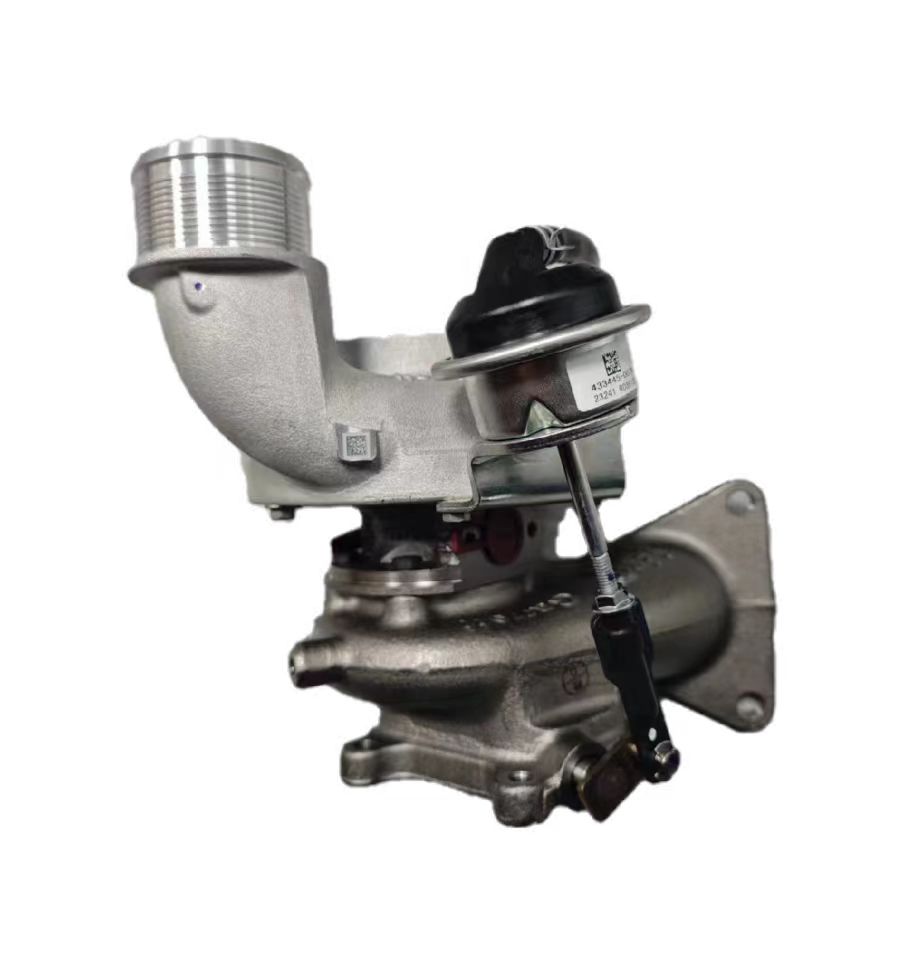
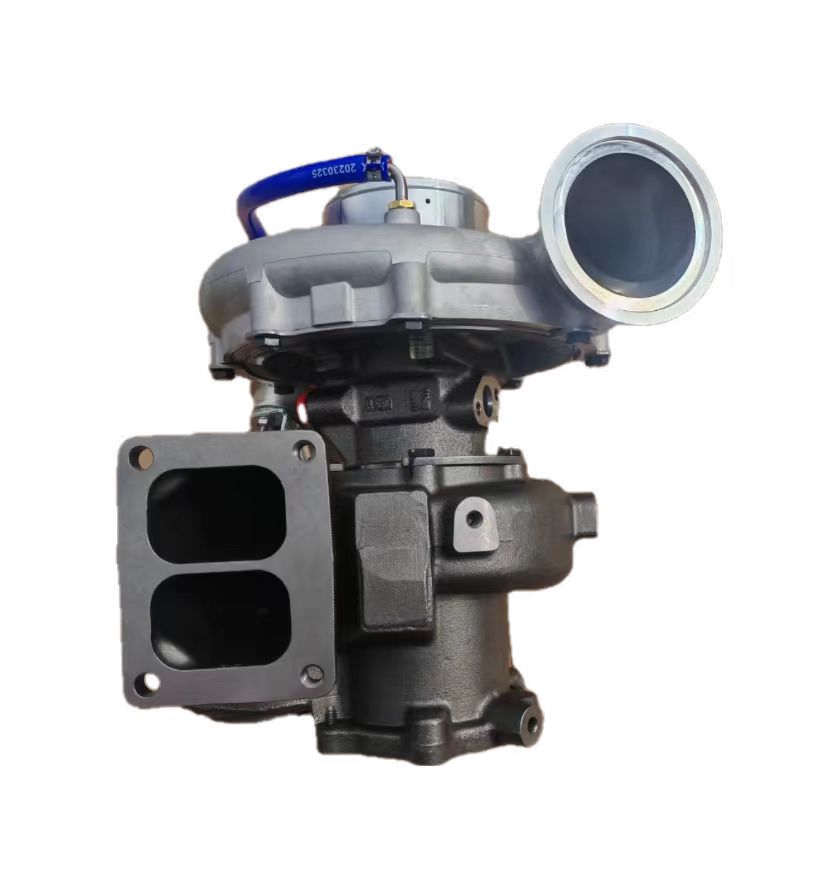
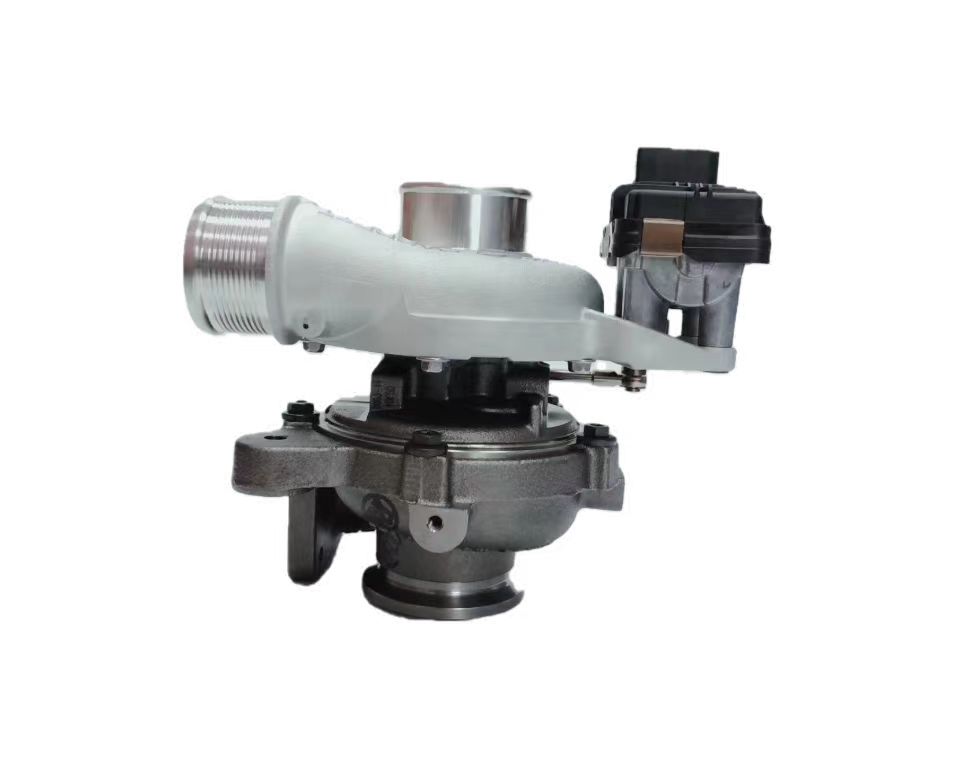
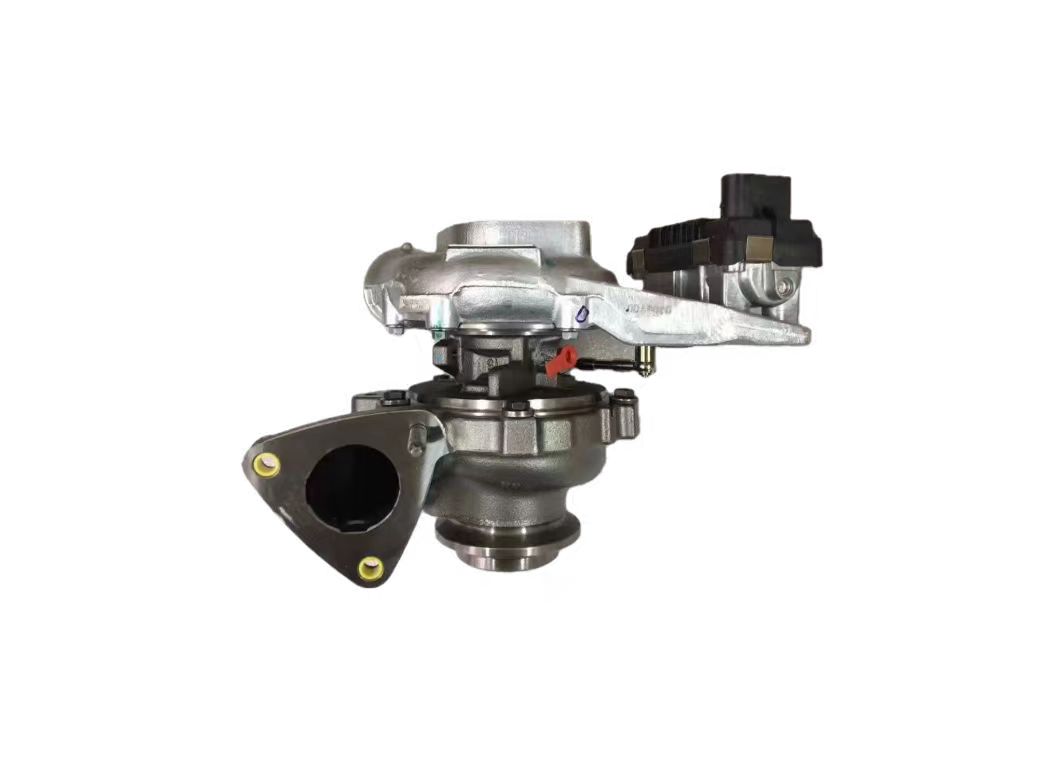
Fellow truckers, if your truck's engine is its "heart," then the turbocharger is like its "super lungs" — allowing it to breathe more freely and deliver stronger power. For long-haul truckers, these "super lungs" directly affect the vehicle's power output and fuel efficiency, and more importantly, the engine's service life. Today, Alfredturbo combines over 20 years of turbo manufacturing experience and actual maintenance data from thousands of trucks to talk to you about: how to take care of these "super lungs" so that your truck can run longer and more powerfully.
Simply put, it works in an extremely "tough" environment — its rotational speed can exceed 100,000 revolutions per minute, and the operating temperature can reach several hundred degrees Celsius. With proper maintenance, it can increase engine efficiency by more than 30% and reduce fuel consumption; however, inadequate maintenance will not only cause theturbocharger to fail easily but also damage the entire engine. The repair cost will be quite high, and delaying the transportation schedule will be even more costly.
In many cases, turbocharger problems are not due to product quality itself, but to inadequate daily maintenance: either using low-quality oil to save money, forgetting to replace the air filter, or having "rough" driving habits. In fact, as long as you find the right methods and develop good habits, you can greatly reduce the probability of failures.
① Allow Sufficient Oil Circulation
- When starting cold, the oil will settle in the oil pan and cannot reach all parts of the turbocharger instantly.
- Idle warm-up allows the oil to gradually flow to key parts such as the turbo bearing and impeller, forming effective lubrication.
② Adapt to Alfredturbo Product Characteristics
- Our Alfredturbo turbochargers adopt a special bearing design, which is inherently suitable for frequent start-stop working conditions.
- However, proper warm-up can further reduce bearing wear and extend the turbocharger's service life.
A reminder here: Never step on the accelerator hard immediately after a cold start. This operation will cause dry friction of the turbocharger components that are not fully lubricated, which can easily lead to damage in the long run.
- After long-distance driving or heavy loading, the turbocharger is in a high-temperature state. If the engine is turned off directly at this time, the oil circulation will stop immediately.
- The residual high temperature will cause the oil to deteriorate, and may also lead to deformation of the turbo blades and aging of the seals.
- Some Alfredturbo turbochargers are equipped with a high-temperature resistant coating, which can improve stability under high-temperature working conditions.
- Idle cooling down before stopping can significantly extend the life of the coating and further improve the durability of the turbocharger.
In addition, note that do not let the engine idle for more than 20 minutes for a long time, otherwise, the oil pressure will be too low, which will also affect the lubrication effect of the turbocharger. If your truck needs to idle for a long time, you may wish to consult Alfredturbo's technical personnel. We will give more reasonable idle use suggestions according to your specific vehicle model.
- Be sure to check the truck manual and choose high-quality diesel engine oil that meets the requirements of the engine manufacturer.
- For example, API CK-4/FA-4 grades commonly used in modern diesel trucks. Do not make do with general-purpose oil.
- Low-quality oil is prone to deterioration at high temperatures, producing sludge that clogs the oil passages.
- Poor lubrication performance will cause dry friction of internal components of the turbocharger, leading to damage in a short time.
When producingturbochargers, we have fully considered the oil adaptability issue. The internal oil passages have been specially optimized to allow oil to circulate more smoothly and reduce the risk of sludge accumulation. In addition, our technical team will recommend the most suitable oil grade according to different brands and models of truck engines, to avoid damage to the turbocharger caused by choosing the wrong oil.
- It is generally recommended to replace the oil and oil filter every 8,000 kilometers.
- The specific replacement can be adjusted according to the manual. Do not wait until the oil turns black and thick before replacing it.
- If you often drive on mountain roads, carry heavy loads, or drive in high-temperature and dusty environments for a long time.
- It is recommended to appropriately shorten the replacement cycle, such as replacing every 6,000 kilometers.
Alfredturbo's experimental data shows that changing high-quality oil on time can extend the life of the turbocharger by an average of 40%. This maintenance investment is definitely worthwhile.
In addition to changing the oil on time, you should also simply check the oil level every month. Open the oil dipstick to ensure that the oil level is between the scale lines, neither too much nor too little. Insufficient oil will lead to inadequate lubrication, while too much oil will increase fuel consumption and may also cause carbon deposits, which are harmful to the turbocharger.
- The impeller of the turbocharger is very precise. A little dust and impurities entering can damage the impeller.
- Dirty air is like sandpaper, which will continuously wear the turbo blades and affect the working balance.
- A clogged air filter will lead to insufficient air intake and reduced boost pressure.
- The engine power will be significantly reduced, and fuel consumption will also increase.
It is recommended that you check the air filter every month, and also focus on checking it during each regular maintenance: if it is only slightly dirty, you can clean it and continue to use it; if it is severely clogged, replace it immediately. Don't risk damaging a thousands-of-yuan turbocharger to save a few dozen yuan on an air filter.
In addition to the air filter, you should also regularly check whether the turbocharger intake pipes are damaged, leaking or loose. Once air leakage occurs, it will lead to unstable boost pressure, which will also affect engine performance. Deal with problems in a timely manner, such as replacing damaged pipes and tightening loose buckles. These small operations do not take much time but can avoid major failures.
- Regularly disassemble the pipe from the air filter to the turbocharger.
- Gently turn the turbocharger's compressor impeller by hand to feel if it rotates flexibly.
- Under normal circumstances, the impeller should rotate smoothly without jamming.
- If it does not rotate smoothly, or if there is obvious gap shaking or abnormal noise, it indicates that the turbocharger may have problems.
This inspection can be done once a month without complex tools; you can do it yourself.
Your turbo is "talking" — can you understand it? The occurrence of the following situations indicates that the turbocharger may be "calling for help" and must be inspected in a timely manner:
If you feel that the car has no power when stepping on the accelerator and accelerates slowly, it is likely caused by insufficient boost pressure, which may be due to a clogged intake system or wear of internal components of the turbocharger.
Blue smoke is usually caused by oil entering the combustion chamber and burning, which may be due to damage to the turbocharger's seals and requires timely maintenance.
Especially high-frequency hissing, whistle sounds, or metal scraping sounds. These are obvious signs of wear or jamming of turbocharger components. Do not continue driving forcibly.
If you find that the frequency of oil replenishment has increased significantly recently, using much more than usual, but no obvious oil leakage point is found, you should suspect that the turbocharger is faulty, leading to oil leakage and combustion.
To make it easier for you to troubleshoot problems, Alfredturbo has established a complete after-sales service network. No matter which region you are in, you can contact our after-sales personnel at any time if you encounter problems related to the turbocharger. We also provide online fault diagnosis services to help you quickly find the root cause of the problem and reduce downtime. Many small problems can be solved with little money if handled in a timely manner. If left until severe damage occurs, not only will the maintenance cost be high, but the transportation schedule may also be delayed.

Finally, I want to tell you that if you want the turbocharger to be easy to maintain and have a long service life, choosing the right brand is crucial. A high-quality and reliableturbocharger itself has better high-temperature resistance and wear resistance, can adapt to complex working conditions, and greatly reduces the probability of failures.
We have been in this industry for more than 20 years, deeply understanding the "temperament" of trucks and the needs of truckers for reliability and economy. Our turbochargers, from design to production, focus on the core needs of "durability, easy maintenance, and strong adaptability":
Adopt a special bearing design, specially designed to cope with the frequent start-stop and long-term high-load working conditions of trucks; the optimized heat dissipation structure makes the turbocharger more stable in performance at high temperatures and reduces failures caused by overheating.
Many models support on-site maintenance without the need for complete machine replacement, which greatly reduces maintenance costs and downtime; the detailed designs such as internal oil passages and intake protection also make daily maintenance simpler and reduce failures caused by human errors.
It's not "close enough is good enough". We ensure that each turbocharger is accurately adapted to the corresponding engine model. Whether it's engines from brands such as Sinotruk, Weichai, Isuzu, or Detroit, you can find a suitable Alfredturbo turbocharger product.
As long as you purchase Alfredturbo turbochargers through formal channels, you can enjoy a 6-month warranty period. During the warranty period, if there are quality problems caused by non-human damage, we will provide free repair or replacement, allowing you to use it more at ease.
In fact, the maintenance of turbochargers is not complicated and does not require much advanced technology. The key is to do the above simple things well and persist in them. Treat it as your partner — take good care of it, and it will take good care of you on the road, helping you save fuel consumption, maintenance costs, and time.
If you have any questions about turbocharger maintenance or replacement, you can contact Alfredturbo's professional technical team at any time. We will wholeheartedly provide you with help. After all, our original intention is to make every truck perform at its best and let truckers spend less on maintenance and run more transportation routes.
Next time you perform maintenance, spend a few more minutes caring about these "super lungs". Your engine will thank you, and your wallet will thank you in the long run. Drive safely, and see you on the road!