chris@alfredturbo.com
+86-18112348562
Language
Please Choose Your Language

Views: 0 Author: Alfredturbo Publish Time: 2026-08-12 Origin: Site


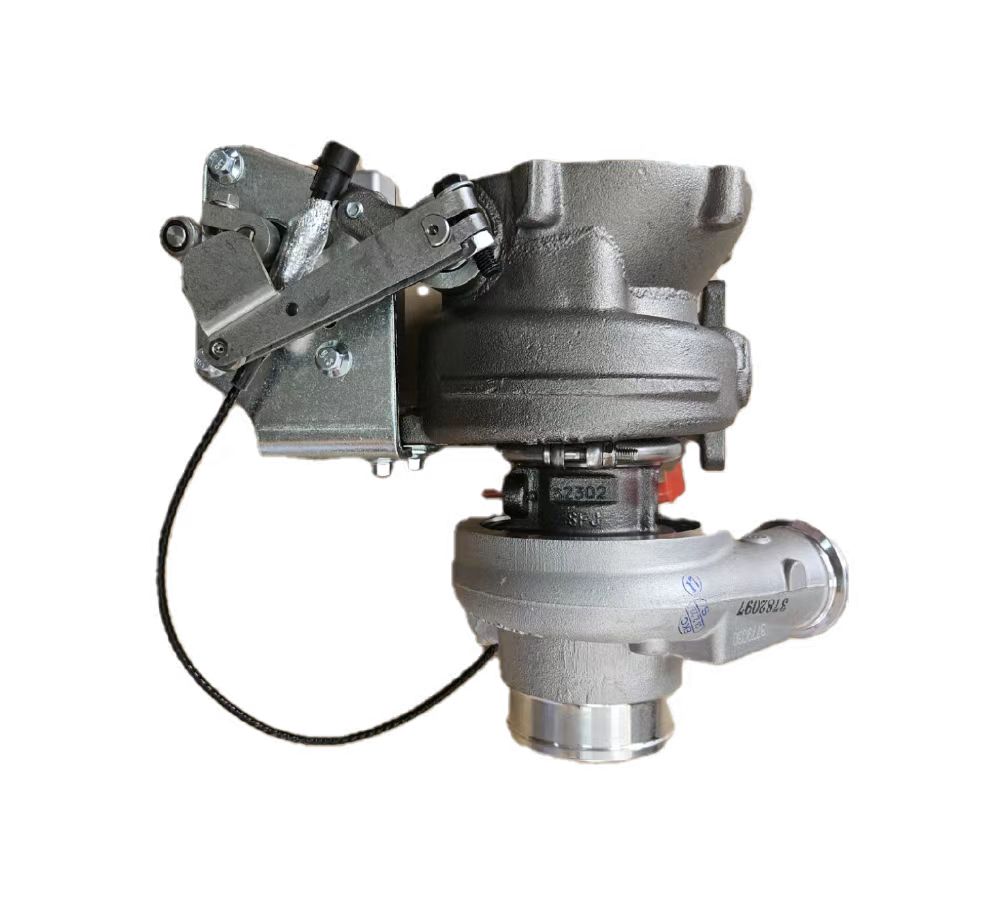
For owner‑operators, fleet operators and repair shops engaged in long‑haul over‑the‑road transportation in North America, Kenworth trucks are absolute workhorses for heavy‑duty hauling. Whether it is the newer T680, W990 and T880 models fitted with the PACCAR MX‑13 engine, or older heavy‑duty Kenworth trucks powered by Cummins and Detroit powertrains, these vehicles operate under heavy load, at high speeds and on continuous long‑distance routes, inflicting severe wear and tear on the powertrain.
When drivers encounter symptoms such as lack of power, black exhaust smoke and spiking fuel consumption, they often suspect engine failure first. In the vast majority of cases, however, the root cause lies with the turbocharger. Known as the “power lung” of a truck engine, the turbocharger features sophisticated construction yet operates continuously under extreme conditions: rotational speeds exceeding 100,000 RPM, high temperature and high pressure. It is therefore one of the most failure‑prone core components on the vehicle.
With over a decade of specialization in the manufacturing and export sales of truck turbochargers, this article avoids complex technical specifications. Using plain, conversational language, it offers a detailed walk‑through covering operating principles, early‑warning fault signs, repair‑or‑replace decision‑making, replacement‑part selection and performance upgrade options for Kenworth truck turbochargers. It also shares practical tips to help buyers avoid pitfalls in overseas procurement. This content is intended for end‑user vehicle owners, overseas repair garages and cross‑border wholesale purchasers.
Many users only know a faulty turbocharger needs replacement without understanding its core function — a key reason behind misdiagnosed faults and blind component purchases. Original‑equipment Kenworth trucks powered by mainstream engines including the PACCAR MX‑13, DT466 and MaxxForce are factory‑fitted with VGT (Variable Geometry Turbochargers). Compared with fixed‑geometry turbochargers, VGT units have more intricate structures and broader functionality, yet they are also more sensitive.
A turbocharger is no decorative add‑on; it is a core component that generates engine power. Simply put, it uses exhaust gas from the engine to spin one turbine wheel at high velocity. The connected compressor wheel spins in tandem to compress fresh intake air and force it into the engine cylinders. Greater air intake enables more complete fuel combustion, which translates into higher horsepower and torque — perfectly matching the operating profile of heavy‑duty Kenworth trucks for hauling, hill‑climbing and highway cruising.
For the large‑displacement 12.9‑litre MX‑13 engine in particular, its matched VGT turbocharger uses an actuator to adjust vane position. This mitigates low‑rpm turbo lag, precisely regulates boost pressure at high engine speeds, and works alongside the EGR and DPF systems to facilitate regeneration. It is a critical part balancing power output, fuel economy and emissions compliance. During operation, rotational speeds easily surpass 100,000 RPM while housing temperatures soar. Under sustained heavy‑duty service, it wears far faster than most other components.
Years of after‑sales data indicate the high failure incidence of Kenworth turbochargers stems not from design defects, but from operating conditions and usage patterns — an industry‑wide common issue:
North‑American long‑haul routes demand continuous high‑load operation, placing persistent stress on turbocharger bearings. On MX‑13 engines, carbon buildup frequently causes VGT vane sticking and actuator parameter drift. Ageing oil supply lines and poor crankcase ventilation can lead to insufficient lubrication, which may ruin a brand‑new turbocharger in short order even after replacement. Furthermore, many repair shops misdiagnose issues: minor faults are left unaddressed while complete turbocharger assemblies are unnecessarily swapped out, raising operational and procurement costs.
Before total turbocharger failure, Kenworth trucks exhibit clear warning signals. Without specialized equipment, operators can perform reliable diagnostics based on power output, fuel consumption, exhaust smoke and abnormal noises. Early detection prevents roadside breakdowns, exorbitant repair bills and waste caused by misinformed part purchases.
At the onset of mild turbocharger faults, reduced power and increased fuel use stand out. Pressing the accelerator raises engine RPM rapidly yet vehicle acceleration remains sluggish. Frequent downshifting becomes necessary when climbing grades under full load. Cruising at steady speeds on level ground, once effortless for a fully‑loaded truck, turns power‑demanding. Meanwhile fuel consumption rises for no apparent reason, DPF regeneration events become far more frequent, and fault codes such as SPN 641 and SPN 102 related to boost pressure and actuator performance may appear on the dash. These signs strongly point to anomalies within the turbocharger system.
Exhaust smoke appearance serves as a vital diagnostic clue for turbocharger malfunctions. Black smoke under acceleration or heavy load indicates insufficient boost pressure and incomplete fuel combustion. Blue smoke at idle or while driving signals seal degradation within the turbocharger centre‑hub rotating assembly, allowing engine oil to leak into the intake tract and burn.
When assessing noise: a soft, consistent whistling sound during steady cruising is normal. Sharp, high‑pitched squeals, metallic grinding noises or irregular thudding sounds typically signal bearing wear, compressor wheel contact with the housing, stuck VGT vanes or intake‑system leaks. Note: oil residue at intercooler pipe joints does not automatically equal turbocharger failure. Always inspect crankcase blow‑by and oil‑water separator performance first to avoid misdiagnosis.
Operators can run quick checks to evaluate turbocharger health. Disconnect intake piping and inspect the compressor wheel for chipped vanes, housing contact damage or excessive axial play. Rev the engine and listen carefully. Normal steady whistling contrasts with erratic noise accompanied by hesitation, which usually means carbon‑fouled and seized VGT vanes. A diagnostic tool can compare commanded boost pressure against actual measured boost. Where large discrepancies exist, inspect intercooler hose leaks before condemning the turbocharger itself.
Many overseas vehicle owners and repair shops fall into a costly trap: whenever fault codes or odd noises appear, they immediately replace the entire turbocharger assembly. Yet roughly 80 % of mild Kenworth turbocharger faults do not require full‑unit replacement. Targeted repairs deliver much better cost‑effectiveness.
First rule out non‑turbocharger root causes that can be repaired:
1. Sticking VGT actuators or lost calibration: Extremely common on MX‑13 engines. Carbon cleaning plus recalibration often resolves the issue without full‑unit replacement.
2. Carbon‑fouled nozzle rings and vanes: If no deformation or physical damage exists, disassembly and cleaning restores normal function.
3. Coked, clogged or degraded oil supply and return lines: Poor oil delivery will quickly destroy even brand‑new turbochargers. Whenever a turbocharger is fitted, oil lines must either be replaced or thoroughly cleaned.
Original‑equipment turbochargers from PACCAR and Holset deliver proven reliability and full regulatory compliance. They suit trucks still under warranty and large fleets subject to strict compliance requirements. The major downside is high cost. Complete MX‑13 turbocharger assemblies can cost USD 2,800‑4,200, making them expensive for general repair applications.
These differ from low‑grade cosmetic rebuilds found on the market. Proper remanufacturing involves full replacement of bearings, seals, thrust components and nozzle rings. Rotors undergo high‑precision dynamic balancing and actuators are recalibrated. Performance closely matches brand‑new OEM units at approximately half the OEM price, making remanufactured turbochargers the top choice for independent drivers and small‑to‑mid‑size fleets.
As an export‑oriented original manufacturer, we supply Kenworth‑specific turbocharger cartridges (CHRA) and full assemblies engineered for 1:1 fitment matching original mounting points and specifications. No modification is needed for drop‑in installation across the full model range including T680, W990 and T880. Both single‑unit retail and large‑volume wholesale are available with competitive pricing, a popular option for overseas repair shops and cross‑border distributors.
Installation quality directly determines service life. Before initial start‑up after fitting, pre‑prime the turbocharger by adding clean engine oil through the oil feed port to build lubrication pressure. Oil supply and return lines must be replaced or thoroughly cleaned. Post‑installation, use diagnostic equipment to complete actuator calibration to avoid fault‑code triggering. Allow 3‑5 minutes of warm‑up idle after cold starts. Do not shut down the engine immediately following heavy‑load operation; let the turbocharger cool gradually. Inspect DPF and EGR systems for clogging, since excessive exhaust backpressure will damage the new turbocharger.
Some owners seek improved hauling and hill‑climbing performance. Simply installing an over‑sized turbocharger, however, brings severe turbo lag, excessive exhaust temperatures, DPF malfunctions and halved turbocharger service life. Successful Kenworth turbocharger upgrades rely on precise matching rather than blindly scaling‑up hardware.
Effective upgrades can be achieved without ECU reprogramming: fit high‑quality remanufactured turbochargers built with tighter vane tolerances and superior dynamic balancing to boost low‑end torque and lower routine fuel consumption. Replace ageing pneumatic actuators prone to drift with electronic actuators followed by precise recalibration. This stabilizes boost curves and cuts DPF regeneration frequency. Minor nozzle‑ring profiling improves low‑rpm exhaust‑gas temperature for compliant, snappier throttle response.
For trucks running constant heavy‑load and mountain‑route service, custom turbocharger cartridges with enlarged compressor wheels can be selected while retaining original mounting geometry with no major vehicle‑system modifications. Upgrade or inspect intercoolers plus intake‑and‑exhaust piping to guarantee unobstructed gas flow. Where ECU remapping is feasible, modest adjustments to fuel delivery and maximum boost pressure should retain generous safety margins. For long‑haul over‑the‑road trucks, chasing peak horsepower is unnecessary. Prioritize improved low‑end torque around 1100 RPM to balance power and fuel efficiency.

The North‑American heavy‑duty‑parts market contains many shoddy rebuilt turbochargers. These often receive only cosmetic repainting without core‑part replacement or dynamic‑balance testing. Once fitted, they tend to leak oil, produce noise and fail rapidly. Four key points help buyers steer clear during overseas purchasing and bulk stocking:
Prioritize suppliers who can furnish dynamic‑balance reports and actuator test data confirming factory testing. Confirm coverage of major engine platforms including MX‑13, C15/C16 and the full Kenworth model lineup. Prefer vendors accepting core returns and offering separate sales of actuators and cartridges. Steer clear of ultra‑low‑cost products with minimal packaging and no quality safeguards, prone to rust damage during ocean freight.
Premature turbocharger failures on Kenworth trucks mostly stem from inadequate maintenance. Always use high‑specification fully‑synthetic heavy‑duty diesel engine oil. Adhere to scheduled oil‑change intervals for engine oil, oil filters and air filters to stop contaminants from abrading wheels or blocking oil galleries. Follow proper engine‑start‑and‑shut‑down practices: avoid hard acceleration from cold idle and refrain from immediate shutdown after high‑load hot operation. Regularly inspect turbocharger piping and gaskets; address leaks and oil seepage at early stages. Timely handling of minor faults greatly reduces failure probability and lengthens turbocharger service life.
The turbocharger is a core component governing truck uptime and operating costs for Kenworth heavy‑duty vehicles. Learning to interpret abnormal noises, smoke patterns and fault codes enables early intervention for minor faults and prevents expensive catastrophic repairs. When replacement is required, select OEM parts, premium remanufactured units or factory‑direct assemblies based on your operating profile. Avoid mindless brand‑chasing yet resist buying cheap inferior components.
As an export‑focused original manufacturer serving the North‑American market for years, we supply complete turbochargers, cartridges, actuators and nozzle rings for the full Kenworth model range, compatible with MX‑13, Cummins, Detroit and other major powertrains. Large stock is maintained, every unit undergoes rigorous in‑house testing and calibration. Retail direct shipment and custom bulk export orders are both supported. If you are an end‑user truck owner, overseas repair‑shop operator or cross‑border buyer unsure of correct part numbers, reach out to us for professional part‑matching assistance and custom quotations.