chris@alfredturbo.com
+86-18112348562
Language
Please Choose Your Language

Views: 13 Author: Alfredturbo Publish Time: 2026-06-08 Origin: Site


For those engaged in diesel pickup foreign trade procurement and fleet operation, you will almost encounter a common question: Do all diesel pickups come with a turbocharger? Many buyers assume all diesel pickups are turbocharged and only compare prices when selecting vehicles, ignoring differences in power configuration. This eventually leads to problems such as insufficient power, mismatched working conditions, and after-sales troubles after vehicle delivery, and even affects transaction reputation.
In fact, the answer is not absolute. Turbocharged models are indeed the absolute mainstream among new mainstream diesel pickups sold globally, but naturally aspirated diesel pickups without turbochargers still exist in the market. Today, combining practical foreign trade experience, market status, and model differences, we will comprehensively analyze the differences between the two, applicable scenarios, identification methods, and procurement recommendation solutions to help you avoid product selection pitfalls.
The reason why turbochargers have dominated the diesel pickup market is not the blind configuration upgrade by automakers, but the result of the inherent characteristics of diesel engines, commercial user demands, and global regulatory policies, as well as an inevitable trend of pickup iteration.
Diesel engines work differently from gasoline engines through compression ignition. They feature high torque, good fuel economy, and strong low-speed load-bearing capacity, making them naturally suitable for commercial cargo transportation. However, they have a fatal shortcoming: low maximum speed and slow acceleration response.
Without a turbocharger, a pure naturally aspirated diesel pickup is like an "old yellow ox carrying loads" — stable and capable of bearing basic weights, but struggling significantly with high-speed overtaking, slope acceleration, and heavy-load starting. It can only meet the most basic low-speed short-distance transportation needs and is completely unsuitable for long-distance logistics and complex road condition operations.
The working principle of a turbocharger is easy to understand: it uses engine exhaust gas to drive an impeller, actively compresses air into the cylinder, and makes diesel and air mix and burn more sufficiently. This structure directly solves the pain points of traditional naturally aspirated diesel engines and brings three core advantages:
First, low-speed torque is greatly improved, delivering agility with no load and sufficient power with heavy loads, ensuring strong performance for climbing, mud escaping, and equipment towing.
Second, high-speed power response is faster, eliminating the old diesel engine’s embarrassing condition of "roaring without moving" and enabling smoother long-distance cruising.
Third, fuel utilization efficiency is higher, and pollutant emissions are reduced, easily meeting stringent environmental emission standards in Europe, the Middle East, Southeast Asia, and other global markets with stronger foreign trade compliance.
In the early years, turbocharger components were expensive. To control overall vehicle costs, many entry-level low-end pickups abandoned turbochargers and adopted naturally aspirated engines. However, with the maturity of the global supply chain, turbo parts from mainstream brands such as Bosch and Honeywell have seen price drops, and domestic supporting technologies have been fully optimized. The cost difference between turbocharged and naturally aspirated parts is extremely small and almost negligible in the total vehicle price. This is the core reason why turbochargers are fully popularized in all new mainstream diesel pickups.
Although turbocharged models dominate the market, naturally aspirated diesel engines are still widely used in old models, low-end utility vehicles, and specially customized models in practical foreign trade operations. These vehicles are not inferior products; they simply have special positioning for niche commercial scenarios and require accurate distinction during procurement.
Classic diesel pickups designed in the 1990s and early 2000s are still circulating in developing markets such as Africa, South Asia, and South America. Focusing on extreme durability and minimalist structure, these vehicles are factory-fitted with naturally aspirated configurations. They generally have large displacement but low horsepower; for example, a 2.8L displacement only outputs 70–80 horsepower with conservative power parameters. Nevertheless, they have prominent advantages: no complex electronic control systems, high temperature and dust resistance, widely available and low-cost accessories, and repairable at ordinary roadside repair shops, perfectly adapting to the simple local vehicle usage and maintenance conditions.
Some exporters clear inventory pickups with Euro 2 and China 2 low emission standards. Produced in earlier years when environmental regulations were loose and users had low power requirements, these vehicles require no turbochargers and are all naturally aspirated. With extremely low prices, they are only suitable for specific low-end markets.
Many manufacturers launch ultra-low-cost commercial pickups for agricultural, mining, and in-plant closed operation scenarios. These vehicles have minimalist configurations with optional comfort features such as air conditioning and central control. They focus solely on load capacity rather than acceleration and high-speed performance. To control costs and reduce failure rates, they are fully equipped with naturally aspirated diesel engines, featuring a simple and durable structure that fully meets basic low-speed heavy-load operation needs.
Some diesel pickups on the market are sold only as special vehicle chassis for refitting into sprinklers, garbage trucks, mobile maintenance vehicles, and engineering operation vehicles. These chassis prioritize load capacity, stability, and low failure rate with no demand for power burst performance. Manufacturers mostly adopt naturally aspirated diesel engines to reduce failure risks of precision parts and lower subsequent refitting and maintenance costs.
Targeting price-sensitive overseas markets such as Southeast Asia and North Africa, many brands adopt a "dual power option for one model" differentiated strategy. The same pickup has two versions: the basic version with a naturally aspirated diesel engine at a lower price for budget-conscious individual users focusing on light-load commuting; the high-end version with a turbocharged diesel engine featuring stronger power and richer configurations to meet high-frequency commercial use and complex road condition demands, providing diversified choices for different customers.

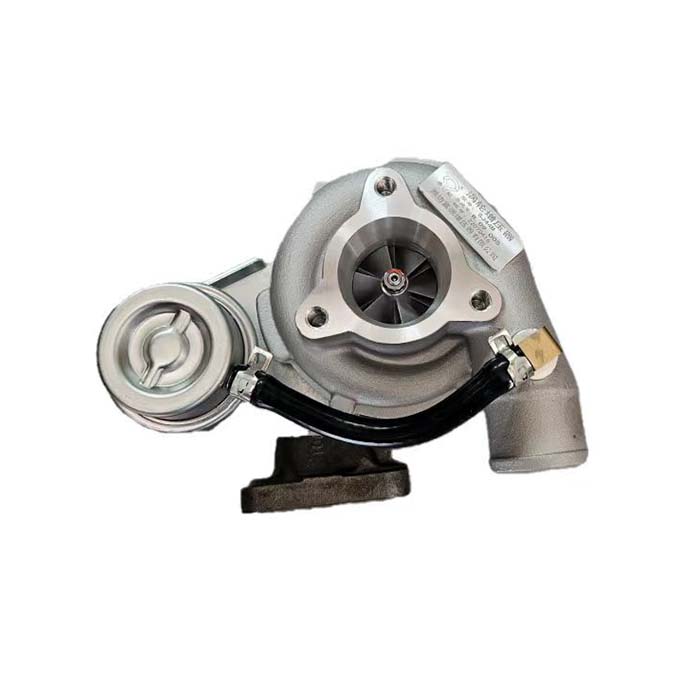
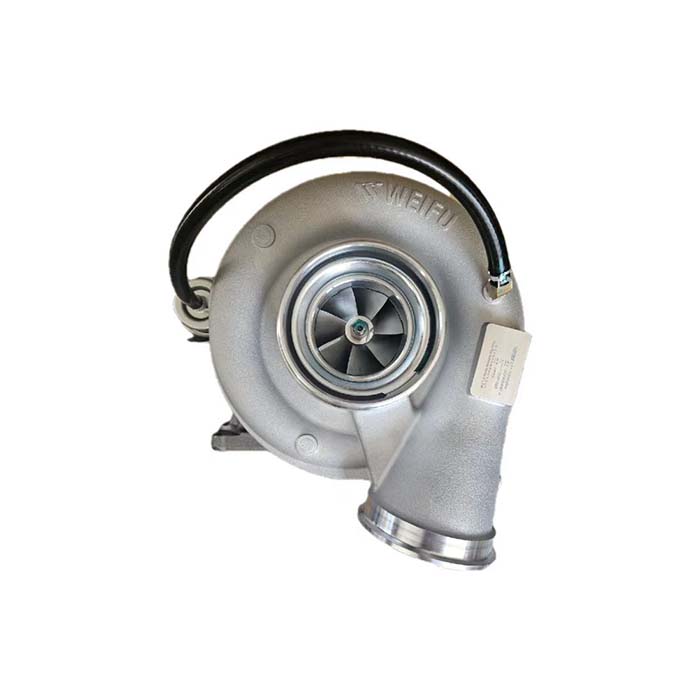
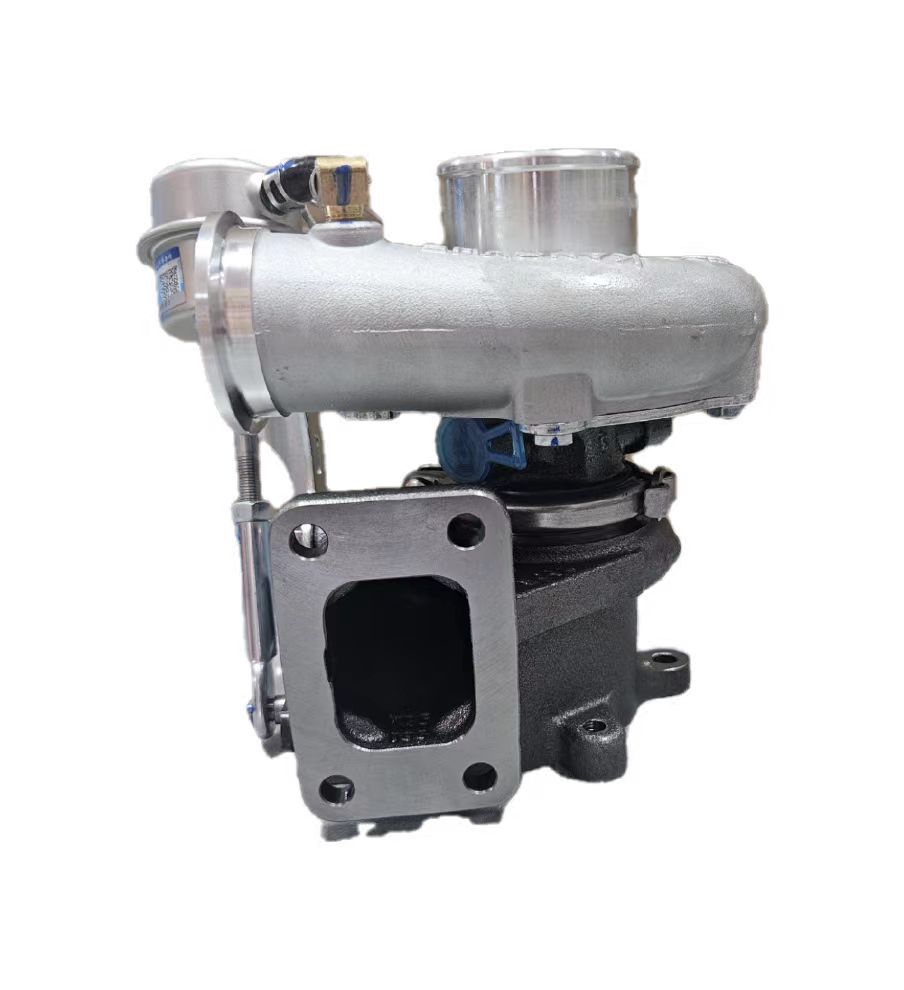
The two power types correspond to different foreign trade customer groups. There is no absolute good or bad, only suitability. Clarifying their core differences enables accurate vehicle recommendations and avoids after-sales disputes.
Naturally aspirated diesel pickups deliver stable and gentle power output with no explosive performance and weak low-torque capability, only suitable for urban short-distance distribution, flat-road light-load transportation, and low-speed in-plant operation. They suffer from obvious power weakness and extremely low operating efficiency when facing full-load climbing, high-speed overtaking, and muddy off-road conditions.
Turbocharged diesel pickups feature low-speed high torque, fast starting and acceleration, and strong performance with heavy loads. They excel in climbing, towing, and escaping complex road conditions, easily handling heavy-duty construction work, farm transportation, cross-border long-distance logistics, and outdoor off-road operations, making them the first choice for high-frequency and high-intensity commercial use.
With a simple structure and no precision high-temperature turbo parts, naturally aspirated engines have very few failure points and low requirements for engine oil, filters, and maintenance conditions, supporting extensive use. They deliver excellent durability with negligible short-term maintenance costs in remote areas, mines, and rural areas with high temperatures, heavy dust, and insufficient maintenance conditions.
Turbocharged engines are equipped with an additional turbo system, theoretically having more failure points and higher maintenance requirements. They require high-quality engine oil and regular filter replacement to prevent dust damage to turbo blades. However, mainstream turbo technologies from brands such as Chevrolet, Ford, and Isuzu are highly mature. With standard maintenance, the turbo service life matches the engine service life with no need for replacement throughout the vehicle lifespan and almost no common faults.
Many customers mistakenly believe turbocharged vehicles consume more fuel, which is the opposite of the fact. Turbochargers enable more sufficient diesel combustion and eliminate fuel waste. Under the same load and road conditions, turbocharged pickups consume 10%–20% less fuel than naturally aspirated models. For fleets with long-term high-frequency operation, the fuel cost saved over time far exceeds the vehicle purchase and maintenance cost gap, delivering higher comprehensive cost-performance. In contrast, naturally aspirated vehicles only have lower initial purchase prices but higher long-term operating costs.
During procurement, do not trust verbal introductions from sellers. Adopt practical identification methods to avoid misguidance and ensure accurate vehicle information provided to customers.
This is the most intuitive and reliable method. Open the engine hood and observe the intake pipeline: if the pipeline is connected to metal shell components marked with Garrett, BorgWarner, Holset or other brands, it is a turbocharged vehicle; if the intake pipeline is directly connected to the intake manifold without any supercharging components, it is a naturally aspirated vehicle. Note that some turbochargers are covered by heat shields, so carefully check along the pipeline to avoid misjudgment.
The engine nameplate and official configuration sheet of standard vehicles clearly mark the power type. Words such as Turbo, TCI, TD, and TDI indicate a turbocharged diesel engine; models only marked with Diesel Engine without supercharging indicators and with low torque parameters are basically naturally aspirated. Always verify parameters during procurement and quotation to avoid ambiguous offers.
Global emission regulations serve as an intuitive judgment standard. Models meeting Euro 3 / China 3 and lower emission standards still include a large number of naturally aspirated diesel pickups; new models meeting Euro 4 / China 4 and higher emission standards are almost fully equipped with turbocharging and intercooler systems with no naturally aspirated versions.
In conclusion, turbocharging is the mainstream standard configuration for modern diesel pickups but not 100% universal. Naturally aspirated diesel versions with high practicality are still retained in old inventory vehicles, low-end utility vehicles, and special modified chassis vehicles. The two types have respective advantages: turbocharged pickups feature stronger power, higher efficiency, and better long-term economy, suitable for most commercial scenarios; naturally aspirated pickups have a simple structure, excellent durability, and low maintenance thresholds, adapting to niche harsh operating environments.
For procurement merchants, the core of vehicle selection is not blindly pursuing mainstream models or low prices, but matching vehicles accurately based on usage scenarios, local regulations, and maintenance conditions. Understanding the core differences and identification methods helps avoid procurement pitfalls.